
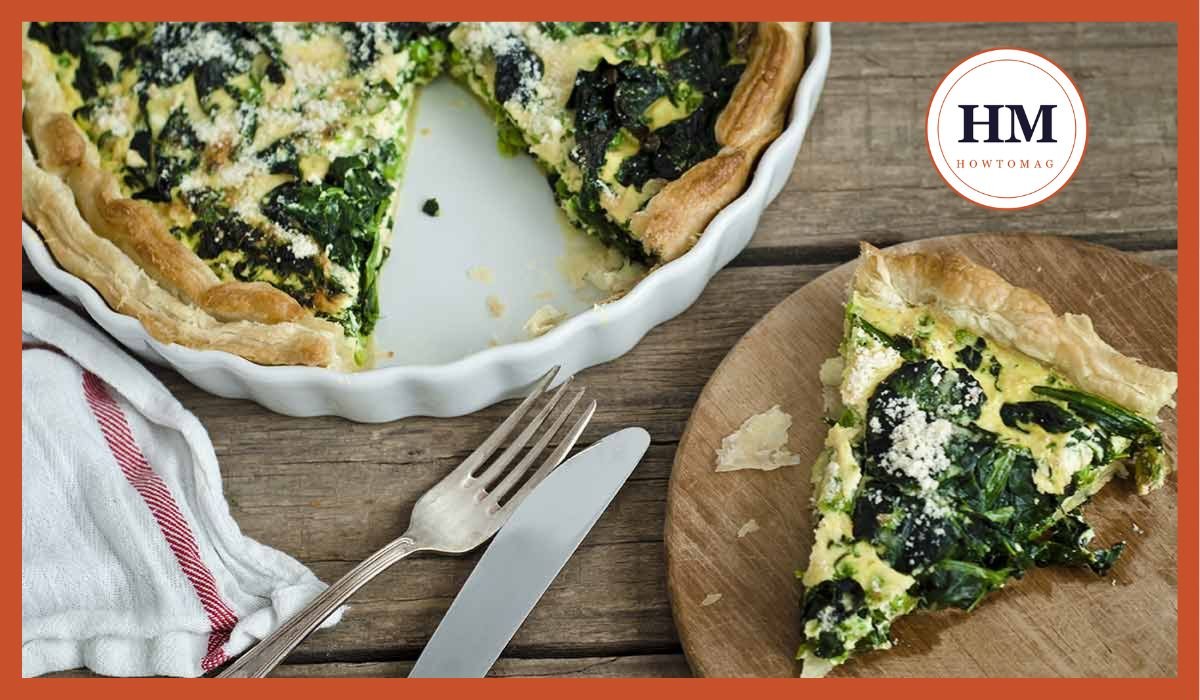
There’s something undeniably comforting about a well-made spinach pie. The golden, flaky crust. The rich, savory filling packed with wilted greens, cheese, and eggs. The way it smells when it comes fresh out of the oven. If you’ve ever searched for the best tarta de espinaca near me, you already know the craving is specific — and the satisfaction of finding a truly great one is worth every bit of the search.
Tarta de espinaca is a beloved staple of Argentine and Latin American cuisine. It sits somewhere between a quiche and a savory pie, and when made well, it achieves a harmony of textures and flavors that feels both homey and sophisticated at once. Whether you’re hunting it down at a local bakery, a Latin American restaurant, or a neighborhood rotisería, knowing what to look for makes all the difference.
This guide covers everything: the history behind this iconic dish, what separates a forgettable version from an extraordinary one, how to search smartly for the best tarta de espinaca near me, and what to do if you decide to make your own at home.
What Is Tarta de Espinaca?
Before diving into where to find the best tarta de espinaca near me, it helps to understand exactly what you’re looking for. Tarta de espinaca translates directly from Spanish as “spinach tart” or “spinach pie,” and it is one of the most classic dishes in Argentine home cooking and bakery culture.
The dish consists of a savory pastry shell — usually a shortcrust or a puff pastry base — filled with a mixture of cooked spinach, eggs, cheese (often ricotta or a local fresh cheese), onion, and seasonings. Some versions incorporate cream or béchamel for a richer texture. The filling is then baked until set, with the top developing a light golden color that signals it’s ready.
It’s important to note that tarta de espinaca is not the same as a spanakopita, though both are spinach-based savory pies. The Argentine version has its own distinct character — less herbaceous than its Greek cousin, creamier in texture, and deeply rooted in the Italian immigrant culinary tradition that shaped so much of Argentine food culture throughout the 19th and 20th centuries.
The Cultural Roots of Tarta de Espinaca
Understanding where this dish comes from adds a layer of appreciation every time you eat it. Argentina received massive waves of Italian immigration between the 1880s and the 1950s, and those communities brought their culinary traditions with them. Italian torte rustiche — rustic savory pies filled with greens and cheese — found new life in Argentine kitchens, adapted to local ingredients and tastes.
Over generations, tarta de espinaca became deeply embedded in Argentine daily food culture. You’ll find it in rotiserías (cooked food shops), panaderías (bakeries), cafeterías, and home kitchens across the country. It’s popular as a lunch option, a light dinner, a snack, or even a party food cut into small squares. The fact that it travels well — equally good warm or at room temperature — made it a practical everyday staple for families and workers alike.
When immigrants from Argentina and other Latin American countries settled in cities across North America, Europe, and beyond, they brought this tradition with them. Today, searching for the best tarta de espinaca near me is entirely possible in many major cities, especially those with established Latin American communities, Argentine restaurants, or specialty bakeries.
What Makes a Truly Great Tarta de Espinaca?
Not all spinach tarts are created equal. If you’re going to invest the time in finding the best tarta de espinaca near me, it pays to know exactly what qualities elevate a good version into a great one.
The Pastry Shell
The crust is the foundation of any tarta, and it deserves serious attention. A great tarta de espinaca shell should be crisp on the bottom — never soggy — and have enough structure to hold a slice cleanly without crumbling. Whether the recipe calls for a shortcrust (masa quebrada) or a puff pastry (hojaldre), the pastry should be properly baked through, with a light golden color and a subtle buttery flavor that complements the filling without competing with it.
A soggy base is the most common sign of a poorly made tarta. It usually means the filling was too wet, the pastry wasn’t blind-baked, or the tarta wasn’t baked long enough. When you cut a slice, the bottom should hold firmly, not collapse.
The Spinach Filling
The filling is where the soul of the dish lives. Great tarta de espinaca uses spinach that has been properly cooked down and — this is critical — thoroughly drained. Excess moisture is the enemy of a well-set filling. The spinach should be cooked until tender and wilted, then squeezed or pressed to remove as much water as possible before mixing with the other ingredients.
The seasoning matters enormously. Salt, pepper, and nutmeg are the classic trio, and nutmeg in particular has a natural affinity with both spinach and egg-based fillings. It adds warmth and depth without announcing itself loudly. Garlic and onion, when used well, provide savory backbone. Overdone, they overwhelm the delicate flavor of the greens.
The Cheese and Egg Balance
Most traditional versions of tarta de espinaca use ricotta or a similar fresh cheese (queso fresco or cottage cheese in some adaptations), combined with eggs that bind the filling and give it structure when baked. The ratio matters. Too much egg and the filling becomes rubbery; too little and it won’t set properly. Too much cheese and the filling becomes dense and heavy; the right amount creates a creamy, lightly rich texture that balances the earthiness of the spinach beautifully.
Some recipes also add grated Parmesan or a similar hard cheese for a sharper, saltier note on top. When this is done right, the surface of the tarta develops a slightly caramelized, savory crust that makes the first bite genuinely memorable.
How to Search Smartly for the Best Tarta de Espinaca Near Me
Knowing what you’re looking for is one thing; finding it is another. Here’s how to approach the search intelligently.
Start With Argentine and Latin American Restaurants
The most reliable places to find authentic tarta de espinaca are Argentine restaurants and Latin American bakeries or rotiserías. These establishments are likely to have grown up making this dish and understand the traditional recipe. Search specifically for “Argentine restaurant,” “rotisería,” or “panadería argentina” near your location, as these are the most likely sources of the real thing.
In cities with significant Argentine or South American immigrant communities — cities like Miami, New York, Los Angeles, Chicago, London, Barcelona, and Sydney, among many others — dedicated Argentine eateries are relatively common. In smaller cities or towns with less Latin American community presence, you may need to widen your search or look for broader Latin American restaurants that include Argentine dishes on their menu.
Use Specific Search Terms
When searching online, being specific helps you cut through generic results. Rather than simply searching “spinach pie near me,” try “tarta de espinaca near me,” “Argentine spinach tart near me,” or “empanadas y tartas near me” — the latter often surfaces rotiserías and Argentine bakeries that might not rank highly for more general searches. Yelp, Google Maps, and TripAdvisor all allow you to search in the original Spanish, which tends to surface more authentic results.
Reading reviews carefully is also worthwhile. Look for reviews that specifically mention the tarta de espinaca (rather than the restaurant in general), comments about the pastry quality, and any mention of whether the dish is made fresh daily or reheated. Fresh-made is always the gold standard.
Visit Latin American Grocery Stores and Delis
In many cities, Latin American grocery stores and delis are hidden gems for prepared foods. These establishments often have a hot food counter or a refrigerated case stocked with homemade tartas made by staff or supplied by local home cooks. The quality at these spots can be outstanding — often better than formal restaurants — because the food is made with everyday home-cooking care rather than for a dining-room margin.
Don’t overlook farmers markets, food festivals, or Latin American cultural events in your area. These are excellent places to discover local cooks and small businesses specializing in traditional dishes, including tarta de espinaca.
Making Tarta de Espinaca at Home: When You Can’t Find the Best Near You
Sometimes the search for the best tarta de espinaca near me comes up short. Perhaps you live somewhere without a nearby Latin American food scene, or you simply want the satisfaction of making this dish yourself. The good news is that tarta de espinaca is genuinely approachable for a home cook with basic baking experience.
The key steps are straightforward. Begin with a reliable shortcrust pastry — store-bought works perfectly well if you want to save time. Cook your spinach (fresh or frozen both work), drain it extremely thoroughly, and combine it with ricotta, eggs, sautéed onion, salt, pepper, and nutmeg. Blind-bake your pastry shell briefly before adding the filling, then bake the assembled tarta at a moderate temperature until the filling is set and the top is golden.
The most important lesson from homemade versions: don’t rush the draining step. Press the spinach in a clean kitchen towel or squeeze it in batches with your hands until it’s as dry as you can get it. That single step separates a great homemade tarta from a wet, disappointing one.
Pairing and Serving Suggestions for Tarta de Espinaca
Whether you’ve found the best tarta de espinaca near me at a local spot or made your own, knowing how to serve it well adds to the experience. Tarta de espinaca pairs beautifully with a simple green salad dressed with olive oil and lemon — the acidity of the dressing cuts through the richness of the filling and creates a balanced meal.
A light, dry white wine — something crisp and mineral, like an Argentine Torrontés or a French Sauvignon Blanc — complements the dish elegantly. For a non-alcoholic pairing, sparkling water with a squeeze of lemon or a fresh lemonade works wonderfully.
The tarta is equally good warm, at room temperature, or even slightly chilled the next day. Many people argue that it tastes better as a leftover, once the flavors have had time to meld overnight in the refrigerator.
Conclusion
There’s a reason people specifically search for the best tarta de espinaca near me rather than settling for any spinach dish that happens to be available. This is a dish with history, technique, and soul. When it’s done right — when the pastry is crisp, the filling is creamy and perfectly seasoned, and the whole thing comes to the table warm and golden — it delivers a kind of satisfaction that’s difficult to replicate.
The search is worth pursuing. Whether you find your version at an Argentine rotisería around the corner, a Latin American bakery across town, or a small deli run by someone’s grandmother who learned the recipe decades ago, the discovery of a truly great tarta de espinaca near you is one of those small, genuinely joyful finds that makes exploring your local food scene rewarding.
Go looking. Ask questions. Trust your nose when you walk past a kitchen that smells right. The best tarta de espinaca near me — and near you — might be closer than you think.
Frequently Asked Questions
What is tarta de espinaca made of?
Tarta de espinaca is made with a savory pastry shell filled with cooked spinach, eggs, ricotta or fresh cheese, sautéed onion, and seasonings like salt, pepper, and nutmeg.
Is tarta de espinaca served hot or cold?
It can be enjoyed both ways. It’s delicious warm from the oven, equally good at room temperature, and many people enjoy it cold the next day as leftovers.
Where can I find tarta de espinaca near me?
Look for Argentine restaurants, Latin American rotiserías, panaderías, or specialty delis in your city. Searching Google Maps or Yelp with the Spanish term “tarta de espinaca” often surfaces the most authentic local results.
Can I freeze tarta de espinaca?
Yes, tarta de espinaca freezes well. Allow it to cool completely, wrap tightly, and freeze for up to two months. Reheat in the oven (not the microwave) to preserve the pastry’s crispness.
Is tarta de espinaca vegetarian?
Yes, the traditional recipe is vegetarian, containing no meat. It is made entirely from pastry, spinach, eggs, and cheese, making it a satisfying meat-free meal or snack.