
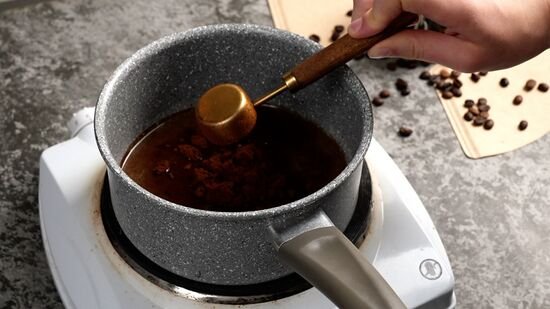
The coffee maker is sitting on the counter, completely dead. Or maybe you’re camping somewhere beautiful with no electricity in sight. Perhaps you’ve just moved into a new place and your machine is still packed in a box somewhere in the back of a rented van. Whatever the situation, the craving to make coffee has arrived — and it’s not going anywhere.
Here’s the good news: you don’t need a machine to brew a genuinely excellent cup. Long before electric drip machines existed, people were making coffee with nothing more than hot water, ground beans, and a bit of patience. Many of those methods are still used today — not just out of necessity, but because they produce a richer, more nuanced brew than many automatic machines ever achieve.
This guide covers every practical, reliable method to make coffee without a coffee maker. From simple cowboy-style stovetop brewing to the elegant pour-over technique, each approach has its own personality, its own flavor profile, and its own set of trade-offs. By the time you finish reading, you’ll have the knowledge to brew a satisfying, full-flavored cup in almost any situation — with equipment you almost certainly already have at home.
Why Brewing Coffee Without a Machine Can Actually Be Better
Before diving into methods, it’s worth pausing on something that surprises a lot of people: brewing coffee by hand often produces a better cup than automatic machines. This isn’t coffee snobbery — it’s a matter of control.
When you make coffee manually, you control every variable: water temperature, contact time, the ratio of coffee to water, and the speed of the pour. Most automatic drip machines, particularly budget models, don’t heat water to the optimal brewing temperature of around 93–96°C (200–205°F), and they rush the extraction process in ways that can leave your coffee tasting flat or bitter. Manual methods give you the ability to slow down, pay attention, and produce a cup that genuinely reflects the quality of the beans you’re using.
According to the Specialty Coffee Association, water temperature and brew time are among the most critical variables in coffee extraction. Getting those two elements right — which is entirely possible with any of the methods below — is the key to a balanced, flavorful cup.
What You’ll Need Before You Start
Regardless of which method you choose to make coffee, a few fundamentals apply across the board.
You’ll need freshly ground coffee beans if possible. Pre-ground coffee works, but whole beans ground just before brewing release significantly more aroma and flavor. A medium grind — roughly the texture of granulated sand — works well for most manual methods. You’ll also need water heated to just below boiling, around 93–96°C (200–205°F). Boiling water (100°C) can scorch the coffee and create bitterness, so if you’re heating water in a kettle or pot, let it sit for thirty seconds after it comes off the boil before you pour.
The ratio of coffee to water matters too. A standard starting point is roughly two tablespoons of ground coffee per six ounces (180ml) of water. You can adjust from there depending on how strong you prefer your brew.
The Cowboy Coffee Method: The Oldest Way to Make Coffee
Cowboy coffee — also called campfire coffee or stovetop boiled coffee — is arguably the oldest and most elemental way to make coffee in existence. It requires nothing but a pot, water, coffee grounds, and heat. Ranchers, travelers, and campers have relied on this method for centuries, and it remains one of the most satisfying ways to brew when you’re in a stripped-down situation.
How to Brew Cowboy Coffee
Start by bringing your water to a boil in a small saucepan or pot. Use roughly six ounces of water per cup you’re brewing. Once the water reaches a rolling boil, remove the pot from the heat and let it rest for about thirty seconds. This brings the temperature down to the ideal brewing range and prevents scorching.
Add your ground coffee directly to the hot water — about two tablespoons per cup — and stir gently. Let the coffee steep for four to five minutes without heat. You’ll notice the grounds begin to sink naturally as they absorb water. After steeping, gently pour the coffee into your cup, pouring slowly and carefully to leave the grounds settled at the bottom of the pot. You can also add a small splash of cold water to encourage the grounds to drop faster.
The result is a dark, rich, full-bodied brew with a rustic character that no machine can quite replicate. Some find sediment in the bottom of the cup, which is entirely normal — and part of the experience.
The Stovetop Pour-Over: Precision Brewing With Minimal Equipment
The pour-over method is beloved by specialty coffee enthusiasts worldwide, and for good reason: it gives you extraordinary control over the brewing process and consistently produces a clean, bright, nuanced cup. To make coffee using a pour-over approach without dedicated equipment, all you need is a fine mesh strainer, a mug, and hot water.
How to Brew a DIY Pour-Over
Set a fine mesh kitchen strainer over your mug — a clean tea strainer or even a small colander lined with a paper towel or thin cloth works well. Add two tablespoons of medium-ground coffee per cup directly into the strainer.
Begin pouring your hot water slowly over the grounds in a steady, circular motion, starting from the center and working outward. The key word here is slow. Pouring too quickly rushes the extraction and produces weak, underdeveloped coffee. Pour enough water to just saturate the grounds, then pause for about thirty seconds to allow the coffee to bloom — releasing gases and opening up the grounds for better extraction. Then continue pouring the rest of your water in slow, steady circles.
The entire brew time should take about three to four minutes. What ends up in your mug is clean, clear, and surprisingly refined — this is genuinely excellent coffee by any standard.
The Bag Method: Coffee Like a Tea Bag
If you’ve ever thought about how convenient it would be if coffee worked like tea, you’re not the first — and there’s a DIY solution that works surprisingly well. To make coffee using the bag method, you essentially create a single-serving coffee sachet using a coffee filter or a small square of thin cloth.
How the Coffee Bag Method Works
Place two tablespoons of ground coffee in the center of a coffee filter or a small square of cheesecloth or muslin fabric. Gather the edges up and tie the bundle closed with a piece of string or a twist tie, forming a small pouch. Lower it into your mug and pour hot water over it, just as you would when steeping tea.
Let it steep for four to five minutes, pressing the bag gently against the side of the mug with a spoon partway through to encourage extraction. Then remove the bag and discard it. What you’re left with is a clean, smooth, very drinkable cup of coffee with zero equipment required. This method is particularly convenient when you’re traveling or staying somewhere with no coffee equipment of any kind.
The Cold Brew Method: Patience Rewarded
Cold brew is one of the most forgiving and least technical ways to make coffee — it requires no heat, no equipment, and almost no effort. The trade-off is time: cold brew takes between twelve and twenty-four hours to steep. But the result is a smooth, low-acid, intensely flavored coffee concentrate that can be stored in the refrigerator for up to two weeks.
How to Make Cold Brew at Home
Combine coarsely ground coffee with cold or room-temperature water in a mason jar, pitcher, or any container with a lid. Use a ratio of one part coffee to four parts water — for example, half a cup of coffee grounds to two cups of water for a concentrate. Stir to combine, cover, and let it steep at room temperature or in the refrigerator for twelve to twenty-four hours.
Once steeping is complete, strain the mixture through a fine mesh strainer, cheesecloth, or a paper coffee filter set inside a regular kitchen strainer. The resulting concentrate can be enjoyed over ice, diluted with water or milk to taste, or used as the base for iced lattes. It’s exceptionally smooth, naturally sweet, and low in acidity compared to hot-brewed coffee — a real treat, and worth planning ahead for.
The French Press Style: Immersion Brewing at Its Best
French press brewing is one of the most popular manual methods in the world, but the principle behind it — immersion brewing, where coffee grounds steep directly in hot water — can be replicated with a simple jar or heatproof cup even if you don’t own an actual French press. To make coffee this way, all you need is a container, a spoon, and something to strain with.
Immersion Brewing Without a French Press
Add two tablespoons of coarsely ground coffee per cup to a heatproof jar or mug. Pour hot water (around 93–96°C) over the grounds, filling the container. Stir once to ensure all the grounds are saturated, then place a plate or saucer on top of the container to trap heat and let it steep for four minutes.
After four minutes, most of the grounds will have settled to the bottom. Carefully pour the coffee through a fine mesh strainer into your drinking cup, leaving the grounds behind. The resulting brew is full-bodied, rich, and slightly more textured than pour-over coffee — which is exactly what French press fans love about it.
The Moka Pot: Stovetop Espresso That Punches Above Its Weight
If you have a Moka pot — that iconic octagonal stovetop brewer invented in Italy in 1933 — you already have one of the finest ways to make coffee without an electric machine. Moka pots use steam pressure generated on the stovetop to push hot water up through finely ground coffee, producing a deeply concentrated, espresso-adjacent brew with extraordinary body and depth.
Fill the lower chamber of the Moka pot with cold water up to just below the pressure valve. Fill the filter basket with finely ground coffee, level it off without tamping, and screw the top chamber on firmly. Place it on the stovetop over medium-low heat and wait. Within a few minutes you’ll hear a gurgling sound as coffee begins filling the top chamber. Remove from heat as soon as the gurgling turns to a sputtering sound — that signals the water is nearly exhausted and the coffee is ready.
The result is intense, bold, and rich. Moka pot coffee is not technically espresso, but it’s the closest thing to it without a dedicated espresso machine, and it’s a deeply satisfying way to start the morning.
Choosing the Right Method for Your Situation
Each of these approaches to making coffee without a machine serves a different context. If you’re camping or dealing with a power outage, cowboy coffee or the bag method will serve you best — they demand almost nothing in terms of equipment. If you’re at home and simply without a machine, the pour-over approach or French press-style immersion brewing will give you café-quality results with tools you almost certainly have in your kitchen already.
Cold brew is the method to reach for when you have the luxury of planning ahead and want something smooth and refreshing. The Moka pot is ideal for anyone who wants an espresso-strength brew using stovetop heat.
The key insight, regardless of method, is this: learning to make coffee by hand gives you a level of control and understanding of the brewing process that using an automatic machine rarely teaches. Once you’ve brewed a great cup manually, you’ll look at your morning coffee in an entirely new way.
Tips for Getting the Best Results Every Time
Water quality matters more than most people realize. If your tap water tastes off — chlorinated, metallic, or flat — it will show up in your coffee. Filtered water makes a noticeable difference in flavor, particularly in lighter-roast coffees where subtlety is part of the appeal.
Grind size is another variable worth paying attention to. Coarser grinds work best for immersion methods like cowboy coffee, cold brew, and French press-style brewing, because longer contact time requires larger particles to prevent over-extraction. Finer grinds suit pour-over and Moka pot methods, where water passes through the grounds more quickly.
Freshness is, ultimately, the most important factor of all. Whether you’re using a machine or brewing by hand, fresh beans — ideally ground within a few days of use — will always produce a noticeably better cup than pre-ground coffee that’s been sitting in a pantry for weeks.
Conclusion: You Don’t Need a Machine to Make Coffee Worth Drinking
The pursuit of a great cup of coffee has never been about the equipment. Long before electric drip machines and espresso makers existed, people knew how to make coffee that was warming, energizing, and genuinely delicious — using nothing but water, fire, and the remarkable coffee bean itself.
Whether you find yourself without a machine by accident or by choice, every method in this guide will get you to a cup that satisfies. The cowboy method delivers bold rusticity. The pour-over produces clarity and brightness. Cold brew gives you smoothness and convenience. The Moka pot offers intensity and depth. And the bag method asks almost nothing of you at all.
The ability to make coffee without relying on any particular appliance is, in a quiet way, a kind of freedom. Pick the method that fits your moment, pay attention to your water temperature and brew time, and you may find yourself enjoying some of the best coffee you’ve ever tasted — made by your own hands, with nothing but a pot and some patience.
Frequently Asked Questions
Can I make coffee without a coffee maker and without special equipment?
Yes, absolutely. The simplest method is cowboy coffee: bring water to near-boiling in a saucepan, add ground coffee directly, steep for four to five minutes, and pour carefully into your cup, leaving the grounds behind. All you need is a pot, water, and ground coffee. You can also use the bag method, which involves wrapping grounds in a coffee filter tied with string and steeping it in hot water like a tea bag — no equipment required at all.
What is the best ratio of coffee to water when brewing without a machine?
A reliable starting point is two tablespoons of ground coffee for every six ounces (about 180ml) of water. This produces a medium-strength brew. If you prefer stronger coffee, increase to two and a half tablespoons per six ounces. For cold brew, use a 1:4 ratio of coffee to water (by volume) to produce a concentrate, which you then dilute before drinking.
What water temperature should I use to make coffee without a machine?
The ideal water temperature for brewing coffee is between 93°C and 96°C (200°F to 205°F). This is just below boiling point. If you’re heating water in a kettle or saucepan, bring it to a full boil, then remove it from the heat and wait thirty seconds before brewing. Using water that’s too hot (100°C) can scorch the grounds and create bitter, harsh flavors.
How long should coffee steep when brewing manually?
For most hot-brew methods — cowboy coffee, immersion brewing, and the bag method — four to five minutes is the sweet spot. Pour-over brewing takes three to four minutes total, with a thirty-second bloom pause at the start. Cold brew requires significantly more time: twelve to twenty-four hours of steeping at room temperature or in the refrigerator. Longer steep times generally produce stronger, more concentrated coffee.
Can I make good coffee with instant coffee if I have no other option?
Instant coffee is technically not “brewed” in the traditional sense — it’s made from pre-brewed, dehydrated coffee that dissolves in hot water. While it won’t match the depth or freshness of properly brewed ground coffee, quality instant coffee brands have improved significantly in recent years. For a noticeably better instant coffee experience, use water heated to around 90°C rather than fully boiling water, and consider adding a small pinch of salt, which can round out bitterness.