
Introduction: The Dish That Has Andalusia Written All Over It
Some foods are tied so completely to a place that tasting them feels like traveling. Cazon en adobo is one of those dishes. Born in the sun-soaked coastal towns of Andalusia in southern Spain, this marinated and fried dogfish has been a staple of Spanish street food culture for generations — and right now, food lovers everywhere are searching for the best cazon en adobo near me, eager to experience its bold, tangy, deeply satisfying flavor for themselves.
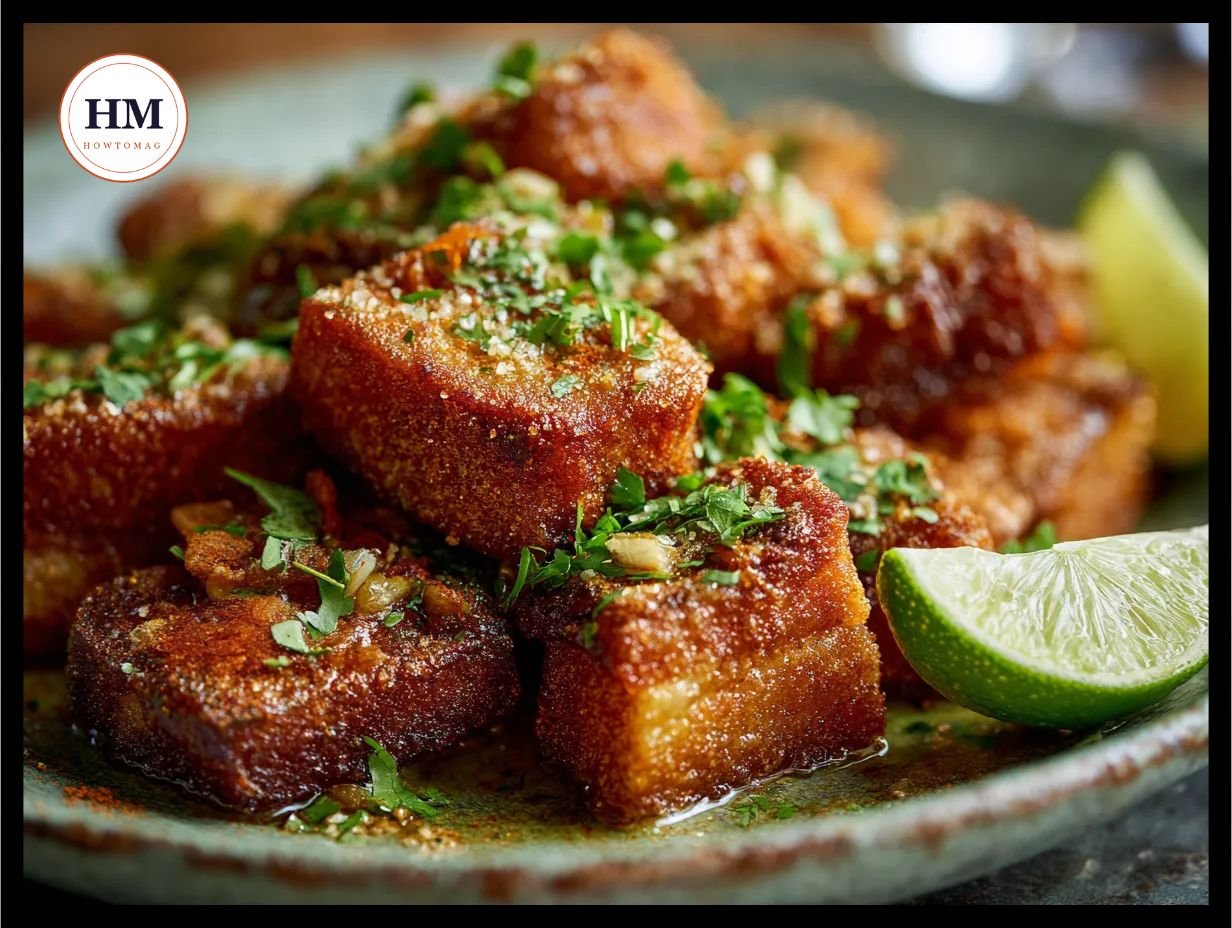
The dish is deceptively simple in concept but endlessly rewarding when executed with care. Chunks of firm dogfish shark are submerged in a vibrant marinade of vinegar, garlic, cumin, oregano, and pimentón, left to soak until the spices penetrate every fiber of the flesh, then coated lightly in flour and fried to crispy, golden perfection. The result is something that manages to be simultaneously bright and earthy, crispy and moist, humble and extraordinary.
If you have been on the hunt for the best cazon en adobo near me and are not entirely sure what to look for or where to start, this guide is built precisely for you. We will walk through the history of the dish, what separates a truly great version from a disappointment, how to find an authentic plate in your city, and what to expect when you finally sit down to eat it.
What Is Cazon en Adobo and Where Does It Come From?
To truly appreciate cazon en adobo, you need to understand its roots. The dish belongs to the proud tradition of pescaíto frito — Andalusian fried fish — which has been a defining feature of coastal Spanish culture since at least the 18th century. Cádiz, Málaga, Jerez de la Frontera, and Seville are all cities that lay claim to versions of this iconic preparation, and the fierce local pride attached to each recipe tells you just how deeply the dish is embedded in the regional identity.
The word “cazón” refers to the small shark species known in English as dogfish, most commonly the smooth dogfish or similar varieties found in the waters of the Atlantic coast and Mediterranean. It is a lean, firm white fish with a mild flavor that makes it ideal for marinating — the flesh absorbs the adobo beautifully without becoming mushy or losing its structural integrity during frying.
The “adobo” — the marinade — is where the magic lives. Originating from the Spanish tradition of preserving fish before refrigeration was available, the acidic vinegar base not only adds flavor but also acts as a natural tenderizer and preservative. According to culinary historians, adobo-style preparations have been documented in Spanish cookbooks as far back as the 15th century, making cazon en adobo one of the oldest surviving dishes in the Iberian gastronomic canon.
Today the dish is recognized as part of Spain’s rich intangible culinary heritage and is celebrated in food guides, cooking schools, and tapas bars from Seville to New York.
The Anatomy of a Perfect Cazon en Adobo
The Fish Must Be Fresh and Correctly Cut
The quality of cazon en adobo begins long before the marinade is mixed. The dogfish needs to be impeccably fresh — firm to the touch, with no ammonia smell, and a clean, oceanic scent. The fish is typically cut into cubes or rectangular chunks, roughly bite-sized, which allows the marinade to penetrate fully while still leaving enough mass to remain juicy after frying.
In many cities outside of Spain, sourcing true cazón can be a challenge. Quality Spanish restaurants that serve the best cazon en adobo near me will often work with specialty seafood suppliers to import or source the right variety. Some chefs successfully substitute other firm, mild white fish — such as dogfish shark available locally — while preserving the spirit and technique of the original dish.
The Adobo Marinade: Every Ingredient Earns Its Place
A proper adobo for this dish is a study in balance. White wine vinegar provides the acidic backbone. Garlic — generous amounts of it, either minced or lightly crushed — adds pungent depth. Cumin brings an earthy warmth that is distinctly Moorish in character, a reminder of the profound influence of North African culture on Andalusian cooking. Dried oregano adds a herbal brightness, and pimentón — Spanish smoked paprika — contributes both color and a subtle smoky sweetness.
The fish should marinate for a minimum of four hours, though overnight is ideal. Less time and the flavor stays only on the surface; the right amount of time and the spices become inseparable from the flesh itself. When you find the best cazon en adobo near me, you will immediately recognize a well-marinated piece: the flavor is present all the way through, not just on the exterior.
The Fry: Where Technique Becomes Everything
After marinating, the fish pieces are dredged lightly in flour — traditionally a coarser Spanish wheat flour, sometimes mixed with a touch of chickpea flour for extra crispness — and fried in very hot olive oil. The crust should be pale golden, delicately thin, and audibly crispy. It should shatter gently when you bite through it, giving way to the moist, intensely flavored fish beneath.
Over-breading is the most common mistake found in lesser versions of cazon en adobo. A thick, heavy coating mutes the flavor of the marinade and turns the dish stodgy. The best versions treat the flour coating as a gossamer shell — present enough to protect the fish during frying and to add texture, but never dominant enough to overshadow the star of the show.
How to Find the Best Cazon en Adobo Near Me
Look for Andalusian or Southern Spanish Restaurants Specifically
Generic “Spanish food” establishments that serve a broad, tourist-friendly menu are rarely your best bet when hunting for the best cazon en adobo near me. This dish is deeply regional, and restaurants that specialize in Andalusian cooking — from the south of Spain — are far more likely to prepare it with the knowledge, ingredients, and respect it deserves.
When browsing restaurant platforms like Google Maps or TripAdvisor, look specifically for words like “Andalusian,” “tapas de Cádiz,” “cocina del sur,” or “pescaíto frito” in the restaurant description. These are strong signals that you are in the right territory for an authentic plate of cazon en adobo.
Read Dish-Specific Reviews, Not Just Overall Ratings
A restaurant can have four and a half stars overall and still produce a mediocre cazon en adobo. When searching for the best cazon en adobo near me, take the time to read reviews that mention the dish by name. Food-specific comments about the quality of the marinade, the freshness of the fish, and the crispiness of the fry will tell you far more than a star rating ever could.
Instagram and food-focused platforms like Eater or local food blogs are also excellent resources. Searching for the dish’s name with a location tag on Instagram will surface real photographs from diners — and a properly made cazon en adobo has a very distinctive appearance that is hard to fake in a photograph.
Ask the Staff Directly
This might be the most underrated research method available to any serious food seeker. When you call a Spanish restaurant to ask about reservations, simply ask whether cazon en adobo is on the menu and how long they marinate the fish. A kitchen that takes pride in the dish will answer with enthusiasm and detail. A kitchen that scrambles to answer or is vague about the preparation is one that may be treating the dish as an afterthought.
Explore Spanish Delis, Tapas Bars, and Pop-Ups
The best cazon en adobo near me is not always found in a sit-down restaurant. Spanish delicatessens, tapas bars with rotating menus, and Spanish food pop-ups at weekend markets are all potential sources of outstanding versions of the dish. Community events organized by Spanish cultural associations in your city are particularly worth watching — home cooks and community chefs at these gatherings often produce the most emotionally authentic versions of traditional dishes.
The Cultural Experience of Eating Cazon en Adobo
It Is Street Food at Its Finest
In Cádiz and Seville, cazon en adobo is most naturally consumed standing at a bar, wrapped in paper, washed down with a cold glass of manzanilla sherry or ice-cold Spanish beer. The informality is intentional. This is food designed for sharing, for conversation, for the kind of easy pleasure that does not require ceremony or a reservation.
When you find a restaurant or bar that serves the best cazon en adobo near me in this spirit — relaxed, generous, unpretentious — you have found something genuinely close to the authentic experience.
What to Order Alongside It
Cazon en adobo rarely appears alone in its homeland. It is part of a broader spread of fried fish and tapas. A classic accompaniment is a wedge of fresh lemon — its brightness cutting through the richness of the fry — and a small dish of alioli or a mild salsa verde. In Spain, a cold Fino sherry or a crisp Manzanilla is the traditional pairing, though a chilled glass of Albarino or a light lager works beautifully as well.
If the menu includes other Andalusian fried fish — boquerones, chopitos, puntillitas — ordering them alongside the cazon en adobo turns a single dish into a full exploration of one of Spain’s greatest culinary traditions.
Why Cazon en Adobo Is Worth Every Effort to Find
In a world of elaborate tasting menus and chef-driven concepts, there is something profoundly refreshing about a dish this honest. Cazon en adobo does not try to impress you with technique for its own sake. It does not arrive with foams, gels, or architectural garnishes. It arrives hot, crispy, fragrant with spice and vinegar, and it asks only that you pay attention to how good simple things can be when they are made with quality ingredients and genuine care.
The growing global appetite for regional Spanish food means that access to authentic cazon en adobo has never been better. Chefs trained in Andalusian kitchens are opening restaurants in cities across North America, Europe, and beyond, bringing this coastal classic with them. Finding the best cazon en adobo near me today is a far more realistic prospect than it was even a decade ago.
Conclusion: Go Find the Best Cazon en Adobo Near Me Today
Cazon en adobo is a dish that rewards curiosity. It rewards the effort of seeking out a proper Andalusian restaurant, asking the right questions, and giving yourself over to a food culture that has been perfecting this recipe for centuries. The flavors — bold, tangy, smoky, crispy — are unlike anything else in the world of fried fish, and once you have tasted cazon en adobo done properly, ordinary fried fish will never quite satisfy in the same way again.
Use this guide as your starting point. Search thoughtfully, read reviews carefully, trust your nose when you walk through the door, and hold out for the real thing. The best cazon en adobo near me is waiting for you, and the discovery is absolutely worth the journey.
Frequently Asked Questions About Cazon en Adobo
Q1: What type of fish is used in cazon en adobo?
Cazón refers to dogfish shark, specifically small shark species such as the smooth dogfish or similar varieties common to the Atlantic and Mediterranean waters around Spain. It is a firm, lean, mild white fish that holds up exceptionally well to marinating and frying. In markets outside of Spain, some chefs substitute locally available dogfish or other firm white-fleshed fish to recreate the dish faithfully.
Q2: How long should cazon en adobo be marinated?
For genuinely authentic flavor, the fish should marinate for a minimum of four to six hours, though many traditional cooks marinate it overnight — up to twelve hours. This extended time allows the vinegar, garlic, cumin, oregano, and pimentón to fully penetrate the flesh rather than simply coating the surface. Shorter marinating times produce a noticeably less flavorful result.
Q3: Is cazon en adobo spicy or hot?
Traditional cazon en adobo is not spicy in the sense of being chili-hot. The dominant flavor notes are tangy from the vinegar, earthy from the cumin and pimentón, and herbal from the oregano and garlic. The pimentón used is typically sweet or smoked rather than hot. That said, individual restaurants may add a touch of cayenne or hot paprika to their marinade, so it is always worth asking if heat sensitivity is a concern.
Q4: What is the best drink pairing for cazon en adobo?
The most authentic pairing is a cold glass of Manzanilla or Fino sherry — bone-dry, briny Spanish sherries from the region where the dish was born. The saline, yeasty qualities of these wines complement the acidic marinade and the richness of the fry beautifully. If sherry is not your preference, a crisp Albarino, a light Spanish lager, or even a sparkling water with lemon work very well.
Q5: How do I know if a restaurant’s cazon en adobo is authentic?
Look for three key indicators. First, the fish should be cut into sizeable chunks rather than thin strips, indicating proper marinating time was allowed. Second, the crust should be thin, delicate, and pale golden — not thick or heavily battered. Third, the flavor should be present all the way through the fish, not just on the outside. If the piece tastes mostly of batter or has a bland interior, the fish was either not marinated long enough or the adobo was under-seasoned.