
Introduction
There are few things in the world of food as immediately, almost unreasonably satisfying as a round of provoleta arriving at your table — golden and crackling on the outside, molten and fragrant within, with a scent of woodsmoke curling into the air above it. If you have never experienced it, you are in for one of the most joyful culinary surprises of your life. If you already know and love it, you understand completely why people search endlessly for the best provoleta near them.
Provoleta is a grilled or flame-cooked Argentine cheese dish that has gone from the asados (traditional barbecues) of the Argentine pampas to restaurant menus across the globe. Born from the Italian immigrant tradition that profoundly shaped South American cuisine, this dish takes a thick round of semi-hard provolone-style cheese and transforms it through fire into something extraordinary. It is simultaneously an appetizer, a centerpiece, and a conversation starter.
This guide is for food lovers, curious diners, and dedicated cheese enthusiasts who want to understand provoleta deeply — its origins, what makes a great version, how it is traditionally prepared, and exactly what to look for when you are seeking the best provoleta near you. Whether you are heading to an Argentine steakhouse tonight or dreaming of recreating it at home, everything you need is right here.
The Origins of Provoleta: An Argentine Classic Born from Italian Roots
To understand provoleta, you need to understand a little Argentine history. Between the mid-1800s and early 1900s, millions of Italian immigrants arrived in Argentina, particularly in Buenos Aires and the surrounding provinces. They brought with them not just their language and culture, but their profound relationship with cheese — including provolone, the stretched-curd, sharp aged cheese from Southern Italy.
Argentina’s cattle-ranching culture and legendary grilling tradition had already given birth to the asado — a social ritual built around fire, beef, and community. The Italian immigrants adapted their beloved provolone to this context, creating a cheese specifically designed to be grilled. The result was provoleta: a semi-hard, slightly drier, more robust version of provolone that could hold its shape over intense heat long enough to develop a caramelized crust, yet become irresistibly gooey inside.
The man widely credited with commercializing and popularizing provoleta is Augusto Zuchi, an Italian-Argentine cheesemaker who developed and patented a recipe for the grillable cheese in the 1940s. His version became the gold standard in Argentine households and restaurants, and the tradition of serving provoleta as the first course of an asado — before the beef, before everything else — has remained essentially unchanged ever since.
Today, provoleta is as Argentine as mate or dulce de leche. It is a point of national culinary pride, and when you seek out the best provoleta near you, you are participating in a food tradition more than a century deep.
What Exactly Is Provoleta? Understanding the Cheese
People sometimes confuse provoleta with standard Italian provolone, and while the relationship is real, the two cheeses behave very differently. Provoleta is made using the same basic pasta filata (stretched curd) technique as provolone, but it is specifically engineered for high-heat cooking.
The cheese is typically formed into thick rounds — usually about 10 to 14 centimeters in diameter and 2 to 3 centimeters thick — that are aged just long enough to develop a slightly firm rind and a robust, tangy flavor, but not so long that they lose the interior moisture needed to melt beautifully. The fat content and moisture balance are carefully calibrated so that the cheese softens and becomes creamy when heated, rather than simply melting into a puddle or turning rubbery.
A well-made provoleta has a flavor profile that sits somewhere between sharp and nutty, with a milky richness and a gentle tang. When grilled, the Maillard reaction transforms the outer surface into a golden-brown crust with deep, savory, slightly smoky notes that contrast beautifully with the lush, yielding interior.
Authentic provoleta is almost always seasoned before or after grilling — typically with dried oregano and a drizzle of extra virgin olive oil, sometimes with crushed red pepper flakes for a gentle heat. These simple additions are not garnish; they are an essential part of the flavor story.
How Provoleta Is Traditionally Cooked
The cooking method is central to what makes provoleta so special. In a traditional Argentine asado, provoleta is placed directly on the parrilla — the iron grill grate — over wood or charcoal embers. The heat must be moderate and steady: intense enough to form the crust quickly, but not so fierce that the exterior burns before the interior softens.
A skilled asador (grill master) watches the cheese carefully. As it heats, the edges begin to sag slightly, and the bottom takes on color. After several minutes, the round is carefully flipped — a moment of real skill, since a poorly timed flip can cause the cheese to collapse — and the second side is given a shorter cook to finish the process.
At the table, the provoleta is typically eaten by scooping the soft interior onto crusty bread or sliced alongside it, dragging through the caramelized edges and mopping up the fragrant oil and herbs that pool around it. It is a communal, unhurried pleasure.
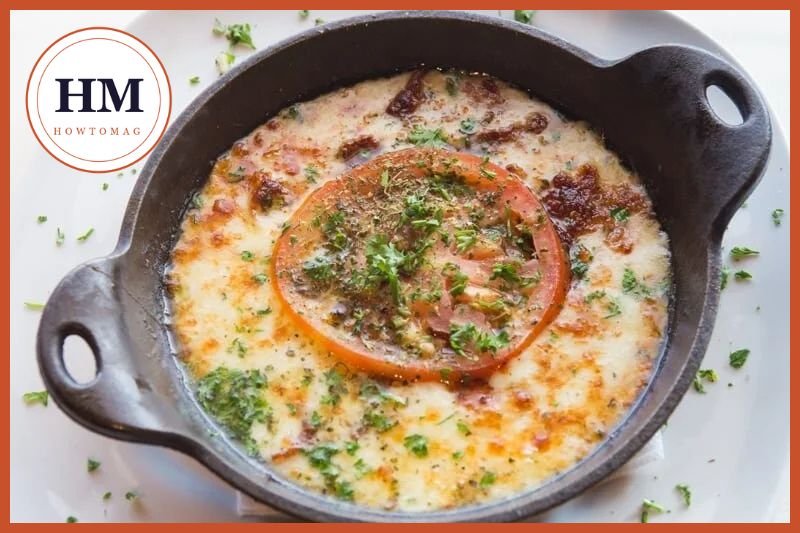
In modern restaurants, you will also encounter provoleta cooked in a small cast iron pan or skillet placed directly over flame, which makes the flip unnecessary and results in a slightly creamier, less crusted version. Both approaches are legitimate, and each has devoted fans.
What Makes a Great Provoleta? Knowing What to Look For
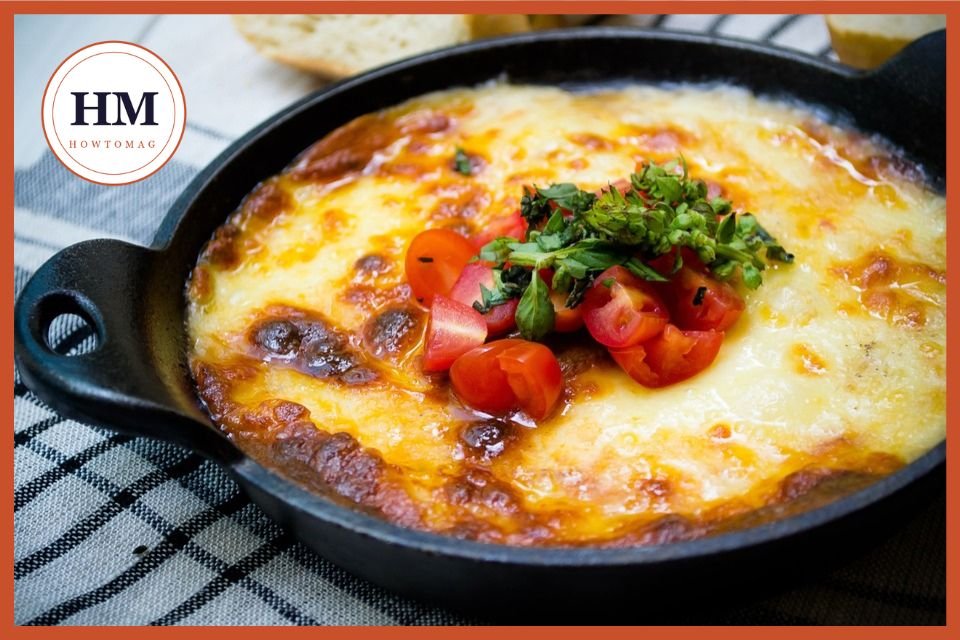
When you are searching for the best provoleta near you, knowing what separates a transcendent version from a mediocre one makes all the difference. Here is what distinguishes a truly great provoleta experience.
The Cheese Quality Matters Above Everything
The foundation of great provoleta is the cheese itself. Authentic Argentine provoleta uses milk from the Pampas region, known for its rich, grassy flavor. In restaurants outside Argentina, the best establishments import genuine Argentine provoleta or source from cheesemakers who produce authentic versions. Substituting with standard Italian provolone or, worse, a generic semi-hard cheese produces a dish that looks similar but tastes noticeably flat.
When the cheese arrives at your table, the crust should be an even golden-amber, not pale and rubbery or scorched and bitter. The interior should yield immediately to light pressure, oozing slightly but not completely liquid. The aroma should be warm, savory, and milky — inviting rather than overwhelming.
The Seasoning Should Be Simple and Honest
One hallmark of great provoleta is restraint in seasoning. Dried oregano and olive oil are traditional for a reason: they complement the cheese without competing with it. Some excellent versions add a thin smear of chimichurri — the vibrant Argentine herb sauce — alongside the cheese on the plate, allowing diners to add it as they like. Overly elaborate toppings, fancy additions, or aggressive seasoning are usually signs that a restaurant is trying to compensate for inferior cheese.
The Bread Is Not an Afterthought
The best provoleta is served with genuinely good bread — crusty enough to provide contrast, soft enough to tear easily and soak up the juices. In Argentine tradition, this is often a simple white baguette-style roll called a marraqueta or a slice of pan casero (homemade-style bread). A restaurant that serves provoleta with stale, pre-sliced sandwich bread is telling you something about their standards.
Timing and Temperature
Provoleta must be eaten immediately. It is not a dish that waits. A great restaurant will time the cooking so the cheese arrives at the table bubbling and immediate. If you receive a provoleta that has been sitting on a pass for five minutes, it will have begun to firm back up, losing the lush, yielding quality that makes it extraordinary. The best places in the world treat provoleta as urgently as they treat a perfect soufflé.
Finding the Best Provoleta Near You: Where to Look and What to Ask
The search for great provoleta is really a search for authentic Argentine cuisine, since provoleta is almost never done justice outside of restaurants that take the asado tradition seriously.
Argentine Steakhouses and Parrillas
The most reliable place to find excellent provoleta is at a dedicated Argentine steakhouse or parrilla. These restaurants are built around the culture of the grill, and provoleta is typically a signature starter. Look for places that use wood or charcoal (rather than gas grills), as the smoky flavor compounds from real fire make a meaningful difference to the final dish.
When browsing menus online before visiting, check whether provoleta is listed under starters or appetizers. Its presence on the menu is generally a good sign that the kitchen understands Argentine food at a meaningful level.
Checking Reviews for Specificity
When reading reviews, specificity is your friend. A review that says “the provoleta was incredible” tells you less than one that says “the provoleta came out perfectly charred, still bubbling, with plenty of oregano and a beautiful pool of olive oil.” Look for reviewers who clearly know what provoleta should be — their descriptions will tell you whether a restaurant is hitting the mark.
Asking the Right Questions
If you are visiting a new Argentine restaurant, it is perfectly reasonable to ask your server where the restaurant sources its provoleta. A knowledgeable answer — mentioning specific Argentine importers, local artisan producers, or the restaurant’s own curing process — is a strong signal. Hesitation or a vague response suggests the kitchen may not be thinking carefully about the ingredient.
Making Provoleta at Home: A Beginner’s Overview
While this guide is focused on helping you find the best provoleta near you at restaurants, it is worth knowing that provoleta is also achievable at home — and doing so once deepens your appreciation for what great restaurants accomplish.
You will need authentic Argentine provoleta cheese, available at specialty food stores, South American grocery shops, or online retailers who import from Argentina. A cast iron pan or a very hot grill works well at home. Season the round generously with dried oregano and a thread of good olive oil, cook over medium-high heat until the crust forms (about 4 to 5 minutes per side on a grill), and serve immediately with crusty bread.
The experience of making provoleta yourself — watching the transformation happen in real time, smelling the cheese begin to caramelize — gives you a completely new lens for evaluating what you eat when you dine out. You understand what effort and care look like, and you recognize them when you encounter them.
The Culture Around Provoleta: More Than Just a Dish
In Argentina, provoleta is never just food. It is a social marker, a ritual, a statement about how seriously a host or a restaurant takes the act of welcoming guests. To serve provoleta at the start of an asado is to say: we are doing this properly. We are taking the time. We honor the tradition.
This cultural weight is part of what makes finding truly great provoleta so satisfying. You are not just eating a good appetizer; you are connecting with a living food tradition that links Italian immigrant history, Argentine ranching culture, and the universal human love of fire and cheese. That is a lot to hold in one golden, molten round — but provoleta manages it effortlessly.
Conclusion
Provoleta is one of those dishes that, once you have had a truly great version, permanently recalibrates your standards. You will find yourself reading restaurant menus differently, asking questions of servers you never thought to ask before, and developing real opinions about what separates a memorable provoleta from a forgettable one.
The search for the best provoleta near you is genuinely worth pursuing. It leads you to restaurants that take food seriously, to communities of food lovers who share your enthusiasm, and — if you are lucky — to that perfect moment when a crackling, golden round arrives at your table, still sizzling, fragrant with oregano and olive oil, and you take the first piece with a torn hunk of good bread and understand exactly why this simple dish has endured for generations.
Keep exploring. Keep asking questions. Keep finding provoleta worth remembering.
Frequently Asked Questions
Q1: What is provoleta, and how is it different from regular provolone cheese?
Provoleta is an Argentine grilled cheese dish made from a specially formulated semi-hard cheese that is a cousin of Italian provolone. While both use the pasta filata (stretched curd) method, provoleta is engineered specifically for high-heat cooking — it is drier, more structured, and has a fat-to-moisture ratio designed to form a golden crust while melting beautifully inside. Standard Italian provolone is not a reliable substitute; it often either melts too fast or turns rubbery on the grill.
Q2: Is provoleta served as an appetizer or a main course?
In Argentine tradition, provoleta is always served as a starter — specifically as the first course of an asado, arriving before the grilled meats. It is intended to be shared communally, eaten with bread, and enjoyed slowly while the main grill is being prepared. In restaurants outside Argentina, it often appears on appetizer menus and is ideal for sharing between two to four people.
Q3: What are the classic toppings or accompaniments for provoleta?
The most traditional accompaniments are dried oregano and extra virgin olive oil, which are either applied before cooking or drizzled on immediately after. Crushed red pepper flakes are a common addition for gentle heat. Many Argentine restaurants also serve chimichurri — the bright herb sauce made from parsley, garlic, vinegar, and olive oil — alongside the cheese. The best versions keep the additions simple to let the cheese flavor lead.
Q4: Can I make provoleta at home without a traditional Argentine grill?
Yes, absolutely. A well-seasoned cast iron skillet over high heat on a stovetop produces excellent provoleta. Heat the pan until very hot, place the cheese round in without any oil (the cheese provides its own fat), and cook without moving it for 4 to 5 minutes until a deep golden crust forms underneath. Carefully flip and cook the second side for 2 to 3 minutes. Serve immediately in the hot pan. The key is sourcing authentic provoleta cheese from a specialty supplier rather than substituting standard provolone.
Q5: How do I know if a restaurant serves genuinely good provoleta?
Look for restaurants that specialize in Argentine cuisine and take their grill tradition seriously — places that use real wood or charcoal, have an extensive selection of Argentine cuts, and treat the asado as a cultural practice rather than just a menu category. Read detailed reviews that describe the texture and presentation specifically. When you arrive, note whether the provoleta comes to the table immediately and still sizzling. Quality cheese, proper heat, honest seasoning, and perfect timing are the four pillars of a great provoleta — and when all four come together, you will know it instantly.