
Introduction
If you have ever wandered through the bustling streets of Buenos Aires or sat down at a homey Argentine kitchen table, chances are you have encountered the comforting aroma of tarta de choclo baking in the oven. This golden, savory corn pie is one of the most beloved dishes in South American cuisine — humble in its ingredients yet extraordinary in its depth of flavor.
Tarta de choclo, which translates simply as “corn tart” or “corn pie,” is a dish that bridges the gap between everyday home cooking and festive family gatherings. Its creamy corn filling, wrapped in a buttery pastry shell, has a way of making people feel immediately at home. Whether you are a longtime fan of Latin American food or a curious newcomer, this dish is one that genuinely rewards your attention.
In this guide, we are going to explore everything you need to know — from the history and cultural roots of tarta de choclo, to the ingredients that make it special, regional variations, and tips for finding the best version near you. Think of this as your definitive companion to one of South America’s most comforting culinary traditions.
What Is Tarta de Choclo? Understanding the Basics
At its core, tarta de choclo is a savory tart made with fresh or canned corn as its primary filling. The word choclo comes from the Quechua word choccllo, which was used by indigenous Andean communities long before Spanish colonization to describe tender, fresh corn on the cob. This linguistic heritage points to the deep pre-Columbian roots of corn-based cooking across the entire South American continent.
The dish itself is most popular in Argentina, Uruguay, Bolivia, and Chile, though each country puts its own unique spin on the recipe. In Argentina in particular, tarta de choclo is a weekday staple — the kind of dish that Argentine mothers and grandmothers have been making for generations, adapting the recipe to whatever is available in the pantry.
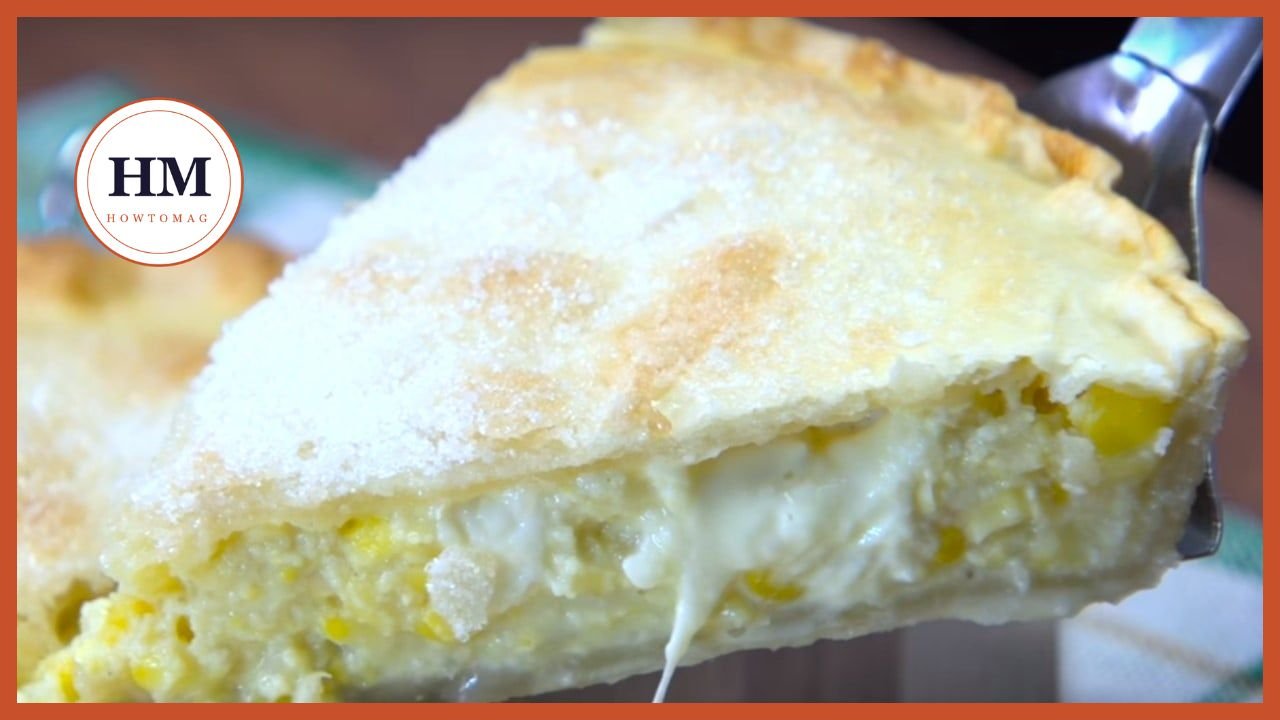
The filling typically combines corn kernels with eggs, cream or milk, cheese (often mozzarella or a local soft cheese), and seasonings. The result is a custard-like, slightly sweet, deeply savory interior encased in a crisp pastry shell. Some versions lean more savory, incorporating onions, peppers, and even ground beef or chicken. Others are lighter and almost creamy in texture, closer to a quiche. Either way, tarta de choclo delivers a satisfying, complete meal in every slice.
The Cultural Roots of Tarta de Choclo
To truly appreciate this dish, it helps to understand how deeply corn is woven into the cultural identity of South America. Long before European colonizers arrived, corn — or maíz — was a sacred crop for the Inca Empire and other indigenous civilizations. It was used in religious ceremonies, ground into flour for flatbreads, fermented into chicha (a traditional beverage), and prepared in dozens of ways that have survived into modern cooking.
When Spanish and Italian immigrants arrived in Argentina in large numbers during the 19th and early 20th centuries, they brought with them a love of pastry and tarts. The fusion of European baking traditions with native South American ingredients gave rise to dishes like tarta de choclo — a perfect culinary marriage that reflects Argentina’s multicultural identity.
Today, tarta de choclo appears on the menus of traditional Argentine restaurants, panaderías (bakeries), and verdulerías (greengrocers that also sell prepared foods), and it occupies a beloved space in Argentine food culture right alongside empanadas and asado.
Key Ingredients That Make a Great Tarta de Choclo
Understanding what goes into this dish helps you evaluate quality when you are looking for the best tarta de choclo near you. Here is what separates an average version from a truly memorable one.
The Corn
The heart of any tarta de choclo is, of course, the corn. The best versions use fresh corn, ideally blended or roughly processed so that you get a mixture of smooth and textured kernels in the filling. This creates a filling with body and a pleasant, slightly rustic chew. Frozen corn can work well too, but canned corn tends to result in a flatter, less vibrant flavor. If a restaurant or bakery is using fresh seasonal corn, that is usually a very good sign.
The Pastry Shell
A well-made tarta de choclo rests in a short-crust pastry that is buttery, tender, and holds its structure when sliced. It should be thin enough not to overwhelm the filling but sturdy enough to provide that satisfying contrast of textures. Some Argentine versions use a double crust — both a bottom and a top layer of pastry — while others leave the top open, allowing the corn filling to develop a golden, slightly caramelized surface in the oven.
Cheese and Dairy
Cheese is what gives tarta de choclo its richness and depth. Mozzarella is a classic choice, offering a mild, milky note that complements the sweetness of the corn. Some recipes incorporate queso fresco, ricotta, or even a sharp aged cheese for complexity. Cream, milk, or crème fraîche is usually added to the filling to give it that custardy, silky texture that makes each bite so satisfying.
The Aromatics
Onion, garlic, and fresh herbs like parsley or basil are common additions that add savory depth to the filling. Some recipes include roasted red peppers or a hint of ají (South American chili pepper) for a subtle warmth that cuts through the richness of the corn and cheese. These small details make a significant difference in the overall complexity of the dish.
Regional Variations of Tarta de Choclo Across South America
One of the most exciting things about tarta de choclo is how it changes depending on where you are. The dish is a canvas that different regions and cooks have personalized over generations.
Argentine Style
In Argentina, the classic tarta de choclo is often made with a ground beef or chicken layer beneath the corn filling — a technique that transforms it into a more substantial, layered dish. Buenos Aires versions tend to be generous in size and richly flavored, reflecting the city’s Italian immigrant influence. The pastry is usually quite buttery, and the filling is thick and hearty enough to serve as a complete main course.
Bolivian Pastel de Choclo
In Bolivia, a similar dish known as pastel de choclo is prepared with a filling of ground meat, raisins, olives, and hard-boiled eggs — a combination that reflects the country’s Spanish colonial culinary heritage. The corn mixture here is often sweeter and more cake-like, creating an intriguing sweet-savory balance that is uniquely Bolivian.
Chilean Pastel de Choclo
Chile’s version, also called pastel de choclo, is perhaps the most internationally recognized. It features a ground beef and chicken filling at the bottom, topped with a smooth, sweet corn paste that bakes into a golden crust. It is traditionally cooked and served in individual clay pots, which gives it a rustic, charming presentation. Chilean cooks often sprinkle a bit of sugar on top before baking to encourage caramelization — a detail that gives the dish its signature sweet topping.
Uruguayan Variations
Uruguay, which shares much of its culinary tradition with Argentina, also has a strong tradition of tarta de choclo. Uruguayan versions tend to be slightly simpler and more focused on the purity of the corn flavor, often using fewer add-ins and letting high-quality dairy and fresh corn do the heavy lifting.
How to Identify a High-Quality Tarta de Choclo Near You
When you are searching for the best tarta de choclo in your area, knowing what to look for makes all the difference. Quality varies widely between establishments, and a few simple observations can help you make a great choice.
The first thing to notice is the aroma. A freshly baked tarta de choclo should smell buttery, sweet, and slightly caramelized — not overly eggy or floury. The pastry crust should have a light golden color and a clean snap when cut; pale or soggy pastry suggests under-baking or a poorly made dough.
The filling should be neither too watery nor too dense. A great corn filling has a creamy, slightly firm texture that holds its shape when sliced but melts gently on the palate. If the filling is waterlogged or crumbles apart, it signals issues with the egg-to-dairy ratio or the quality of the corn used.
Look for restaurants and bakeries that make their tarta de choclo fresh daily rather than heating pre-made versions. Argentine and Latin American bakeries, empanada shops, and family-run restaurants are usually your best bet for an authentic experience. Checking online reviews for phrases like “fresh,” “homemade,” and “authentic Argentine” is a reliable way to filter your options.
Pairing Tarta de Choclo: What to Eat and Drink Alongside It
Tarta de choclo is a versatile dish that pairs beautifully with a range of accompaniments. A simple green salad dressed with lemon and olive oil is the classic Argentine partner — the freshness cuts through the richness of the corn filling and refreshes the palate between bites.
For drinks, a chilled glass of Malbec (Argentina’s signature red wine) pairs wonderfully with heartier versions that include ground meat. If you prefer something lighter, a crisp Torrontés — a white wine native to Argentina — complements the sweetness of the corn beautifully. For non-alcoholic options, a sparkling water with a squeeze of lime or a cold glass of mate cocido (brewed yerba mate) are both excellent choices that honor the South American spirit of the meal.
Making Tarta de Choclo at Home: A Brief Overview
If you cannot find tarta de choclo nearby or simply want to recreate this dish in your own kitchen, the good news is that it is quite approachable for home cooks. The most important step is sourcing good-quality corn — fresh is best, but high-quality frozen corn is an acceptable substitute.
You will blend most of the corn to create a thick, slightly chunky base, then combine it with beaten eggs, cream, cheese, sautéed onions, and seasoning. Pour this filling into a pre-baked short-crust shell and bake at a moderate temperature until the filling is just set and the top has taken on a beautiful golden color. The entire process takes about 90 minutes from start to finish and rewards you with a dish that is impressive enough to serve guests yet simple enough for a Tuesday evening at home.
For guidance on traditional Argentine recipes, resources like Argentina’s national food authority (INTA) and established culinary sites offer reliable, tested versions worth exploring.
Why Tarta de Choclo Is Having a Moment Right Now
There is a broader cultural shift happening in global food culture: people are increasingly drawn to dishes that are rooted in place, made with real ingredients, and carry genuine culinary heritage. Tarta de choclo checks every one of those boxes. It is a dish with centuries of history behind it, made with wholesome, recognizable ingredients, and tied to a specific cultural identity that resonates with authenticity-hungry food lovers.
As South American cuisine continues its steady rise in international recognition — fueled by the global success of chefs like Francis Mallmann and the growing interest in Argentine and Chilean food culture — dishes like tarta de choclo are finally getting the wider attention they have always deserved. Food critics and home cooks alike are rediscovering the beauty of corn as a savory ingredient, and this dish stands as one of the finest expressions of what corn can do when treated with care and respect.
Conclusion
Whether you are hunting for the best tarta de choclo near you or simply trying to understand why this dish has captivated generations of South American families, one thing is clear: this is a recipe with soul. It carries the memory of pre-Columbian corn traditions, the influence of European immigrant bakers, and the love of countless home cooks who have made it their own over the years.
The next time you spot tarta de choclo on a menu or in a bakery display case, do not hesitate. Order it. Taste it. Let the creamy, golden, corn-rich filling tell you its story. And if you are lucky enough to live near a place that makes it well, consider yourself fortunate — because a truly great tarta de choclo is one of those rare, simple pleasures that reminds you exactly why food matters.
Keep exploring South American cuisine, seek out authentic restaurants and bakeries in your area, and never underestimate the power of a well-made corn tart to make your day just a little bit better.
Frequently Asked Questions About Tarta de Choclo
Q1: What is tarta de choclo made of?
Tarta de choclo is made with a short-crust pastry shell filled with a mixture of fresh or frozen corn kernels, eggs, cream or milk, cheese, sautéed onions, and seasonings — sometimes with the addition of ground meat or chicken.
Q2: Is tarta de choclo the same as Chilean pastel de choclo?
They are closely related but not identical. Chilean pastel de choclo typically features a sweet corn topping over a savory meat filling and is served in individual clay pots, while Argentine tarta de choclo is more of a traditional pastry tart and varies more widely in its fillings and style.
Q3: Can tarta de choclo be eaten cold or reheated?
Yes — tarta de choclo is delicious both at room temperature and when gently reheated in the oven. Many people enjoy leftover slices the next day, as the flavors deepen overnight. Avoid microwaving as it can make the pastry soggy.
Q4: Is tarta de choclo vegetarian?
The basic version — corn, eggs, cheese, and dairy in a pastry shell — is vegetarian. However, many restaurant and home versions include ground beef, chicken, or bacon, so it is always worth asking about the specific recipe if you follow a meat-free diet.
Q5: Where can I find authentic tarta de choclo near me?
Your best options are Argentine or Latin American restaurants, South American bakeries (panaderías), and family-run empanada shops. Searching Google Maps or Yelp for “Argentine bakery,” “South American restaurant,” or specifically “tarta de choclo” along with your city name is the most reliable approach to finding an authentic version nearby.