
Asking for a raise is one of the most important career conversations you will ever have. It can significantly impact your earning potential, job satisfaction, and long-term financial security. Yet many talented professionals hesitate to ask for a raise, fearing rejection or damaging relationships with their managers. The truth is that learning how to ask for a raise effectively is a skill that can be developed, and when done right, it often leads to positive outcomes for both employee and employer.
In today’s competitive job market, compensation rarely increases automatically. Employers expect proactive conversations about salary, especially from high-performing team members. This comprehensive guide walks you through the entire process of asking for a raise with confidence, preparation, and professionalism. Whether you are early in your career or a seasoned professional, these strategies will help you approach the discussion strategically and increase your chances of success.
Understanding the Value of Asking for a Raise
Before diving into the tactics, it is essential to recognize why asking for a raise matters. Salaries often lag behind inflation, increased responsibilities, and market rates. Many employees unknowingly leave thousands of dollars on the table each year simply because they never initiate the conversation.
Research from organizations like the Society for Human Resource Management shows that regular salary discussions contribute to higher employee retention and motivation. When you successfully ask for a raise and receive one, it validates your contributions and can boost your overall engagement at work. Even if the immediate request does not result in a full increase, the conversation often opens doors to future opportunities, additional benefits, or clearer expectations for the next review cycle.
The key is shifting your mindset. Asking for a raise is not about being greedy or entitled. It is about ensuring fair compensation for the value you bring to the organization. Top performers who learn how to ask for a raise professionally are often the ones who advance fastest in their careers.
Preparing Yourself Before You Ask for a Raise
Successful salary negotiations begin long before you sit down with your manager. Thorough preparation separates those who receive meaningful increases from those who walk away disappointed.
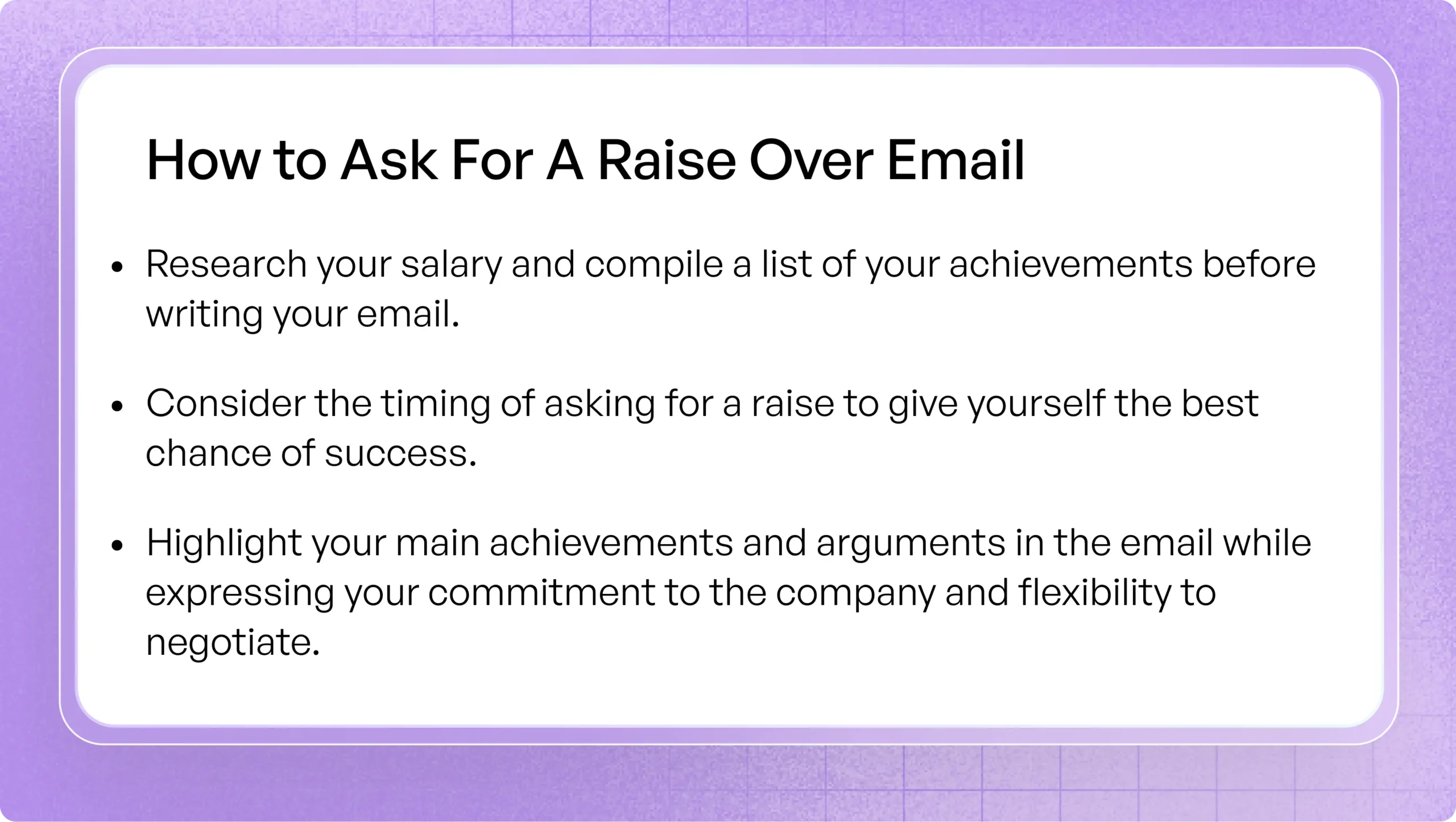
Start by documenting your achievements over the past 12 to 18 months. Focus on specific, measurable results rather than general duties. Think about projects you completed ahead of schedule, revenue you helped generate, processes you improved, or challenges you solved. Concrete examples make your case much stronger when you ask for a raise.
Next, research salary benchmarks for your role, industry, location, and experience level. Websites like Glassdoor, Levels.fyi, and Salary.com provide valuable data, though you should cross-reference multiple sources. Factor in your company size and financial health as well. A startup may not match corporate salary bands, but they might offer equity or flexible benefits instead.
Consider your timing carefully. The best moments to ask for a raise often align with company performance cycles. After successfully completing a major project, during annual budget planning periods, or following a positive performance review are typically favorable windows. Avoid times of company-wide cost-cutting or immediately after your manager has faced personal or professional stress.
Building a strong internal reputation also matters. Maintain positive relationships with colleagues and leadership. When people view you as collaborative and reliable, they are more likely to support your request when you ask for a raise.
Researching Market Rates and Building Your Case
One of the most critical steps when preparing to ask for a raise involves gathering external validation. Spend time understanding what professionals with similar responsibilities earn in your geographic area and industry. This data helps you set a realistic target range rather than an arbitrary number.
Create a one-page document or “brag sheet” that outlines your accomplishments, skills acquired, and contributions to team goals. Include any additional responsibilities you have taken on since your last compensation adjustment. This preparation shows maturity and professionalism when you decide to ask for a raise.
Consider non-salary elements too. Sometimes organizations have more flexibility with bonuses, professional development budgets, additional vacation time, remote work options, or title changes. Having alternatives ready demonstrates flexibility and strategic thinking.
If you have received competing offers from other companies, evaluate whether mentioning them strengthens your position. In some cases, this information can accelerate the process, but it must be handled delicately to avoid appearing disloyal.
Crafting a Professional Script and Approach
The way you frame your request dramatically influences the outcome. Focus on the value you provide rather than personal financial needs. Managers respond better to business-oriented discussions than emotional appeals.
A strong opening might sound like: “I’ve really enjoyed my role over the past year and am proud of the contributions I’ve made to [specific project or goal]. I’d like to discuss my compensation to ensure it aligns with the value I bring to the team.”
Practice your delivery several times. Confidence matters, but so does humility. Rehearse with a trusted friend or mentor who can provide honest feedback on your tone and body language.
Choose the right setting for the conversation. Request a dedicated meeting rather than squeezing it into a regular check-in. This shows respect for the topic’s importance and gives your manager time to prepare.
Navigating the Actual Conversation When You Ask for a Raise
During the meeting, remain calm and positive. Begin by expressing gratitude for the opportunity to discuss your growth. Share specific examples of your impact before stating your request. This sequence helps anchor the discussion in facts rather than emotions.
Listen carefully to your manager’s response. They may need time to consult with HR or higher leadership. Be prepared for questions about your goals, future contributions, and development areas. View these as opportunities to demonstrate commitment rather than challenges.
If the initial response is positive, discuss specific numbers or percentage increases. Having a target range in mind (for example, 8-12%) allows room for negotiation. If the answer is no or a partial yes, ask for clear feedback about what would make a future increase possible. This turns the conversation into a growth discussion rather than a dead end.
Remember that asking for a raise is part of an ongoing professional relationship. Even if the timing is not perfect, maintaining a constructive attitude keeps future doors open.
Handling Objections and Alternative Outcomes
Not every request results in an immediate salary bump. Companies face budget constraints, timing restrictions, or policy limitations. Skilled professionals anticipate these possibilities and prepare graceful responses.
Common objections include company-wide salary freezes, recent organizational changes, or performance areas needing improvement. Address each concern thoughtfully with data and willingness to collaborate on solutions. This approach often leads to creative compensation packages that benefit both parties.
Sometimes the best outcome is a clear timeline for reconsideration or additional responsibilities that justify higher compensation in the near future. Document these agreements in writing to ensure accountability.
If you receive a counteroffer that falls short of expectations, evaluate the full picture. Consider total compensation, career growth opportunities, and work-life balance factors before deciding your next steps.
Following Up and Maintaining Momentum
The conversation does not end when you leave the meeting. Send a professional thank-you email summarizing key points and any agreed-upon next steps. This creates a paper trail and reinforces your professionalism.
Continue performing at a high level regardless of the immediate outcome. Consistency builds credibility for future discussions when you ask for a raise again.
Track your progress and set reminders to revisit the topic at appropriate intervals. Many successful professionals schedule salary conversations every 12 to 18 months as part of their career management strategy.
Developing Long-Term Negotiation Skills
Mastering how to ask for a raise is part of broader career development. Each conversation builds your confidence and communication abilities. Over time, you will become more comfortable discussing your worth and advocating for yourself professionally.
Consider seeking mentorship from leaders who have successfully navigated compensation discussions. Their insights can provide valuable shortcuts and help you avoid common pitfalls.
Remember that market conditions evolve. Stay informed about industry trends, skill demands, and economic factors that influence compensation. This knowledge strengthens your position each time you prepare to ask for a raise.
Many professionals find that after successfully negotiating once, subsequent conversations become easier and more productive. The initial discomfort transforms into a natural part of career progression.
Common Mistakes to Avoid When Asking for a Raise
Several pitfalls can undermine even strong cases. Avoid waiting until you feel desperate or resentful about compensation. Emotional discussions rarely produce optimal results.
Never surprise your manager with an ultimatum unless you are genuinely prepared to leave. This approach damages trust and often backfires.
Failing to quantify your achievements is another frequent error. Vague statements about working hard carry less weight than specific metrics demonstrating impact.
Finally, neglecting to consider the company’s perspective can weaken your position. Understanding business constraints and aligning your request with organizational goals shows strategic thinking that leaders appreciate.
Building Confidence for Future Conversations
Each time you successfully ask for a raise, your confidence grows. View salary discussions as normal business conversations rather than confrontations. This mental shift makes the entire process less stressful over time.
Invest in continuous skill development. The more value you create, the stronger your position becomes when compensation conversations arise. Professionals who consistently deliver exceptional results find that asking for a raise becomes a natural recognition of their contributions rather than a battle.
Consider working with career coaches or joining professional networks where compensation transparency is encouraged. These resources provide additional support and perspective.
FAQs
How much of a raise should I ask for?
A reasonable request typically falls between 5-15%, depending on your performance, market rates, and company circumstances. Research thoroughly and prepare a justified range rather than a single number.
When is the best time to ask for a raise?
Ideal timing includes after major achievements, during performance review periods, or when the company is in a strong financial position. Avoid high-stress periods or immediately after negative company news.
What if my manager says no when I ask for a raise?
Ask for specific feedback and a timeline for future discussion. Use the conversation to understand expectations and create a development plan that positions you for success next time.
Should I mention other job offers when asking for a raise?
Only if you are prepared to leave. Use this information carefully as it can strengthen your case but may also affect how you are perceived internally.
How often should I ask for a raise?
Most professionals benefit from having compensation discussions every 12-18 months, especially if they have taken on new responsibilities or demonstrated significant value.
How to Write a Check with Cents