
Knowing how to check oil level in your car with a dipstick is one of the simplest yet most important maintenance skills every driver should master. Regular oil checks help prevent engine damage, improve performance, and extend the life of your vehicle. Many car owners overlook this basic task, assuming modern vehicles handle everything automatically, but manual verification remains essential for most cars.
This guide provides everything you need to confidently check oil level at home. You will learn the proper technique, common pitfalls to avoid, and why consistent monitoring matters for your engine’s health. Whether you drive a daily commuter or a weekend adventure vehicle, mastering this process empowers you to catch issues early and maintain optimal engine performance.
Why Checking Your Engine Oil Matters
Engine oil lubricates moving parts, reduces friction, cools components, and helps prevent corrosion. Over time, oil breaks down, gets contaminated, or gets consumed by the engine. Low oil levels can lead to increased wear, overheating, and potentially catastrophic engine failure.
By learning how to check oil level regularly, you stay ahead of potential problems. Most manufacturers recommend checking oil at least once a month or before long trips. This simple habit can save you thousands in repair costs and keep your car running smoothly for years.
Modern vehicles still benefit greatly from this hands-on approach, even with advanced warning systems. Electronic sensors sometimes miss gradual changes, making the dipstick your most reliable tool for accurate assessment.
Tools and Preparation Needed to Check Oil Level
Before you begin, gather a few basic items. A clean rag or paper towel is essential for wiping the dipstick. Park your car on a flat, level surface to ensure an accurate reading. An inclined driveway or uneven ground can skew results significantly.
The best time to check oil level is when the engine is cool, ideally after the car has sat for several hours or overnight. Hot oil can give false readings and increases the risk of burns. If you have just driven, wait at least 10 to 20 minutes for the oil to settle back into the pan.
Open the hood and locate the dipstick. It usually has a brightly colored handle, often yellow or orange, marked with an oil can symbol. Consult your owner’s manual if you cannot find it quickly, as placement varies by vehicle make and model.
Step-by-Step Process to Check Oil Level
Start by pulling the dipstick out slowly and carefully. Wipe it completely clean with your rag, removing all traces of oil. This first reading is often inaccurate because oil coats the stick during normal operation.
Reinsert the clean dipstick fully into its tube until it seats properly. Push it all the way in to get the most precise measurement. Wait a few seconds, then pull it out again.
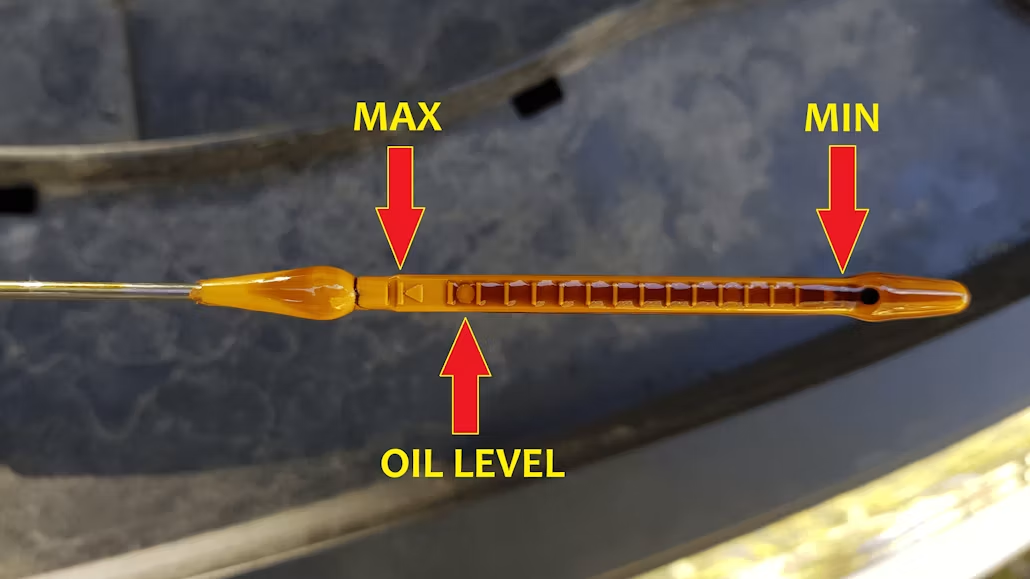
Hold the dipstick horizontally and examine the oil film. Most dipsticks have two marks indicating minimum and maximum levels, sometimes labeled as “low” and “full” or shown with hash marks or dots. The oil should ideally sit between these marks. If it is below the minimum, you need to add oil promptly.
This process forms the foundation of how to check oil level effectively. Repeating the wipe-and-reinsert method ensures reliability.
Reading and Interpreting Your Dipstick Results
Understanding what you see on the dipstick is crucial. The oil should appear amber or light brown when fresh. Dark, black, or gritty oil may indicate it needs changing soon, regardless of level.
If the level is low, add small amounts of the correct oil type specified in your vehicle’s manual. Overfilling can cause as many problems as underfilling, including foaming and reduced lubrication efficiency.
Check oil level consistently using the same method each time. This builds a reliable habit and helps you notice unusual consumption patterns that might signal leaks or internal issues.
Many drivers integrate this check into their routine fueling stops or monthly maintenance schedules. It only takes a few minutes but provides valuable peace of mind.
Safety Considerations When Checking Oil Level
Safety should always come first. Never check oil level while the engine is running. Allow sufficient cooling time to avoid hot oil or components.
Wear gloves if you have sensitive skin, as old oil can contain harmful contaminants. Work in a well-ventilated area and dispose of oily rags properly to prevent fire hazards.
For those new to vehicle maintenance, practicing how to check oil level on a familiar car builds confidence. If your vehicle lacks a traditional dipstick, rely on the electronic monitoring system and consult a professional mechanic for verification.
Common Mistakes People Make When Checking Oil
Many well-intentioned drivers get inaccurate readings by checking immediately after driving. Oil needs time to drain back into the sump for a true measurement.
Failing to wipe the dipstick thoroughly before the second insertion is another frequent error. Residual oil creates misleading high readings.
Reading the dipstick while it is still vertical or without proper lighting can also lead to mistakes. Always hold it level and examine it carefully under good light.
Ignoring your specific vehicle’s requirements is problematic too. Some modern engines have different checking procedures, so always reference the owner’s manual first.
Benefits of Regular Oil Level Monitoring
Consistent checks help you maintain proper lubrication, which directly impacts fuel efficiency and engine longevity. You become more attuned to your vehicle’s normal behavior and can spot anomalies quickly.
This practice also encourages broader maintenance awareness. While learning how to check oil level, many drivers discover other easy tasks like inspecting belts, hoses, or coolant levels.
Over time, proactive monitoring reduces unexpected breakdowns and supports better resale value when you eventually sell your car.
When to Seek Professional Help
While most people can handle basic oil checks, certain situations warrant expert attention. If you notice rapid oil loss between checks, unusual noises, or warning lights, consult a qualified mechanic.
Professional service centers can perform comprehensive oil analysis and address underlying issues. They also handle oil changes with proper disposal, ensuring environmental responsibility.
Consider combining your DIY checks with scheduled professional maintenance for optimal results. This balanced approach maximizes both knowledge and vehicle care.
Maintaining Your Engine Through Proper Oil Practices
Understanding how to check oil level connects to the larger picture of engine health. Pair regular checks with timely oil changes using manufacturer-recommended specifications.
Track your findings in a simple notebook or maintenance app. This record helps identify consumption trends over months or years.
Share this knowledge with family members or new drivers. Teaching others how to check oil level promotes safer roads and more confident vehicle owners.
As automotive technology evolves, core principles like proper lubrication remain constant. Your ability to perform this check keeps you connected to your car’s fundamental needs.
Staying informed through reputable sources enhances your expertise. For detailed vehicle-specific advice, refer to resources like those from Consumer Reports or your automaker’s official guidelines.
Conclusion
Mastering how to check oil level with a dipstick is an empowering skill that every responsible driver should develop. It requires minimal time and tools while delivering significant protection for your engine and wallet.
Make this check a regular habit rather than an occasional task. The few minutes invested monthly can prevent major headaches down the road. Your car will thank you with reliable performance and fewer repair bills.
Start practicing today. Pop the hood, locate that dipstick, and take control of your vehicle’s maintenance. With consistent effort, you will develop confidence and knowledge that serves you for years of safe driving.
FAQs
How often should I check oil level in my car?
Check your oil level at least once a month or before any long trips. More frequent checks are recommended for older vehicles or those that consume oil faster.
What is the best time to check oil level?
The ideal time is when the engine is cold, after the car has been parked for several hours. This allows oil to settle completely for the most accurate reading.
What does it mean if my oil level is below the minimum mark?
A low oil level indicates you need to add the correct type of oil immediately. Driving with insufficient oil can cause serious engine damage.
Can I check oil level when the engine is hot?
It is possible on some vehicles, but waiting for the engine to cool is safer and generally more accurate. Always follow your owner’s manual recommendations.
How do I know if the oil needs changing based on the dipstick?
Look at the color and consistency. Fresh oil is amber; dark, dirty, or milky oil suggests it is time for a change, even if the level is adequate.