
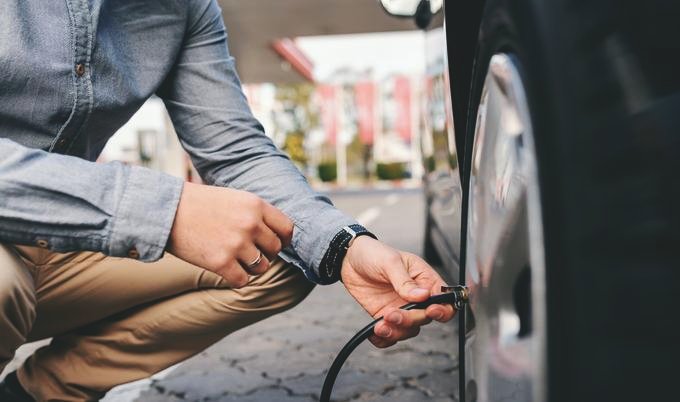
Learning how to check tire pressure is one of the most practical skills any driver can develop. It takes just a few minutes yet delivers major benefits in safety, fuel efficiency, and tire longevity. Many people assume their tires are fine until they notice handling issues or a dashboard warning light, but regular checks prevent problems before they start.
Proper tire inflation affects everything from braking distance to ride comfort. When you consistently check tire pressure, you take control of one of the simplest yet most impactful aspects of vehicle maintenance. This guide walks you through the entire process with clear explanations, so you can confidently maintain your tires at home.
Why Maintaining Correct Tire Pressure Matters
Tire pressure directly influences how your vehicle performs on the road. Underinflated tires increase rolling resistance, which reduces fuel economy and causes faster tread wear on the outer edges. Overinflated tires, on the other hand, reduce the contact patch with the road, leading to decreased traction and quicker wear in the center of the tread.
When you check tire pressure regularly, you help ensure even wear, better handling, and improved safety. According to safety organizations, properly inflated tires can reduce the risk of blowouts and improve stopping distances. This simple habit also contributes to lower emissions and smoother driving experiences.
Many modern vehicles come with tire pressure monitoring systems, but these electronic helpers serve as backups rather than replacements for manual verification. Learning to check tire pressure manually gives you more accurate insights and helps you spot gradual changes that sensors might miss.
Tools Needed to Check Tire Pressure Effectively
A reliable tire pressure gauge stands as your most important tool. Digital gauges offer easy-to-read displays, while traditional pencil-style or dial gauges work well too. Choose one that feels comfortable in your hand and provides consistent readings.
You will also need access to an air compressor or air pump, either at home or at a local gas station. Keeping a portable compressor in your trunk makes the entire process more convenient, especially during travel.
A notepad or your phone helps record readings for each tire, making it easier to track patterns over time. With these basic items, you can check tire pressure accurately whenever needed.
Finding the Recommended Tire Pressure for Your Vehicle
Every vehicle has specific inflation requirements based on its weight, tire size, and design. The best place to find this information is the sticker on the driver’s side door jamb. It lists the recommended cold tire pressure for front and rear tires, often in pounds per square inch, or PSI.
Your owner’s manual provides additional details, including adjustments for heavy loads or highway driving. Avoid relying solely on the maximum pressure stamped on the tire sidewall, as that represents the tire’s upper limit rather than the ideal operating pressure for your car.
When you check tire pressure, always reference these manufacturer specifications. They account for optimal performance, safety margins, and fuel efficiency tailored to your specific model.
Preparing to Check Tire Pressure the Right Way
Timing plays a crucial role in getting accurate results. The best practice involves checking when tires are cold, meaning the vehicle has sat for at least three hours or has not been driven more than a mile. Heat from driving causes air to expand, leading to temporarily higher readings.
Park on a level surface and ensure all tires, including the spare, receive attention. Temperature changes affect pressure, with drops in cold weather often requiring slight increases to maintain proper levels.
This preparation ensures that when you check tire pressure, the numbers truly reflect the actual condition inside each tire.
The Process of Checking Tire Pressure
Begin by removing the valve stem cap from one tire. Press your gauge firmly onto the valve stem until you hear a brief hiss of air, then remove it quickly to capture the reading. The gauge will display the current pressure level clearly.
Repeat this for all four tires and the spare. Compare each reading to the recommended PSI from your door sticker. Small differences between tires are normal due to slight leaks or temperature variations, but consistent low readings across multiple tires may indicate a need for professional inspection.
This straightforward method allows anyone to check tire pressure quickly and reliably. With practice, the entire process becomes second nature, taking less than five minutes from start to finish.
Interpreting Your Tire Pressure Readings
Understanding what the numbers mean helps you make informed decisions. If a tire reads several PSI below the recommendation, it needs additional air. Add small amounts gradually and recheck to avoid overinflation.
Tires reading higher than recommended might benefit from a slight release of air by pressing the valve pin gently. Always recheck after any adjustment to confirm you have reached the target.
Pay attention to the overall condition of the tires during this process. Look for visible damage, uneven wear, or foreign objects that could affect pressure retention. These observations complement the numerical data you gather when you check tire pressure.
Adjusting Tire Pressure Safely and Accurately
When adding air, connect the compressor hose securely to the valve stem. Most compressors allow you to set a target pressure, automatically shutting off when reached. For manual pumps, add air in short bursts and check frequently.
After inflation, replace the valve stem caps tightly. They protect the valve from dirt and moisture that could cause slow leaks over time.
Perform this adjustment as part of your routine whenever you check tire pressure and notice deviations. Consistent maintenance keeps your tires performing at their best throughout their lifespan.
Seasonal Changes and Tire Pressure Considerations
Temperature fluctuations significantly impact tire pressure. As a general rule, pressure drops about one PSI for every ten-degree decrease in temperature. This means winter often requires more frequent checks to prevent underinflation.
In hotter summer months, tires may show higher readings when hot, reinforcing the importance of checking when cold. Understanding these patterns helps you maintain optimal pressure year-round.
Drivers in regions with extreme seasonal changes particularly benefit from developing the habit to check tire pressure monthly. This vigilance ensures consistent performance regardless of weather conditions.
Common Challenges and How to Overcome Them
Even experienced drivers sometimes struggle with accurate readings. One frequent issue involves not pressing the gauge firmly enough, which allows air to escape and produces lower numbers. Practice makes this motion more natural.
Another challenge appears with stubborn valve stems or hard-to-reach tires on certain vehicles. A flexible gauge extension can help in tight spaces.
If you notice rapid pressure loss in one tire, it might indicate a puncture or valve issue requiring professional repair. Regular monitoring through consistent checks helps identify these problems early.
The Broader Benefits of Regular Tire Maintenance
Beyond immediate safety, maintaining proper inflation through routine checks contributes to better fuel economy. Studies show that underinflated tires can reduce mileage by several percentage points, adding up to noticeable costs over time.
Well-maintained tires also last longer, reducing replacement frequency and environmental impact. This practice demonstrates responsible vehicle ownership that pays dividends in reliability and peace of mind.
Many drivers who learn to check tire pressure often expand their maintenance knowledge to include tread depth checks, alignment awareness, and rotation schedules. These interconnected habits create a comprehensive approach to car care.
For more vehicle maintenance tips, explore our other guides on how to check oil level and basic engine care on this site.
Building Confidence in Your Automotive Skills
Taking time to master checking tire pressure empowers you as a driver. You no longer depend solely on service stations or warning lights. Instead, you develop independence and a deeper connection with your vehicle’s needs.
Share this knowledge with family members or new drivers. Teaching others reinforces your own habits while promoting safer roads for everyone.
As automotive technology advances with smarter monitoring systems, the fundamental skill of manual verification remains valuable. It connects you directly to one of the most critical safety components on your vehicle.
Conclusion
Mastering how to check tire pressure represents a small investment of time that yields substantial returns in safety, efficiency, and cost savings. By making this check part of your regular routine, you protect your investment in your vehicle while ensuring safer travels for yourself and your passengers.
Start today by locating your pressure gauge and checking all tires when they are cold. The confidence you gain from this simple task will serve you well throughout your driving years. Remember that consistent attention to detail separates careful drivers from those who face unexpected roadside issues.
Your tires carry you and your loved ones thousands of miles each year. Giving them the attention they deserve through regular pressure checks is one of the smartest things you can do as a responsible vehicle owner.
FAQs
How often should I check tire pressure?
Check tire pressure at least once a month and before long trips. More frequent checks benefit vehicles in extreme temperatures or older models prone to leaks.
What is the best time to check tire pressure?
The ideal time is when tires are cold, after the vehicle has sat for at least three hours. This provides the most accurate reading compared to manufacturer recommendations.
Can I check tire pressure when tires are hot?
You can check hot tires for a general idea, but readings will be higher than cold pressure. Always adjust based on cold specifications and recheck when possible.
What tools do I need to check tire pressure accurately?
A quality tire pressure gauge and access to an air compressor are essential. Digital gauges provide clear readings, though analog versions work well with practice.
Why does my tire pressure keep dropping?
Consistent drops may indicate a slow leak, faulty valve stem, or temperature changes. If the issue persists after proper inflation, have a professional inspect the tire.