
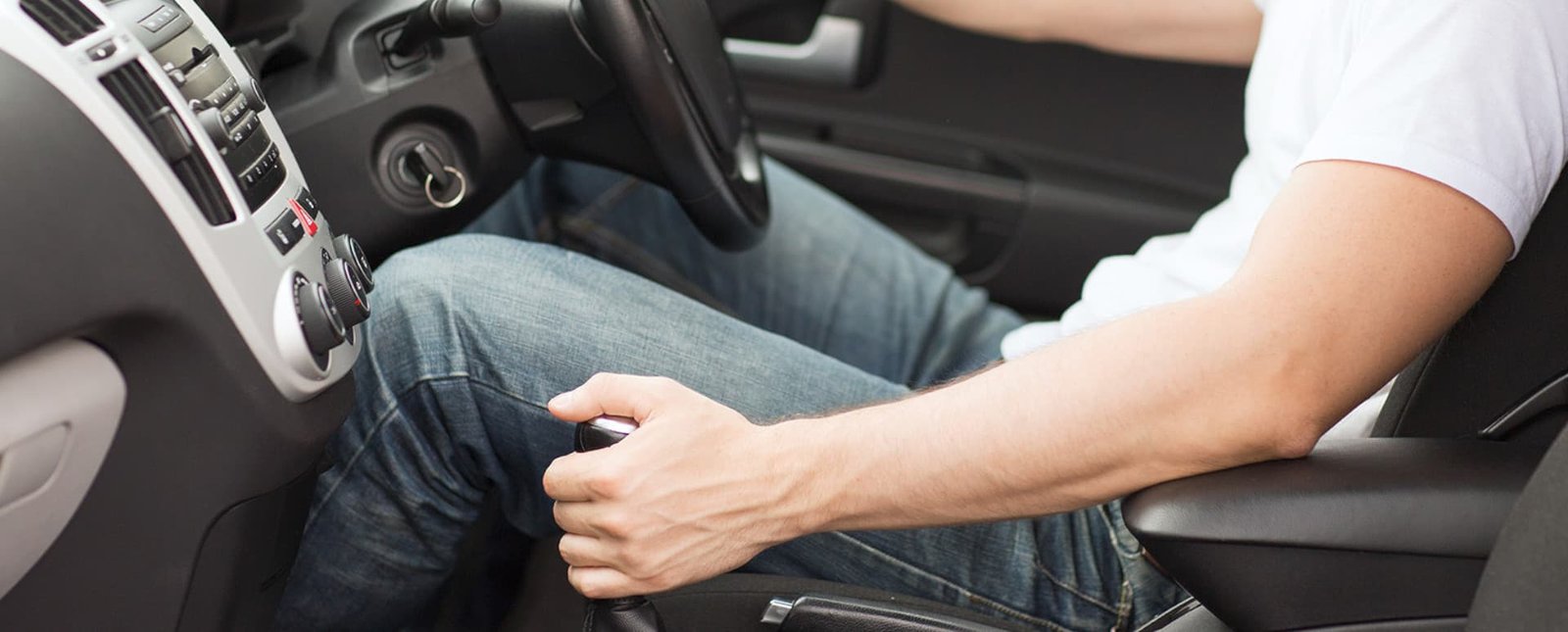
There’s something deeply satisfying about learning to drive a manual car. The moment you feel the clutch engage smoothly, the gear slip into place, and the car pull away without a single judder — it clicks. You’re no longer just a passenger in the experience; you’re connected to the machine in a way that automatic transmission simply doesn’t offer.
Manual cars, also known as stick shifts or standard transmissions, give the driver full control over gear selection and engine power delivery. While automatic vehicles have dominated most consumer markets in recent years, manual transmissions remain popular worldwide — in Europe, across much of Asia, and among driving enthusiasts everywhere. Many driving instructors argue that learning on a manual first makes you a significantly better driver overall, sharpening your awareness of speed, engine behavior, and road conditions.
If you’ve been putting off learning because the clutch intimidates you, or because you stalled once and never went back, this guide is for you. Everything you need to drive a manual car confidently, smoothly, and safely is right here — explained in clear, practical language from the ground up.
Understanding the Controls Before You Start
Before you can drive a manual car, you need to understand what’s in front of you. A manual vehicle has three pedals instead of two. From left to right, they are the clutch, the brake, and the accelerator (also called the gas pedal). The clutch is the heart of manual driving — it’s the pedal that most beginners find challenging, and it’s the one that makes all the difference once you understand how it works.
The clutch pedal controls a disc inside the transmission that connects and disconnects the engine from the gearbox. When you press the clutch down fully, you disconnect the engine from the drivetrain, allowing you to change gears without grinding them. When you release it, you reconnect the engine and allow power to flow through to the wheels. All the coordination in manual driving comes down to managing this connection smoothly.
The gear stick — typically positioned between the driver and passenger seats — allows you to select which gear ratio the transmission uses. Most manual cars have five or six forward gears plus reverse. The gear pattern is usually printed on the gear knob itself, showing which direction to move the stick to engage each gear.
Getting familiar with these controls before moving is genuinely important. Spend a few minutes in a parked car, pressing and releasing the clutch, moving the gear stick through its positions, and simply feeling how the pedals respond. Familiarity builds confidence, and confidence is what allows you to drive a manual car without overthinking every movement.
The Clutch Biting Point: The Single Most Important Skill
If you master one concept before anything else, make it the biting point. The biting point is the moment during clutch release where the clutch disc begins to engage with the engine — the threshold between disconnection and full power transfer. It’s the sweet spot that determines whether your car moves smoothly, lunges forward, or stalls.
Every car has a slightly different biting point, which is why drivers sometimes struggle when switching between vehicles. To find it, press the clutch fully to the floor and start the engine. Keep the car in neutral. Then, very slowly begin to release the clutch pedal. At some point — usually in the middle of the pedal’s travel — you’ll feel the car body shift slightly and hear the engine tone drop a fraction. That is the biting point.
The ability to find and hold this point is the foundation of everything else in manual driving. Starting from a standstill, hill starts, low-speed maneuvering — all of it depends on your feel for the biting point. The good news is that the more you practice, the more instinctive it becomes. Within a few driving sessions, your left foot will find it without conscious thought.
To drive a manual car from a standstill, press the clutch in fully, select first gear, find the biting point, and very gently apply a small amount of accelerator while slowly and smoothly releasing the clutch the rest of the way. The car should move forward cleanly. If the engine revs without movement, you released the clutch too slowly. If the car jolts or stalls, you released it too quickly. Balance is everything, and it comes with repetition.
How to Change Gears While Moving
Once you’re moving in first gear, the next skill to learn is changing up through the gears smoothly. Driving a manual car at speed requires reading engine revs and road conditions to know when to shift, and then executing the gear change cleanly and confidently.
Changing Up (Shifting to a Higher Gear)
As a general rule, you should shift up when the engine feels like it’s working hard — typically around 2,000 to 2,500 RPM for regular driving, or when the engine starts to sound strained. As a road speed reference, most cars are comfortable shifting from first to second around 10–15 mph, from second to third around 20–25 mph, and so on.
To change up, press the clutch pedal fully in one smooth, rapid movement, release the accelerator at the same time, move the gear stick to the next gear, and then release the clutch smoothly while gradually reapplying the accelerator. The entire sequence should feel like one flowing motion rather than a series of separate steps. If the car jolts when you release the clutch, you’re either releasing it too fast or not matching the accelerator smoothly enough.
Changing Down (Shifting to a Lower Gear)
Downshifting is used when you need more power — for example, when approaching a junction, descending a steep hill, or overtaking. To drive a manual car smoothly through a downshift, press the clutch, select the lower gear, and release the clutch while gently increasing the accelerator to match the engine speed to the new gear ratio. This technique is called rev-matching, and while it sounds advanced, it becomes second nature with practice.
One important rule: always slow the car to an appropriate speed before downshifting. Dropping from fourth to second gear at 50 mph, for example, will cause a sharp jolt and can damage your transmission over time. Match your speed to the gear you’re selecting.
Starting on a Hill: Conquering the Most Common Fear
Hill starts are the scenario that causes the most anxiety for people learning to drive a manual car — and understandably so. The fear of rolling back into the car behind you is real, and the coordination required is a step up from flat-ground starting.
The technique is straightforward once broken down. Apply the handbrake (or parking brake) before you begin. Press the clutch in fully and select first gear. Find the biting point and hold it there. Apply a little more accelerator than you would for a flat-road start — the engine needs extra power to move against gravity. Then, as you feel the biting point firmly, release the handbrake. The car should hold its position and then begin to move forward as you release the clutch the rest of the way.
The handbrake is your security net here. It prevents rollback while you find the biting point, giving you the time you need to get the coordination right without pressure. With a few successful repetitions on gentle inclines, you’ll graduate naturally to steeper hills, and the technique will become routine.
Many modern manual cars now include Hill Start Assist technology, which automatically holds the brakes briefly after releasing the brake pedal to give you time to engage the clutch. If your car has this feature, hill starts become significantly easier — but learning the handbrake technique first means you’ll never be caught out in a car without it.
Common Mistakes and How to Avoid Them
Understanding the pitfalls that trip up most beginners can dramatically shorten your learning curve. Almost everyone who sets out to drive a manual car for the first time makes the same handful of errors.
Resting Your Foot on the Clutch
One of the most common habits to avoid is “riding the clutch” — keeping your foot partially pressing the clutch pedal while driving. This causes premature wear on the clutch disc, which is an expensive component to replace. When you’re not actively changing gears, your left foot should rest on the footrest to the left of the clutch pedal, completely off the pedal itself.
Using the Clutch to Hold on a Hill
Rather than using the biting point to hover stationary on a hill — a technique sometimes called “clutch control hill hold” — always use your handbrake for prolonged stops on inclines. Holding the clutch at the biting point for more than a few seconds generates significant heat and wear.
Looking at the Gear Stick
Many new learners glance down at the gear stick when changing gears, which takes their eyes off the road. The gear pattern becomes muscle memory within a surprisingly short time, but early on it can help to practice gear changes in a parked car with your eyes closed so your hand learns the positions naturally.
Stalling in Traffic
Stalling happens when the clutch is released too quickly without enough engine revs to sustain the load. It’s completely normal — even experienced drivers stall occasionally. When it happens, stay calm, apply the handbrake, restart the engine, select first gear, and move away as normal. The goal is to be composed rather than flustered, because panic leads to more mistakes.
Developing Smoothness: The Marker of a Skilled Manual Driver
The difference between a beginner and a skilled manual driver isn’t the ability to change gears — it’s the quality of those gear changes. Learning to drive a manual car smoothly is what separates functional driving from genuinely good driving.
Smooth gear changes require coordinating four inputs simultaneously: clutch depression speed, accelerator release timing, gear stick movement, and clutch release rate. When all four are synchronized properly, the car barely registers the transition. Passengers won’t feel a thing. The engine note will stay even. The car will simply accelerate seamlessly.
Building this smoothness requires deliberate practice. In an empty car park or quiet road, focus entirely on the quality of individual gear changes rather than speed or destination. Repeat the same change — first to second, second to third — until it feels effortless. Then focus on downshifts. Then practice in varied traffic conditions. Improvement is rapid when the practice is intentional.
According to research by road safety organizations including the RAC Foundation, drivers who develop genuine mechanical empathy — an intuitive understanding of how their vehicle’s drivetrain works — tend to have better hazard perception and smoother driving behavior overall. Learning to drive a manual car well is, in this sense, an investment in becoming a better driver in every vehicle you ever sit in.
Tips for Practicing Safely and Efficiently
The best environment for initial manual car practice is a large, empty space with no traffic — an empty car park, a quiet industrial estate on a weekend, or a private road. Having no external pressure allows you to focus entirely on the physical coordination without worrying about other road users.
If you’re learning with a qualified instructor, don’t hesitate to ask them to explain the mechanics of what’s happening in the car when you make a mistake. Understanding why the car stalled or why the gear change felt rough helps you self-correct far more effectively than simply being told to try again.
Progress through environments gradually: empty spaces first, then quiet residential streets, then arterial roads, and finally motorway or highway driving. Each environment adds a layer of cognitive demand. Introducing them incrementally means you’re always practicing at the edge of your current ability without being overwhelmed.
Conclusion
Learning to drive a manual car is one of those skills that feels impossibly coordination-intensive at first and completely natural within weeks. Every driver who persists through the initial stalls, the hill start nerves, and the occasional grinding gear reaches the same destination: a level of mechanical connection with their vehicle that automatic drivers simply don’t experience.
The clutch teaches patience and feel. The gear changes develop coordination. The hill starts build confidence under pressure. Together, they make you a more attentive, more responsive, and more mechanically aware driver — regardless of what you end up driving long-term.
Start in a safe space, focus on the biting point above everything else, practice deliberately and often, and resist the urge to rush. The smoothness will come. The confidence will follow. And the first time you nail a perfect double-declutch downshift or carry a hill start without a moment’s hesitation, you’ll understand exactly why generations of drivers have argued that knowing how to drive a manual car is a skill every driver should have.
Frequently Asked Questions
Q1. How long does it take to learn to drive a manual car?
Most people develop basic competency — being able to move away, change gears, and stop smoothly — within two to five hours of practice in low-traffic environments. Reaching genuine confidence in all conditions, including hills, roundabouts, and busy traffic, typically takes several weeks of regular practice. The learning curve is steeper than an automatic but levels off quickly once the biting point becomes instinctive.
Q2. Why does my car keep stalling when I try to pull away?
Stalling when pulling away almost always means you’re releasing the clutch too quickly before the engine has built enough revs to handle the load. The fix is to apply a small amount of accelerator before you begin releasing the clutch, and then release the clutch more slowly and gradually than you think necessary. Practicing the release speed in an empty space with no time pressure is the fastest way to correct this habit.
Q3. Is it bad for the car to ride the clutch while driving?
Yes. Keeping your foot resting on the clutch pedal while driving — even lightly — causes the clutch disc to partially engage and creates friction heat that accelerates wear. Clutch replacement is a significant mechanical cost, often running into several hundred dollars or more depending on the vehicle. Always rest your left foot fully off the clutch when you’re not actively changing gears.
Q4. What gear should I use when going downhill?
When descending a significant hill, you should select a lower gear to use engine braking — letting the engine’s compression slow the vehicle rather than relying entirely on the brakes. This reduces brake wear and prevents overheating on long descents. Match the gear to your speed: if you would normally be in third gear at that speed on a flat road, use second or third going downhill depending on the gradient’s steepness.
Q5. Can I learn to drive a manual car if I already drive an automatic?
Absolutely — and many drivers make this transition successfully. The core skills of road awareness, hazard perception, and vehicle positioning already transfer directly. The new challenge is purely mechanical: learning clutch control, gear timing, and coordination of three pedals instead of two. Most experienced automatic drivers find that the mechanical adjustment, while initially awkward, comes faster than learning from scratch because road judgment is already developed.