
Introduction
There are few household problems more persistently annoying — or more quietly expensive — than a running toilet. That constant trickle of water, the tank that never quite seems to settle, the faint hissing sound that follows you out of the bathroom and into your dreams — it is the kind of problem that starts as a minor irritation and quietly becomes a significant drain on your water bill.
Knowing how to fix a running toilet is one of the most valuable practical skills a homeowner can have, and the good news is that it is far more achievable than most people assume. Even if you have never picked up a wrench in your life, a running toilet is almost always a DIY-friendly repair — with the right guidance.
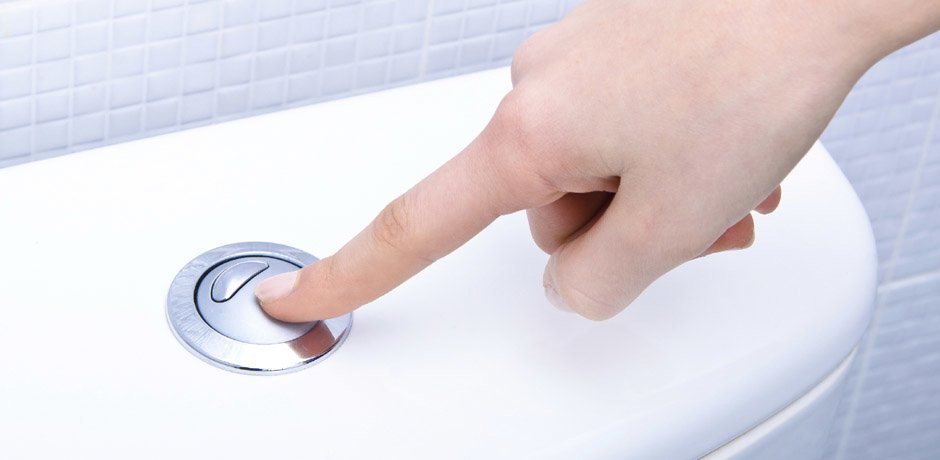
This guide focuses specifically on button flush toilets, which have become the dominant style in modern homes across the UK, Europe, Australia, and increasingly in North America. Unlike the traditional lever-flush systems many people grew up with, button flush toilets — also called dual flush toilets — operate through a concealed cistern mechanism that works a little differently. If your toilet has one or two buttons on top of the cistern rather than a handle on the side, this guide is exactly what you need.
Let us walk through everything: what causes a running toilet, how to diagnose the specific problem in your button flush system, and how to fix it step by step — without needing to call a plumber.
Understanding Your Button Flush Toilet System
Before you can learn how to fix a running toilet, it helps enormously to understand how the system actually works. A button flush toilet — particularly a dual flush design — is a clever piece of engineering, but like all mechanical systems, it has points of vulnerability.
When you press the flush button, it activates a mechanism inside the cistern (the large tank at the back or behind the wall) that lifts a seal, releasing water into the bowl. In a dual flush system, one button releases a full flush for solid waste and the other releases a reduced flush for liquid waste. According to Water UK, dual flush toilets can save a household up to 67% more water compared to traditional single-flush systems — which makes fixing them when they go wrong even more worthwhile.
The cistern contains several key components: the fill valve (which refills the tank after flushing), the flush valve (which releases water during a flush), the float (which tells the fill valve when the tank is full), and the seal or diaphragm that sits at the base of the flush valve. In button flush systems, there is also a tower mechanism that connects the buttons to the flush valve below.
A running toilet occurs when water continuously escapes from the cistern into the bowl, or when the fill valve keeps running because the tank cannot reach the correct water level. Identifying which of these is happening in your toilet is the crucial first diagnostic step.
Diagnosing the Problem: What Is Actually Making Your Toilet Run?
Learning how to fix a running toilet starts with a proper diagnosis, because the solution depends entirely on the cause. There are three main culprits in a button flush system, and each has a distinct set of symptoms.
The Faulty Flush Valve Seal
The most common cause of a continuously running toilet — in both button flush and lever flush systems — is a worn or damaged flush valve seal. This small rubber seal sits at the bottom of the cistern and is responsible for creating a watertight barrier between the tank and the toilet bowl. When it ages, warps, or accumulates limescale deposits, it can no longer form a proper seal, and water slowly but continuously leaks through into the bowl.
You can diagnose this problem with a simple dye test. Add a few drops of food colouring — or a coloured toilet cistern dye tablet — into the tank and wait ten to fifteen minutes without flushing. If coloured water appears in the bowl, water is leaking through the flush valve seal. This is your problem.
Limescale is a particularly common issue in hard water areas. The UK’s Drinking Water Inspectorate notes that hard water affects large parts of England, and mineral deposits on rubber seals are one of the leading causes of running toilets in these regions. A seal that looks physically intact can still be compromised by a thin, invisible layer of limescale preventing it from closing properly.
The Misaligned or Stuck Float
The float is the component that monitors the water level inside your cistern. In older systems, this was a large ball float on a metal arm — the kind you have probably seen if you have ever looked inside an older toilet tank. In modern button flush cisterns, the float is typically a smaller cylindrical component that slides up and down a vertical fill valve.
When the float is set too high, the water level in the tank rises above the overflow tube, and water continuously drains away rather than sitting at the correct level. You will hear the fill valve running almost constantly as a result. When the float is stuck — due to limescale, physical damage, or a manufacturing fault — the fill valve does not receive the signal to stop, and again, water keeps flowing.
This is often the cause if you hear a persistent hissing or running sound even when the toilet bowl looks completely calm with no visible movement of water.
The Damaged or Incorrectly Seated Overflow Tube
Every cistern has an overflow tube — a pipe that carries excess water safely out of the tank and into the bowl rather than allowing it to spill onto the floor. In a button flush system, this tube is typically part of the integrated flush valve tower. If the water level is set too high or the tube itself is cracked, water will constantly trickle through it, producing the characteristic sound of a running toilet.
Once you have identified which of these three issues is causing your running toilet, you are ready to move into the repair phase.
What You Will Need Before You Start
Knowing how to fix a running toilet also means being properly prepared. Most button flush toilet repairs require only basic tools and inexpensive parts, which is one of the reasons this is such a satisfying DIY project.
You will want to have a pair of rubber gloves, an adjustable wrench, a sponge and small bucket, a cloth or old towel, and a torch for seeing clearly inside the cistern. Depending on the specific repair, you may also need a replacement flush valve seal (available from any plumbing merchant or hardware store), a replacement fill valve, or a full flush valve tower assembly. Before purchasing parts, note the brand and model of your cistern — common UK brands include Geberit, Siamp, Oleas, and Thomas Dudley — as parts can be brand-specific.
White wine vinegar is also worth having to hand. It is highly effective at dissolving limescale from rubber seals and valve components, and using it before replacing any parts can sometimes resolve a leak without the need for new components at all.
How to Fix a Running Toilet: Step-by-Step Repair Guide
Now comes the practical heart of this guide — the actual repair process. Working methodically through these steps will resolve the vast majority of running toilet problems in button flush systems.
Step One: Shut Off the Water Supply
Before opening the cistern, turn off the water supply to the toilet. There is usually an isolation valve on the water pipe leading into the cistern — a flat-head screw that you turn ninety degrees to close. If there is no isolation valve, turn off the mains water supply for your home instead. Once the supply is shut off, flush the toilet to empty the cistern as much as possible, then use a sponge and bucket to remove any remaining water.
Step Two: Access the Cistern
For a standard exposed cistern — the kind sitting on top of or directly behind the toilet — lift the lid off the tank. In some homes, the cistern is concealed behind a wall panel, in which case you will need to open or remove the access panel first. Button flush systems in concealed cisterns are extremely common in modern bathroom installations, particularly those using Geberit or similar brands, and the access panel is usually located just below or around the flush buttons themselves.
Step Three: Inspect and Clean or Replace the Flush Valve Seal
With the cistern empty and open, locate the flush valve assembly — the tall central tower connected to the flush buttons above. At the base of this assembly sits the seal. In many button flush systems, you can access this seal by turning the flush valve tower anti-clockwise and lifting it out. The seal should then be visible and accessible at the base of the valve opening.
Inspect the seal carefully. If it is visibly cracked, warped, or deformed, it needs replacement — take it to a plumbing merchant to find an exact match, or order by the cistern brand and model number. If it appears physically intact, soak it in white wine vinegar for fifteen to twenty minutes to dissolve any limescale, rinse thoroughly, and refit. This simple cleaning step resolves a surprising number of running toilet problems without requiring any new parts at all.
When refitting or replacing the seal, ensure it is perfectly flat and evenly seated around the entire valve opening. Even a slight misalignment will allow water to escape. This is one of the most important steps in knowing how to fix a running toilet properly.
Step Four: Adjust or Replace the Float
With the cistern still open, observe the float assembly on your fill valve. In most modern button flush systems, the float can be adjusted by turning a small screw or sliding an adjustment collar up or down the fill valve body. The correct water level should sit approximately twenty-five millimetres below the top of the overflow tube — most cisterns have a water level mark or line inside the tank indicating the correct height.
If adjusting the float brings the water level to the correct position and the fill valve stops running, you have solved the problem. If the fill valve continues to run even with the float correctly positioned, the fill valve itself may be worn and require full replacement. Replacement fill valves are widely available and straightforward to install — the old valve unscrews from the base of the cistern and the new one fits in its place.
Step Five: Check and Clear the Overflow Tube
While the cistern is open, take a moment to inspect the overflow tube. Run your finger around the rim to check for cracks or damage. If the tube is cracked, the entire flush valve assembly will need replacement. If it is intact but carrying a constant trickle of water, the issue is the water level being set too high — return to Step Four and lower the float adjustment.
Step Six: Reassemble, Restore Water Supply, and Test
Once all repairs are complete, refit any components you have removed, ensuring all fittings are secure and correctly oriented. Replace the cistern lid, turn the water supply back on, and allow the tank to refill fully. Observe the system carefully for five to ten minutes. Listen for any running sounds, watch for water movement in the bowl, and check that the fill valve stops running cleanly once the tank reaches its correct level.
If the toilet is now completely silent between flushes, congratulations — you have successfully learned how to fix a running toilet with a button flush system, and done it yourself.
When to Call a Plumber Instead
For the vast majority of running toilet problems, the steps above will solve the issue completely. However, there are circumstances where professional help is the wiser choice.
If your toilet is a fully concealed in-wall system with no accessible service panel, accessing the cistern may require removing tiles or cutting into the wall — work that is better handled by a qualified plumber or bathroom installer. Similarly, if you discover that the fill valve or flush valve is a proprietary component that is no longer manufactured, a plumber with trade accounts may be better placed to source and fit a compatible alternative.
The Chartered Institute of Plumbing and Heating Engineering (CIPHE) recommends that any plumbing work involving structural elements of the building, mains water connections, or unfamiliar proprietary systems should be carried out or at least inspected by a qualified professional.
The Cost of Ignoring a Running Toilet
Understanding how to fix a running toilet is not just about convenience — it is about money. A continuously running toilet can waste between 200 and 400 litres of water per day, according to data from Waterwise, the UK’s leading water efficiency organisation. Over a month, that amounts to between 6,000 and 12,000 litres of water quite literally flushed away.
For households on a water meter, this translates directly into a higher bill — sometimes significantly higher. Even for households on unmeasured water rates, the environmental cost of wasting treated drinking water at that scale is considerable. Fixing a running toilet promptly is one of the most impactful water-saving actions any household can take.
The cost of the repair itself — typically between £5 and £30 for parts in the UK — makes it one of the best-value home maintenance tasks you will ever complete.
Preventing Future Running Toilet Problems
Once you have learned how to fix a running toilet and completed the repair, a little ongoing maintenance will help prevent the same problem from recurring. In hard water areas, an annual inspection of the flush valve seal and a soak in vinegar solution will keep limescale from building up to the point of causing a leak.
If your area has particularly hard water, consider fitting an in-line water softener or scale inhibitor to the supply pipe feeding the toilet cistern. These devices significantly reduce mineral buildup throughout your plumbing system, extending the life of seals, valves, and other rubber components.
Every six months or so, lift the cistern lid and take a look inside. It takes thirty seconds and can catch a developing problem — a slightly misaligned seal, a float beginning to stick — before it becomes a running toilet again.
Conclusion
A running toilet with a button flush system is genuinely one of the most fixable problems in the modern home. Armed with a basic understanding of how the system works, a proper diagnosis of the root cause, and the step-by-step guidance in this article, the vast majority of homeowners can resolve the issue themselves in an afternoon — saving water, saving money, and gaining the quiet satisfaction of a properly functioning bathroom.
Knowing how to fix a running toilet is a skill that pays for itself many times over. Whether the culprit is a worn flush valve seal coated in limescale, a float set fractionally too high, or a fill valve that has simply reached the end of its working life, the solution is within reach. Take it one step at a time, be patient with the diagnosis, and do not be afraid to get your hands slightly wet. Your water bill — and your peace of mind — will thank you.
FAQs
Q1: How do I know if my button flush toilet is running?
The most reliable sign is a faint but constant sound of trickling or hissing water coming from the cistern or bowl between flushes. You can confirm it with the dye test: add food colouring to the cistern and wait 10–15 minutes without flushing. If colour appears in the bowl, water is leaking through the flush valve seal and your toilet is definitely running.
Q2: How much water does a running toilet waste?
A running toilet can waste anywhere from 200 to 400 litres of water per day, depending on the severity of the leak. Over a full month, that can amount to over 10,000 litres — equivalent to roughly 100 full baths. For metered households, this can add a significant amount to monthly water bills, making prompt repair essential.
Q3: Can I fix a button flush running toilet without turning off the mains water?
You should always turn off the water supply before opening the cistern and working on internal components. Most toilets have a dedicated isolation valve on the supply pipe, which means you only need to shut off water to that one fixture rather than the entire house. Working with the water supply on risks spillage and makes it impossible to properly inspect or reseat internal components.
Q4: How long do button flush toilet seals typically last?
In areas with soft water, a good quality flush valve seal can last ten years or more. In hard water areas, limescale buildup can degrade seals significantly faster — sometimes within three to five years. Annual cleaning with white wine vinegar and a periodic visual inspection will extend seal life considerably and help you catch wear before it becomes a running toilet problem.
Q5: My button flush toilet keeps running even after I replaced the seal — what else could it be?
If replacing the seal has not resolved the problem, the next most likely causes are a float set too high (causing water to constantly run over the overflow tube) or a worn fill valve that is no longer shutting off correctly. Try adjusting the float down slightly first. If the running continues, the fill valve likely needs replacement — a straightforward job that involves unscrewing the old unit from the base of the cistern and fitting a compatible replacement, available from any plumbing merchant.
How to Clean a Mattress the Right Way