
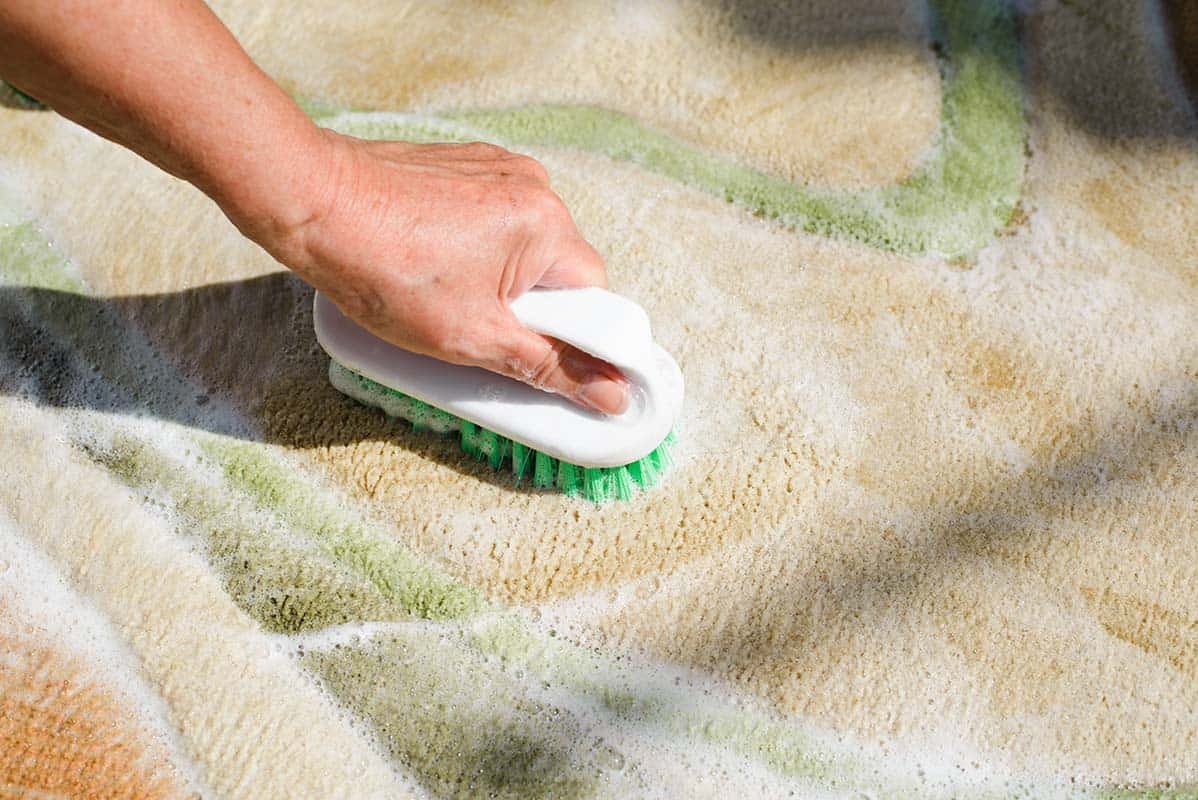
Introduction
There is something undeniably comforting about soft, clean carpet beneath your feet. But carpets are also one of the most hard-working surfaces in your home, silently collecting dust, allergens, pet dander, food crumbs, and the occasional coffee spill. Over time, even the most beautiful carpet can start looking tired, matted, and dull — which is why knowing how to clean a carpet properly is one of the most valuable home maintenance skills you can have.
Whether you are dealing with a fresh stain, a room that smells musty, or a carpet that simply hasn’t had a thorough cleaning in months, this guide covers everything you need. From everyday upkeep to deep-cleaning strategies and stain removal secrets, you will find practical, proven advice that works on all types of carpets — without needing to hire a professional every single time.
Let’s walk through the entire process together, step by step.
Why Regular Carpet Cleaning Matters More Than You Think
Most people only think about how to clean a carpet when something goes visibly wrong — a stain, a smell, or a guest coming over. But carpets actually need regular attention even when they look fine on the surface.
Carpet fibers trap microscopic particles that a quick vacuum often misses. Dust mites, bacteria, mold spores, and pet allergens can accumulate deep within the pile, affecting your indoor air quality and potentially triggering allergies or respiratory issues. According to the Asthma and Allergy Foundation of America, carpets can hold up to eight times their weight in dirt and debris before showing visible signs of soiling.
Beyond health, regular cleaning also protects your investment. Dirt particles act like tiny pieces of sandpaper, grinding against carpet fibers every time someone walks across the room. This causes premature wear and dulling. A consistent cleaning routine — not just occasional deep cleans — keeps fibers resilient and colors vibrant for years longer than neglected carpets.
Gathering the Right Supplies Before You Start
Before you learn how to clean a carpet effectively, you need the right tools in your corner. Heading into a carpet cleaning session without proper supplies leads to wasted effort or, worse, damage to your carpet.
For routine cleaning, a high-quality vacuum cleaner with strong suction and a HEPA filter is essential. For stain treatment, keep white cloths or microfiber towels on hand, along with white vinegar, baking soda, dish soap, and cold water. For deeper cleaning, you will need a carpet cleaning machine — either purchased or rented — along with the appropriate carpet shampoo or cleaning solution compatible with your carpet type.
Always check your carpet’s care label before applying any product. Some carpets, particularly wool or delicate blends, require gentler solutions. Testing any cleaning agent on a hidden corner first prevents discoloration or damage to the visible area.
How to Clean a Carpet with Regular Vacuuming
The foundation of any carpet care routine is consistent, thorough vacuuming. This single habit does more to extend carpet life and maintain cleanliness than almost anything else.
Vacuum high-traffic areas at least twice a week and lower-traffic rooms once a week. Move the vacuum slowly — rushing reduces suction effectiveness and leaves more debris behind. Overlap each pass slightly to ensure full coverage.
Don’t forget the edges and corners where dust tends to accumulate, and use the crevice attachment along baseboards. For plush or high-pile carpets, adjust the height setting on your vacuum so the roller brush makes light contact without pulling or matting the fibers.
Vacuuming before any wet cleaning is also critical. Attempting to shampoo or deep clean a carpet that hasn’t been vacuumed first turns dry dirt into muddy paste that is far harder to remove.
How to Remove Carpet Stains Without Ruining the Fibers
Stains are perhaps the most stressful part of carpet ownership, but they don’t have to be permanent. The key to successful stain removal is speed and the right technique. Knowing how to clean a carpet stain correctly the moment it happens can mean the difference between a faint mark and a lasting blemish.
The Golden Rule: Blot, Never Rub
When liquid spills on carpet, your instinct might be to scrub it aggressively. Resist that urge entirely. Scrubbing spreads the stain outward and pushes the liquid deeper into the padding below the fibers. Instead, blot gently from the outside edge of the stain inward, using a clean white cloth or paper towel. This lifts the liquid out rather than driving it further in.
Treating Common Stains at Home
For water-based stains like juice, coffee, or wine, mix one tablespoon of dish soap with two cups of cold water. Apply the solution with a cloth and blot repeatedly until the stain lifts. Follow up with plain cold water to rinse out the soap, then blot dry.
For greasy or oily stains, sprinkle a generous layer of baking soda or cornstarch over the area and let it sit for fifteen to twenty minutes. The powder absorbs the oil before you vacuum it away. Follow up with a dish soap and water solution if a residue remains.
Pet accidents require a slightly different approach. After blotting up as much liquid as possible, apply an enzymatic cleaner specifically designed for pet stains. These products break down the proteins in urine and feces at a molecular level, eliminating both the stain and the odor rather than simply masking it. Regular grocery store cleaners often just cover the smell temporarily, which causes pets to return to the same spot repeatedly.
For dried or set-in stains, dampen the area first to rehydrate the stain, then treat it as you would a fresh spill. It may take multiple applications, but patience pays off.
Deep Cleaning: How to Clean a Carpet from Top to Bottom
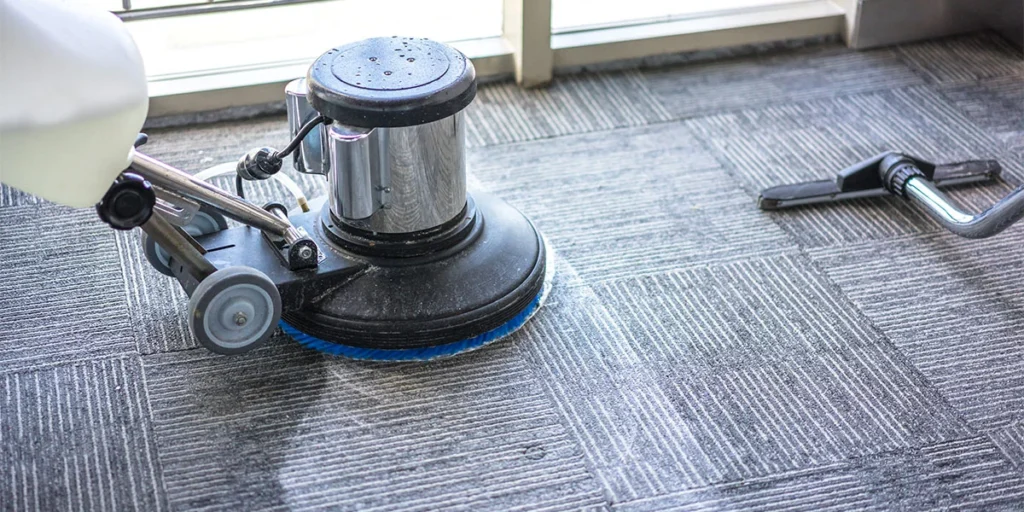
Beyond routine vacuuming and spot treatment, carpets benefit from a full deep clean at least once or twice a year — more frequently in homes with children, pets, or heavy foot traffic.
Using a Carpet Cleaning Machine
Renting or purchasing a carpet cleaning machine (also called a hot water extractor or steam cleaner) is the most effective way to deep clean carpet fibers at home. These machines inject hot water and cleaning solution deep into the pile and then extract the dirty water back out, pulling embedded grime with it.
Before you start, vacuum the entire area thoroughly. Move furniture out of the room or use plastic wrap around furniture legs to prevent rust stains from metal components touching the wet carpet.
Fill the machine’s tank with hot water and the recommended amount of carpet cleaning solution. Work in slow, overlapping passes across the room, moving from the far corner toward the doorway so you are never walking on already-cleaned carpet. Make at least two passes in opposite directions for maximum extraction.
After cleaning, the carpet will be damp. Open windows, run ceiling fans, and use a dehumidifier if available. Allow the carpet to dry completely — usually six to twelve hours — before walking on it or replacing furniture. Walking on damp carpet compresses the fibers and can cause rapid re-soiling.
Dry Carpet Cleaning Methods
If you need to clean a carpet quickly without the drying time, dry cleaning methods offer a practical alternative. Dry carpet cleaning powder or compound is worked into the fibers with a brush, allowed to absorb dirt and oils over a short period, and then vacuumed away. While not as deeply effective as hot water extraction, dry cleaning refreshes carpets and reduces odors without any moisture.
This method is particularly useful for carpets in humid climates where drying is difficult, or for delicate carpet types that don’t tolerate water well.
Natural Carpet Cleaning Solutions That Actually Work
Many people prefer to avoid harsh chemicals in their homes, especially with young children or pets crawling on the carpet. The good news is that learning how to clean a carpet with natural ingredients is entirely practical for most routine needs.
White distilled vinegar diluted with equal parts water makes an effective all-purpose cleaner that tackles light stains and neutralizes odors. It’s safe on most synthetic carpets, though it should be used cautiously on wool or natural fibers. Baking soda is another powerhouse — sprinkle it liberally over the entire carpet, leave it overnight, and vacuum thoroughly in the morning for a noticeably fresher smell.
A paste made from equal parts baking soda and white vinegar can be applied directly to stubborn spots, allowed to bubble and dry, and then vacuumed away. While this isn’t a substitute for enzymatic cleaners on pet stains, it works well on general odors and light discoloration.
For a pleasant scent, add ten to fifteen drops of essential oil (lavender or tea tree work particularly well) to your baking soda before sprinkling. This leaves the room smelling clean and fresh after vacuuming.
Caring for Specific Carpet Types
Not every carpet is the same, and understanding your carpet’s construction helps you clean it safely and effectively.
Synthetic Carpets (Nylon, Polyester, Olefin)
Synthetic carpets are the most forgiving to clean and can handle most of the methods described above. Nylon, in particular, is highly resilient and responds well to hot water extraction. Polyester is slightly more prone to matting under heavy furniture but cleans easily with standard solutions.
Wool Carpets
Wool is a natural, luxurious fiber that requires more careful handling. Hot water extraction at high temperatures can cause wool to shrink or distort. Use lukewarm water, pH-neutral cleaning solutions, and avoid over-wetting. Many professional carpet cleaners recommend dry cleaning methods for wool to be safe.
Berber and Loop-Pile Carpets
These carpets can snag if a vacuum’s roller brush is set too aggressively. Use suction-only mode or adjust the height setting. Avoid over-scrubbing stains, which can pull loops out of the backing.
How to Keep Your Carpet Clean Between Deep Cleans
Knowing how to clean a carpet thoroughly is only half the battle. Maintaining cleanliness between full cleaning sessions is equally important and far less labor-intensive when done consistently.
Place quality doormats at every entry point to your home and encourage a no-shoes-indoors policy — or at least ask guests to remove footwear at the door. Studies have found that shoes track in a significant proportion of indoor dirt, pesticides, and bacteria from outside surfaces.
Address spills immediately rather than letting them sit. A stain that is treated within minutes is dramatically easier to remove than one that has dried and bonded with the fibers overnight.
Rotate furniture occasionally to redistribute foot traffic patterns and prevent uneven wear. Use furniture coasters under heavy legs to prevent permanent indentations.
Groom high-pile carpets with a carpet rake between vacuumings to lift crushed fibers and maintain an even, fluffy appearance. This small habit makes a surprising difference in how carpets look day to day.
When to Call a Professional Carpet Cleaner
There are situations where DIY methods, no matter how thorough, aren’t enough. Deeply embedded soiling, widespread mold or mildew, large-scale pet damage, and heavily soiled wall-to-wall carpet in a large home are all scenarios where professional-grade equipment and expertise deliver meaningfully better results.
The Institute of Inspection, Cleaning and Restoration Certification (IICRC) recommends professional carpet cleaning at least once every twelve to eighteen months for average households, and more frequently in homes with high traffic, allergies, or pets.
Professional hot water extraction machines operate at higher pressures and temperatures than consumer models, reaching deeper into the carpet pile and extracting more thoroughly. A certified technician also knows how to treat different fiber types, apply pre-treatments to heavy soiling, and use deodorizers that last far longer than home remedies.
Conclusion
Learning how to clean a carpet properly transforms one of the most overlooked aspects of home maintenance into a straightforward, empowering routine. It doesn’t require expensive equipment every time or hours of effort — it requires consistency, the right techniques, and a little knowledge about your specific carpet type.
Start with a reliable vacuuming habit, treat stains the moment they happen, and schedule a proper deep clean at least once a year. Your carpet will stay fresher, last longer, and contribute to a genuinely healthier home environment for everyone in it.
A clean carpet isn’t just about appearances. It’s about the air you breathe, the surfaces your family touches, and the long-term value of your home. With the guidance in this article, you now have everything you need to keep your floors looking their absolute best.
Frequently Asked Questions
Q1: How often should I deep clean my carpet?
For most homes, a full deep clean using a carpet cleaning machine is recommended every six to twelve months. Homes with pets, children, or allergy sufferers benefit from deep cleaning every three to four months. Regular vacuuming between deep cleans keeps the carpet in good condition and makes each deep clean more effective.
Q2: Can I use a steam cleaner on all types of carpet?
Steam cleaners work well on most synthetic carpets like nylon and polyester. However, they should be used cautiously or avoided entirely on wool, sisal, jute, and other natural fiber carpets, as excessive heat and moisture can cause shrinkage, distortion, or fiber damage. Always check your carpet’s care label and test a hidden area first.
Q3: What is the best way to remove old, dried stains from carpet?
Rehydrate the dried stain first by applying a small amount of cold water and letting it sit for a few minutes. Then treat it with a dish soap and water solution, blotting gently from the outside in. For stubborn stains, a commercial carpet stain remover or an enzymatic cleaner applied repeatedly over multiple sessions will gradually lift the residue. Patience and repeated treatment are usually more effective than aggressive scrubbing.
Q4: How do I get rid of carpet odors naturally?
Baking soda is the most effective natural odor eliminator for carpets. Sprinkle a generous, even layer across the entire carpet surface, allow it to sit for at least one hour (overnight for strong odors), and then vacuum thoroughly. For pet odors specifically, an enzymatic cleaner is necessary to break down the organic compounds causing the smell rather than simply covering it.
Q5: How long does carpet take to dry after deep cleaning?
Carpet typically takes six to twelve hours to dry fully after hot water extraction or steam cleaning, depending on the humidity, airflow, and thickness of the carpet. To speed drying, open windows, run ceiling fans, and use a dehumidifier or portable fan directed at the carpet. Avoid walking on the carpet until it is completely dry to prevent re-soiling and fiber matting.