
There is nothing quite as maddening as tiny flies hovering around your kitchen, buzzing over your houseplants, or mysteriously appearing every time you walk near the sink. If you have been desperately trying to get rid of gnats and feel like nothing is working, you are far from alone. These miniature pests are one of the most common household nuisances across the globe — and one of the most misunderstood.
The problem is that most people reach for the nearest spray can or try a random home remedy without first understanding what they are actually dealing with. Without identifying the right type of gnat and targeting the true source of the infestation, you will keep killing adults while new ones hatch and the cycle continues indefinitely. This guide changes that. By the time you finish reading, you will know exactly what gnats are, why they are in your home, and how to permanently get rid of gnats using proven, practical methods that tackle the root of the problem.
What Exactly Are Gnats — And Are They All the Same?
Most people use the word “gnat” as a blanket term for any tiny flying insect buzzing around the house. In reality, what we call gnats can be one of several distinct species — and this distinction matters enormously when choosing how to eliminate them.
The three most common types found in homes are fungus gnats, fruit flies, and drain flies. While they may look similar at a quick glance, their appearances, habits, and breeding environments are quite different. Treating for the wrong type wastes your time and leaves the infestation untouched.
Fungus Gnats
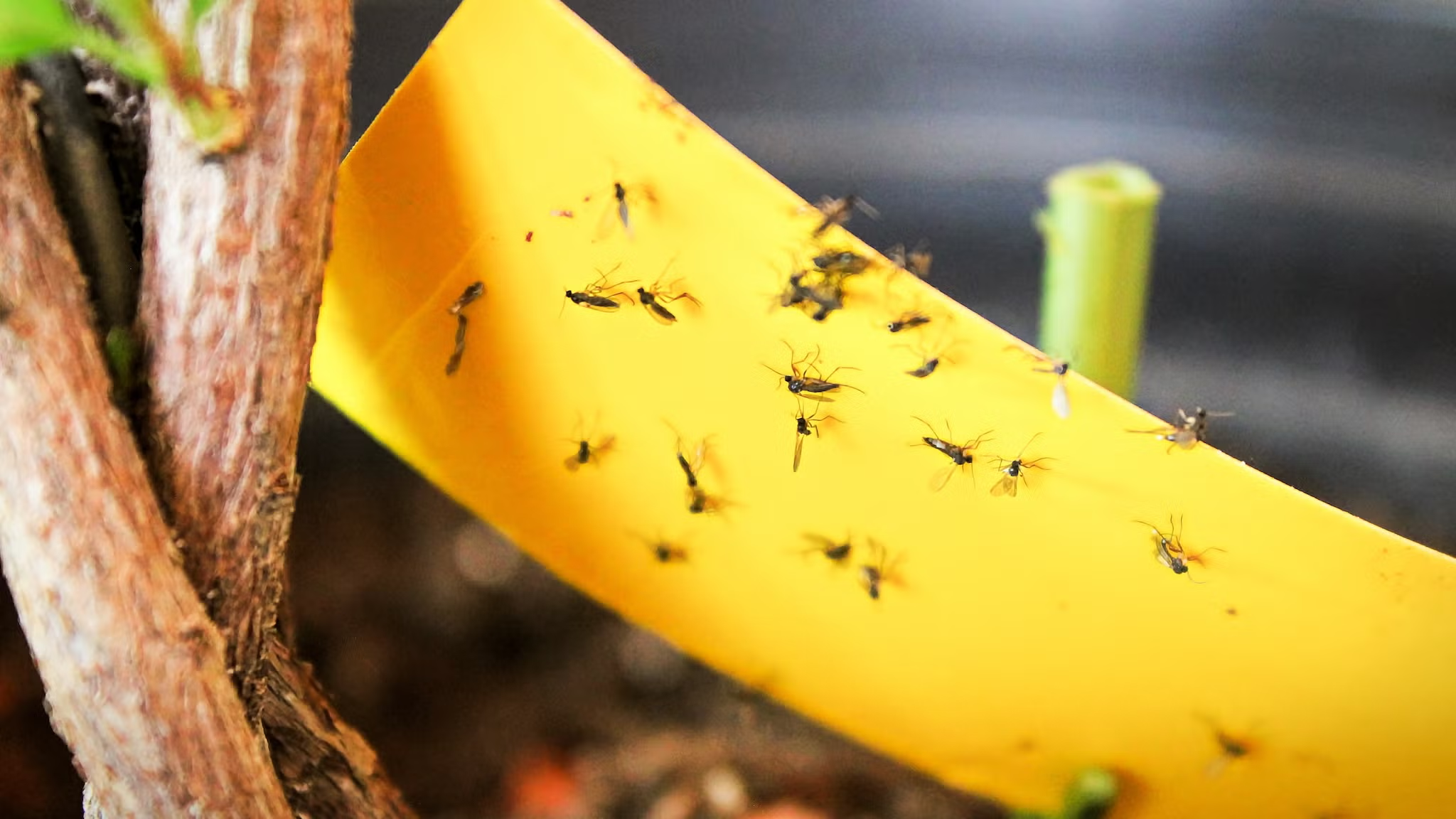
Fungus gnats are slender, dark-colored insects with long legs that give them a mosquito-like silhouette. They have small, black eyes and a distinctive Y-shaped vein pattern on their wings. Their flight is weak and erratic — you will often see them hovering just above the surface of potting soil rather than flying freely through the air. If tiny black flies scatter when you disturb a houseplant, fungus gnats are almost certainly your culprit.
These insects breed exclusively in moist soil and feed on the organic matter and fungi found in damp potting mix. Overwatered houseplants are the number one cause of fungus gnat infestations indoors. Their larvae live in the soil and can damage plant roots, making an untreated infestation harmful not just to your peace of mind but to your plants as well.
Fruit Flies
Fruit flies are slightly larger than fungus gnats and easy to identify by their rounded body shape and distinctive bright red or dark eyes. They are typically tan to light brown in color with striped abdomens. Unlike fungus gnats, fruit flies are quick and confident fliers — they take to the air immediately when disturbed rather than running across surfaces.
Fruit flies are drawn entirely to food sources. Overripe fruit left on the counter, sugary spills, fermenting liquids, garbage cans with residue, and dirty sink drains are all prime attractants. Their life cycle is astonishingly fast — a fruit fly can go from egg to adult in as little as eight to ten days, which is why a small handful can become a full-scale infestation within a couple of weeks if conditions remain favorable.
Drain Flies
Drain flies look distinctly different from both fungus gnats and fruit flies. They have fuzzy, moth-like wings and hairy bodies that give them a heart-shaped profile when resting. They are light gray or tan and tend to rest on bathroom or kitchen walls near drains rather than flying actively through the air. Their presence is a direct indicator of organic buildup inside your pipes.
These flies breed in the sludge and decomposing organic material that accumulates inside slow or partially clogged drains. They do not bite, but heavy infestations can spread bacteria from the drain to nearby surfaces and may trigger allergic reactions or aggravate asthma in sensitive individuals.
Understanding which of these three you are dealing with is the essential first step to successfully getting to get rid of gnats for good.
What Attracts Gnats to Your Home?
Before reaching for any solution, it helps to understand exactly what is drawing gnats into your living space in the first place. Gnats do not appear out of nowhere — they are always responding to specific conditions in your environment that signal food, moisture, and safe places to breed.
Moisture is the single most common attractant across all gnat types. Whether it is overwatered houseplant soil, standing water near a sink, a slow drain with organic buildup, or even excessive humidity in a bathroom, any source of consistent dampness creates an inviting environment for gnats to settle and multiply.
Decaying organic matter is the other major draw. Overripe or rotting fruit on the counter, food residue in drains and garbage disposals, damp coffee grounds left in an uncovered bin, and decomposing material in potting soil all serve as both food sources and breeding grounds. Once a small number of gnats identify these conditions in your home, they breed rapidly and the population escalates quickly.
Gnats can also enter homes from outside through gaps in window screens, open doors, or on newly purchased houseplants that are already carrying eggs or larvae in their soil. This is why quarantining new plants for a week or two before placing them near your other houseplants is a practice that experienced plant owners swear by.
How to Get Rid of Gnats: Targeted Solutions for Each Type
Now that you understand the different gnat species and what attracts them, it is time to move into action. The most effective approach combines immediate control measures with source elimination — because killing adult gnats without removing the breeding environment is a temporary fix at best.
Getting Rid of Fungus Gnats in Houseplants
The most important thing you can do to get rid of gnats living in your houseplants is to stop overwatering. Allow the top two inches of soil to dry out completely between waterings. Fungus gnat larvae cannot survive in dry soil, so removing excess moisture cuts off their entire lifecycle at the breeding stage. This single change, done consistently, is more effective than any trap or spray.
Beyond moisture management, yellow sticky traps placed just above the soil surface work extremely well for catching adult fungus gnats. These traps are non-toxic, inexpensive, and available at any garden center. They will not eliminate larvae, but combined with drying out the soil, they significantly reduce the adult population.
For more persistent infestations, watering your affected plants with a diluted hydrogen peroxide solution can be highly effective. Mix one part three-percent hydrogen peroxide with four parts water and apply it directly to the soil. The solution kills larvae on contact without harming the plant. You will notice a fizzing reaction — that is the hydrogen peroxide doing its work against organic material in the soil.
Bacillus thuringiensis var. israelensis (Bti) is a naturally occurring soil bacteria available in products like Mosquito Bits. When sprinkled on the soil surface or mixed into water for irrigation, it kills fungus gnat larvae biologically without any chemical toxins. This is widely regarded by entomologists as one of the safest and most effective long-term solutions for houseplant gnat infestations.
Getting Rid of Fruit Flies in the Kitchen
To effectively get rid of gnats of the fruit fly variety, the kitchen is where your focus needs to be. Start by eliminating every possible food source. Store all ripe fruit inside the refrigerator rather than on the counter. Wipe down all surfaces to remove sugary residue. Empty and clean your garbage can thoroughly, making sure the lid fits tightly. Rinse recyclable bottles and cans before placing them in the recycling bin, as even small amounts of residue attract fruit flies strongly.
Once the sources are controlled, set up a DIY apple cider vinegar trap to catch the adults already present. Place a few tablespoons of apple cider vinegar, a small spoonful of sugar, and a few drops of dish soap in a bowl or jar. The vinegar and sugar attract fruit flies by mimicking the scent of fermenting fruit, while the dish soap breaks the surface tension of the liquid so they sink when they land. Place the trap in areas where you have seen the most activity — near the fruit bowl, garbage can, or sink.
For fruit flies breeding in your drain, pour boiling water down the drain followed by a mixture of baking soda and white vinegar. The combination loosens organic buildup and denies fruit flies a breeding site. Doing this once a week as a routine maintenance habit can prevent drain-based infestations from taking hold in the first place.
Getting Rid of Drain Flies
Drain flies require a different approach because their breeding site is literally inside your pipes. The key is to clean the drain thoroughly enough to remove the organic sludge where they lay their eggs. Start by using a stiff drain brush or pipe cleaner to physically scrub the inside of the drain opening and remove accumulated buildup.
Follow this with an enzyme-based drain cleaner rather than a chemical bleach solution. Enzyme cleaners break down the organic matter that drain flies breed in without damaging your pipes or the environment. Pour the cleaner down the drain according to the product instructions, let it work overnight, and flush with warm water in the morning. Repeat this process every few days until the drain flies are gone.
A simple method to confirm whether your drain is the breeding site involves placing a piece of tape over the drain opening overnight, sticky side down. If you find tiny flies stuck to the tape the next morning, your drain is confirmed as the source — and you can focus your cleaning efforts accordingly.
Home Remedies to Get Rid of Gnats Naturally
Many homeowners prefer to get rid of gnats using natural, non-chemical solutions — especially in homes with children, pets, or a preference for eco-friendly practices. The good news is that some of the most effective gnat control methods are also the most natural ones.
A red wine trap works similarly to the apple cider vinegar method. Leave a nearly empty bottle of red wine near gnat activity. Gnats are attracted to the fermented scent and will crawl inside the narrow bottle neck, making it difficult to escape. The dish soap addition works here too — add a drop or two to increase its effectiveness.
Diluted bleach poured down kitchen and bathroom drains is a fast way to disrupt breeding sites, particularly for drain flies and fruit flies. Use sparingly and follow with a water flush to avoid pipe damage. Alternatively, for a gentler green-cleaning option that many homeowners now prefer, the baking soda and vinegar method achieves a similar effect without harsh chemicals.
Essential oils such as peppermint, eucalyptus, and lavender have been reported to repel gnats when diluted with water and sprayed around affected areas. While these are not reliable standalone solutions for established infestations, they can complement other treatments and serve as a deterrent once the main infestation is cleared.
Preventing Gnats From Coming Back
Successfully getting to get rid of gnats is only half the battle — keeping them gone is the other. Prevention requires building a few consistent habits that eliminate the conditions gnats depend on.
Keep your kitchen dry and clean at all times. Do not leave unwashed dishes in the sink overnight. Wipe down counters after cooking. Store fruit in sealed containers or the refrigerator. Take out kitchen trash regularly and always use a garbage can with a tight-fitting lid. Run your garbage disposal after every meal and avoid letting food residue sit in the drain.
For houseplants, let soil dry between waterings and always check new plants for signs of infestation before bringing them indoors. Use well-draining potting mixes and ensure your pots have adequate drainage holes so water does not pool at the bottom. Keeping a small yellow sticky trap in any plant-heavy area of your home allows you to catch gnats early before populations grow.
Repair any leaky pipes or faucets that create chronic moisture. Consider using a dehumidifier in particularly humid rooms. Install or repair window and door screens to reduce the number of gnats that can enter from outside. These preventative steps, practiced consistently, make your home fundamentally less hospitable to gnats — and that is the most reliable long-term protection available.
When to Call a Pest Control Professional
Most gnat infestations respond well to the methods described in this guide. However, if you have diligently addressed all moisture sources, cleaned your drains, treated your plants, and set traps — yet gnats continue to appear in significant numbers after two to three weeks — it may be time to consult a professional pest control service.
A trained technician can identify species that are harder to classify, locate breeding sites that are not immediately obvious such as moisture hidden behind walls or under flooring, and apply targeted treatments that go beyond what home remedies can achieve. Pest control companies like Orkin and Terminix offer gnat inspection and treatment services and can create customized control plans for persistent infestations. The decision to call a professional is not a defeat — it is simply the right next step when DIY solutions have reached their limit.
Conclusion
Gnats are persistent, fast-breeding, and endlessly frustrating — but they are not unbeatable. The key to permanently getting to get rid of gnats lies in identification first, source elimination second, and consistent prevention third. Spraying adult gnats without addressing the moisture or food source that sustains them is the mistake most people make, and it is why many people feel like nothing works.
Whether you are fighting fungus gnats in your houseplants, fruit flies hovering over your kitchen counter, or drain flies lurking near your bathroom sink, every one of these infestations has a clear, addressable cause. Address that cause, deploy the right solution for the right species, and build the simple daily habits that keep your home dry, clean, and unfavorable to gnats — and you will win this battle for good.
Your home belongs to you, not the gnats. Take it back, one informed step at a time.
Frequently Asked Questions About How to Get Rid of Gnats
Q1: What is the fastest way to get rid of gnats in the house?
The fastest way to get rid of gnats is to combine two actions simultaneously: set apple cider vinegar traps to kill adult gnats immediately, and remove the breeding source at the same time. For fruit flies, this means clearing out overripe fruit and cleaning sink drains. For fungus gnats, stop watering houseplants and let the soil dry out completely. Killing adults without removing the source only provides temporary relief, because new gnats will continue hatching from eggs already laid.
Q2: Why do I suddenly have so many gnats in my house?
A sudden gnat surge is almost always linked to a change in conditions in your home. Common triggers include bringing in new houseplants with infested soil, leaving fruit out to overripen during warm weather, a slow or partially clogged drain that has accumulated organic buildup, or accidentally overwatering plants. Warm temperatures speed up the gnat life cycle dramatically, which is why infestations seem to appear overnight — in reality, a small population has been quietly breeding and reached a visible threshold.
Q3: Do gnats go away on their own?
Gnats do not go away on their own as long as the conditions attracting them remain in place. They will continue to breed as long as there is moisture, organic matter, and warmth available. However, if you remove the food and breeding source — dry out the soil, clean the drains, store fruit properly — and the gnats have no new place to lay eggs, the existing adults will die off within a few days and the infestation will naturally end. The source removal is the critical step, not waiting them out.
Q4: Are gnats harmful to humans?
Most gnats found in homes do not bite humans and are not directly harmful. Fungus gnats and fruit flies are nuisance pests primarily. Drain flies can spread bacteria from the drain to surfaces and may aggravate asthma or allergies in sensitive individuals, but they do not bite. The more significant concern with gnats is indirect: fungus gnat larvae can damage the root systems of houseplants, and fruit flies can contaminate food with bacteria as they land on surfaces. Eliminating them promptly protects both your household health and your plants.
Q5: How do I get rid of gnats in houseplant soil permanently?
To permanently eliminate fungus gnats from houseplant soil, use a three-step approach. First, allow the soil to dry out completely between waterings — larvae cannot survive in dry soil. Second, apply a hydrogen peroxide and water solution (one part three-percent hydrogen peroxide to four parts water) directly to the soil to kill existing larvae. Third, use Bacillus thuringiensis var. israelensis (sold as Mosquito Bits) mixed into your watering routine to biologically control larvae long-term. Pair these treatments with yellow sticky traps above the soil to catch adult gnats, and the infestation will be eliminated within two to three treatment cycles.
How to Get Rid of Mice Humanely