
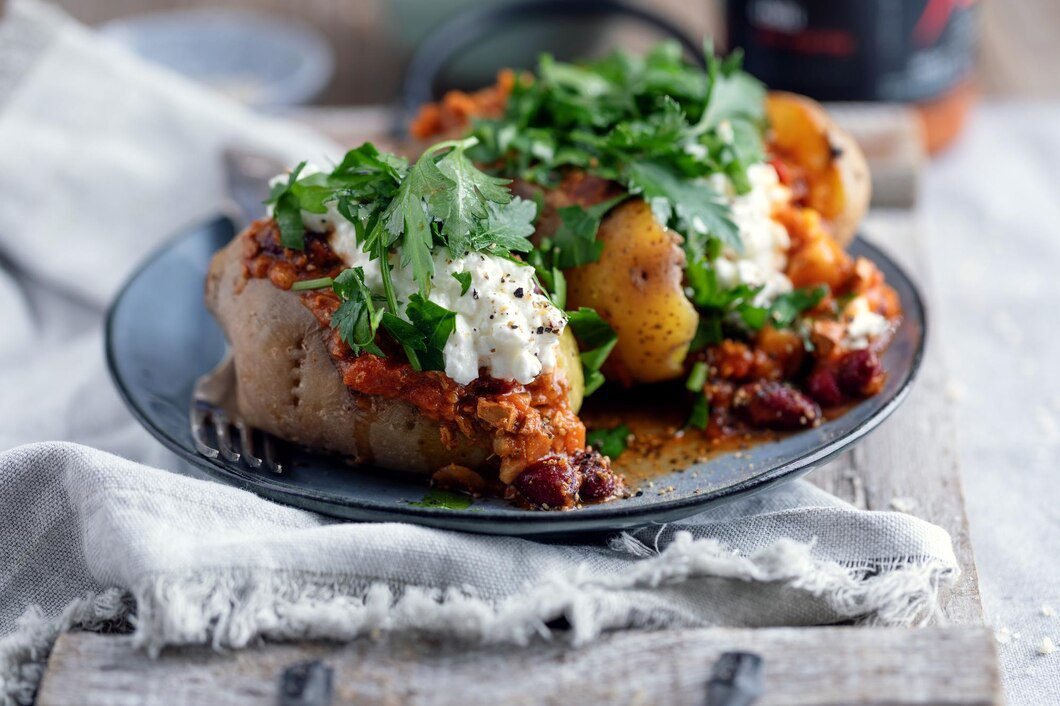
There is something deeply satisfying about a perfectly cooked baked potato — that fluffy, steamy interior that practically melts when you cut it open, ready to soak up whatever toppings you pile on top. For decades, the traditional method meant turning on the oven, waiting for it to preheat, then leaving the potato inside for a full hour. That is a long time to wait when hunger strikes and your schedule is already packed.
Here is the good news: you can make a genuinely delicious baked potato in the microwave oven in under fifteen minutes. Not a soggy, half-cooked compromise — but a properly tender, fluffy, satisfying result that rivals the oven-baked version in every way that matters for everyday cooking. This comprehensive guide walks you through everything from choosing the right potato to getting the skin just right, loading it with toppings, and understanding the nutrition that makes this humble vegetable one of the most underrated powerhouses in your kitchen.
Whether you are cooking for yourself on a busy weekday or feeding a family that wants something hearty and fast, the microwave baked potato is about to become one of your most reliable go-to meals.
Why Make a Baked Potato in the Microwave?
Before diving into the method, it is worth addressing the question that potato purists always ask: why use the microwave at all when the oven produces such great results?
The honest answer is time and practicality. A conventional oven requires an hour at 400°F (200°C) to properly bake a large russet potato. Your microwave achieves the same internal result — a soft, fully cooked interior — in roughly five to ten minutes depending on the size. That is a time savings of nearly fifty minutes, and it also means you are not heating up your entire kitchen, which matters especially during summer months.
Microwave cooking also uses significantly less energy than running a full oven, which is both cost-effective and environmentally friendlier for single-serving meals. And for anyone who just needs a quick, nutritious base for a meal — topped with chili, broccoli and cheese, or simply butter and salt — the speed and simplicity of the microwave method is impossible to argue with.
If crispy skin is your priority, there is also a hybrid approach that gives you the best of both worlds: start the baked potato in the microwave and finish it briefly in the oven or air fryer. More on that technique later.
Choosing the Right Potato for Microwave Baking
Not all potatoes are created equal when it comes to baking, and the variety you choose has a significant impact on your final result. The baked potato experience most people know and love — with a thick, slightly crispy skin and a light, fluffy interior — depends almost entirely on using the right type of potato.
The Russet Potato: The Gold Standard
The russet potato is universally regarded as the best potato for baking, whether in an oven or microwave. Russets are high in starch and low in moisture, which is exactly what creates that signature fluffy, dry texture when cooked. Their thick skins hold up well under heat and develop a pleasantly firm exterior even in the microwave.
When shopping, look for a russet potato that feels firm and heavy for its size with no soft spots, green patches, or sprouting eyes. A medium-to-large russet — roughly the size of your fist — is ideal for a single-serving baked potato. Too small, and it cooks unevenly. Too large, and you will need more time and careful checking to ensure the center is fully cooked.
Other Varieties Worth Considering
While russets are the classic choice, Yukon Gold potatoes also microwave beautifully and produce a creamier, slightly buttery interior that many people prefer. Their skins are thinner than russets, so the texture is a bit different, but they are an excellent option if that is what you have on hand.
Sweet potatoes are another wonderful candidate for microwave baking. They cook even faster than russets due to their lower starch content, and they offer a naturally sweeter flavor profile with impressive nutritional credentials. If you are looking to expand your baked potato repertoire, a microwave sweet potato with a drizzle of olive oil and a sprinkle of cinnamon is worth trying.
Red potatoes and fingerlings are generally not recommended for baking because their waxy, high-moisture flesh does not fluff up the same way. They are better suited for roasting, boiling, or slicing into dishes where their firm texture is an advantage.
Step-by-Step: How to Make a Baked Potato in the Microwave Oven
Now for the method itself. This process is straightforward, but a few specific steps make the difference between a mediocre result and one that genuinely impresses.
Step One: Wash and Dry the Potato Thoroughly
Start by scrubbing your russet potato under cold running water with a vegetable brush or firm sponge to remove any dirt from the skin. Since you will be eating the skin — and since the skin is where much of the potato’s fiber, potassium, and vitamin B6 is concentrated — cleaning it properly matters both for taste and food safety.
After washing, pat the potato completely dry with a clean kitchen towel or paper towels. This step is more important than most recipes acknowledge. A wet potato will create excess steam in the microwave, which can make the skin soft and slightly rubbery rather than pleasantly firm. Drying the surface properly is one of the simplest ways to improve your microwave baked potato results.
Step Two: Pierce the Potato All Over
Using a fork, poke the potato firmly all over — at least eight to ten times on all sides, including both ends. Do not skip this step. When a potato heats in the microwave, the moisture inside converts to steam rapidly. Without any outlet for that steam to escape, pressure builds inside the potato and it can literally burst in your microwave. This is as messy as it sounds and far less enjoyable than the meal you were hoping for.
Each fork hole provides a small vent through which steam can release during cooking, keeping the pressure from building to a dangerous level. Make the holes deep and distribute them evenly around the entire potato for the best results.
Step Three: Season the Skin
Rub the entire surface of the potato lightly with olive oil or softened butter. This step helps prevent the skin from becoming dry, wrinkled, or leathery during the microwave cooking process. The fat also carries flavor, making even the skin worth eating.
After the oil, season generously with kosher salt and freshly ground black pepper. Press the salt into the skin slightly so it adheres rather than simply falling off. Some home cooks also add garlic powder or smoked paprika to the skin at this stage for an extra layer of flavor. The skin of a well-seasoned baked potato is one of its best features, and this preparation ensures it delivers on that promise.
Step Four: Microwave on High — And Flip Halfway
Place the seasoned potato on a microwave-safe plate and cook on high power for five minutes. When the timer goes off, use tongs or an oven mitt to carefully flip the potato over — it will be hot. Cook for an additional three to five minutes on high, depending on the size of your potato.
The reason for flipping is simple physics: microwave energy does not distribute perfectly evenly, and the bottom of the potato can overcook while the top remains underdone if left in one position throughout. Flipping ensures both sides receive equal exposure to the microwave’s energy and the result is more evenly cooked throughout.
After the second cooking period, test the potato by inserting a fork, skewer, or paring knife into the thickest part of the center. It should slide in easily and the potato should feel soft all the way through. If there is any resistance, return the potato to the microwave and cook in one-minute increments, testing after each until it is fully tender.
For two potatoes, arrange them on the plate so they are not touching each other and increase the total cooking time to approximately ten to twelve minutes, still flipping halfway through.
Step Five: Rest, Then Open
Once your baked potato has reached the right tenderness, remove it from the microwave and let it rest for one to two minutes before cutting. This brief rest allows the internal steam to redistribute evenly and the potato to finish cooking from residual heat. It also makes the potato slightly safer to handle and easier to open cleanly.
Using a sharp knife, slice a lengthwise cut down the center of the top without cutting all the way through, then make a perpendicular cut across the middle to create a cross shape. Push the ends of the potato firmly inward from both sides — the center will push up and fluff outward, creating that characteristic open, loaded look. Run a fork through the interior flesh to loosen it further, which creates a better texture and makes it easier for toppings to blend in.
The Hybrid Method: Crispy Skin Without the Wait
If there is one genuine limitation of the pure microwave method, it is skin texture. Microwave-only baked potatoes have soft skin, which is perfectly fine for most purposes. But if you want that satisfying crunch that makes a restaurant-style baked potato so memorable, the hybrid method is your answer.
After microwaving the potato until fully tender, transfer it immediately to a preheated oven at 425°F (220°C) or to an air fryer at the same temperature. Brush the skin lightly with additional olive oil and place it directly on the oven rack or in the air fryer basket. Bake or air fry for just five to ten minutes, checking every couple of minutes until the skin is dry, golden, and crisped to your preference.
This combination approach delivers everything you want — the time savings of microwave cooking for the interior and the textural satisfaction of oven-crisped skin on the outside. The total cooking time is still well under thirty minutes, which is significantly faster than a full oven bake.
Topping Ideas for Your Microwave Baked Potato
Half the pleasure of a baked potato is the topping experience. The hot, fluffy interior acts as a perfect canvas for an enormous range of flavors and textures, from classic comfort combinations to lighter, nutritionist-approved alternatives.
The timeless combination of butter, sour cream, shredded cheddar cheese, and chives remains the gold standard for good reason. The richness of the butter and sour cream contrasts beautifully with the natural earthiness of the potato, and the cheese adds a savory, melty layer that makes the whole thing deeply satisfying.
For a heartier meal, homemade chili ladled over a split baked potato is a complete dinner on its own. The combination of protein, fiber, and complex carbohydrates from both the chili and the potato keeps you full for hours and is far more nutritious than many faster meal options.
For lighter options, consider plain Greek yogurt in place of sour cream — it provides a similar creamy tang with more protein and fewer calories. Steamed broccoli and a sprinkle of nutritional yeast is another popular choice. Black beans, corn, salsa, and a squeeze of lime create a Tex-Mex inspired topping that is both vibrant and filling. Fresh herbs like parsley, dill, or chives brighten the flavor considerably.
The versatility of the microwave baked potato is precisely what makes it such a valuable recipe to have in your rotation.
Nutritional Value of a Baked Potato
Understanding what you are eating is part of making better food choices, and the baked potato has a genuinely impressive nutritional profile that is often underestimated.
According to data from the USDA and nutrition researchers, a medium-sized baked russet potato with skin — approximately 173 grams — delivers around 168 calories, 37 grams of complex carbohydrates, 4.5 grams of protein, and 3.8 grams of dietary fiber. It is naturally fat-free, cholesterol-free, gluten-free, and very low in sodium.
The mineral content is particularly noteworthy. A single medium baked potato provides approximately 926 milligrams of potassium, which represents about 26 percent of the daily recommended intake for most adults. Potassium is essential for healthy blood pressure regulation, proper muscle function, and heart health. According to WebMD, potassium-rich diets have been associated with lower risk of stroke and improved cardiovascular outcomes.
The same potato also provides around 27 milligrams of vitamin C — roughly 30 to 45 percent of the daily recommended value — along with meaningful amounts of vitamin B6, magnesium, iron, and folate. Eating the skin dramatically increases the fiber, potassium, and B vitamin content compared to eating only the flesh, which is another strong argument for keeping the skin on and seasoning it well.
The key to keeping a baked potato nutritious is mindful topping choices. The potato itself is a whole food with real nutritional value. Piling on excessive butter, full-fat sour cream, and bacon can shift the caloric balance significantly, so being thoughtful about toppings keeps this a genuinely healthy meal.
Storing and Reheating Leftover Baked Potatoes
If you make more baked potatoes than you need in one sitting, storing them properly ensures they remain safe and delicious for later. Allow the potato to cool completely, then wrap it loosely in aluminum foil or place it in an airtight container. Stored this way in the refrigerator, leftover baked potatoes keep well for up to four days.
When reheating, the FDA recommends bringing leftovers to an internal temperature of 165°F. You can reheat a leftover baked potato in the microwave by slicing it open, placing it cut-side down on a damp paper towel on a microwave-safe plate, and heating on medium-high for two to three minutes. Alternatively, wrapping it in foil and placing it in a 350°F oven for fifteen to twenty minutes restores more of the original texture.
One important safety note: never store a baked potato wrapped tightly in foil at room temperature. When foil prevents air circulation around a warm potato, it creates conditions favorable for Clostridium botulinum — the bacteria responsible for botulism. Always unwrap and refrigerate promptly if you are not eating the potato right away.
Conclusion
The microwave baked potato is one of those genuinely great cooking discoveries that improves your daily life in small but meaningful ways. It is fast, affordable, nutritious, endlessly versatile, and — when prepared with a little care — absolutely delicious. The steps are simple: choose a good russet, wash and dry it thoroughly, poke it generously, season the skin, cook and flip, rest and open. Ten minutes from fridge to table.
Whether you top your baked potato simply with butter and salt or load it up with chili, cheese, and everything in between, the result is a satisfying, wholesome meal that fits into almost any diet and schedule. And if you want that crispy restaurant-style skin, the five-minute oven or air fryer finish takes it to the next level without sacrificing the time savings that make the microwave method worthwhile in the first place.
Give this method a try tonight — and you will find yourself wondering why you ever spent a full hour waiting for the oven.
Frequently Asked Questions About Microwave Baked Potatoes
Q1: How long does it take to cook a baked potato in the microwave?
For one medium-sized russet potato, microwave on high for five minutes, then flip and cook for an additional three to five minutes. Total time is typically eight to ten minutes depending on the size of the potato and the wattage of your microwave. Larger potatoes or multiple potatoes require more time — two potatoes take approximately ten to twelve minutes total. Always test for doneness by inserting a fork or knife into the center; it should slide in smoothly with no resistance.
Q2: Do you have to poke holes in a potato before microwaving it?
Yes, absolutely — this step is non-negotiable. When a potato heats rapidly in the microwave, the moisture inside converts to steam very quickly. Without fork holes to allow steam to escape, pressure builds up inside the potato until it can explode. Exploding potatoes are messy, potentially dangerous, and genuinely disappointing when you are hungry. Poke the potato at least eight to ten times all over with a fork before placing it in the microwave. It takes ten seconds and prevents a significant mess.
Q3: Why does my microwave baked potato come out hard or undercooked in the middle?
An undercooked center is almost always the result of insufficient cooking time, an oversized potato, or a lower-wattage microwave. Most microwave recipes are written for 1,000-watt models — if yours is lower, you will need to add more time. For large potatoes, start with the recommended time and then add extra time in one-minute increments, testing after each addition. Also, make sure you are flipping the potato halfway through cooking, as this promotes more even heat distribution and prevents the outside from overcooking while the center lags behind.
Q4: How do I get crispy skin on a microwave baked potato?
The microwave alone will not crisp potato skin — that requires dry, high heat. For crispy skin, microwave the potato until fully cooked, then transfer it immediately to a preheated oven at 425°F (220°C) or an air fryer at the same temperature. Brush the skin lightly with olive oil and cook for five to ten minutes until the skin is dry, golden, and crisp to your preference. This hybrid method gives you a fluffy interior with satisfyingly crispy skin in under thirty minutes total — significantly faster than a full oven bake.
Q5: Is a microwave baked potato healthy?
Yes — a plain baked potato is one of the most nutritious ways to eat this vegetable. A medium russet baked potato with the skin provides approximately 168 calories, 37 grams of complex carbohydrates, 4.5 grams of protein, 3.8 grams of fiber, and significant amounts of potassium, vitamin C, vitamin B6, and magnesium. It is naturally fat-free, cholesterol-free, gluten-free, and low in sodium. The nutritional quality of your finished baked potato depends largely on your toppings — keeping them moderate or choosing lighter alternatives like Greek yogurt, fresh herbs, or vegetables preserves the potato’s impressive health profile.
How to Make a Cappuccino at Home