
Introduction: The Fruit That Looks Like Fantasy and Tastes Like Paradise
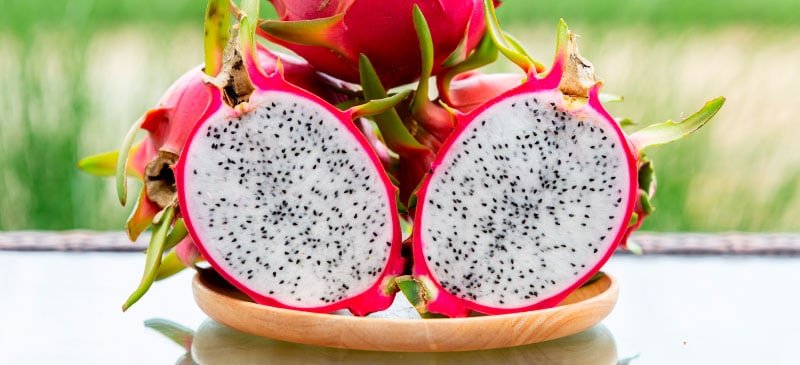
There is something genuinely theatrical about a dragon fruit. Its hot-pink or yellow skin covered in dramatic green-tipped scales looks like it belongs in a fairy tale rather than a grocery store. And when you slice it open, the contrast of that vivid exterior with its white or deep magenta interior speckled with tiny black seeds is nothing short of stunning. It is one of the most visually impressive foods in the world.
Yet despite its exotic appearance, dragon fruit is becoming an increasingly common sight in supermarkets, farmers’ markets, and health food stores around the globe. More people than ever are curious about it — drawn in first by its dramatic looks, then captivated by its refreshing, mildly sweet flavor and impressive nutritional profile. The challenge many first-time buyers face is simple: once you get it home, how exactly do you cut it?
Cutting a dragon fruit is genuinely easy once you know what you are doing, but there is more to it than just hacking it in half. Knowing how to select a ripe one, which cutting techniques give you the best results for different uses, how to serve it beautifully, and how to store what you do not use immediately — all of that makes the difference between a frustrating first experience and a love affair with one of nature’s most remarkable fruits.
This guide covers all of it. Whether you are preparing dragon fruit for a smoothie bowl, a fruit platter, a tropical salsa, or just a simple afternoon snack, you are about to learn everything you need to get it right every single time.
What Is Dragon Fruit and Why Is Everyone Talking About It?
Before getting into the cutting techniques, it is worth understanding what dragon fruit actually is, because it is a more interesting plant than most people realize. Dragon fruit is the fruit of a cactus — specifically several species in the genus Hylocereus, native to Central America but now grown extensively throughout Southeast Asia, where it has become a cultural and culinary staple.
The fruit goes by several names depending on where in the world you are. In many Asian countries it is called pitaya or pitahaya. In Vietnam, where it is enormously popular and widely cultivated, it is known as thanh long. Regardless of what you call it, the fruit comes in a few distinct varieties, the most common being white-fleshed with pink skin, red-fleshed with pink skin, and yellow-fleshed with yellow skin.
Each variety has a slightly different flavor profile and sweetness level. The white-fleshed variety is the mildest, with a delicate sweetness often compared to a blend of pear and kiwi. The red-fleshed variety tends to be slightly sweeter and more richly colored. The yellow variety, which has a tougher exterior skin, is considered by many growers and chefs to be the sweetest of all.
Understanding which variety of dragon fruit you have will inform how you approach cutting and serving it, though the fundamental technique is consistent across all types.
How to Pick a Ripe Dragon Fruit at the Store
The quality of your cutting experience — and more importantly, your eating experience — begins with selecting the right fruit. A perfectly ripe dragon fruit is a completely different experience from an underripe one, which tends to be bland and starchy, or an overripe one, which can be mushy and fermented in flavor.
When choosing a dragon fruit, start by looking at the skin. The color should be vibrant and even — a rich, bright pink or yellow depending on the variety. Avoid fruit with large areas of brown or black discoloration, which can indicate bruising or rot beneath the skin.
Next, gently squeeze the fruit with your palm. A ripe dragon fruit should give slightly to gentle pressure, similar to a ripe avocado or mango. It should not feel rock hard, which indicates underripeness, nor should it feel squishy or overly soft, which suggests it has gone past its peak.
Pay attention to the green tips of the scales on the skin. On a perfectly ripe dragon fruit, those tips may be starting to brown slightly, which is a normal sign of ripeness and not a cause for concern. However, if most of the scales are heavily brown and shriveled, the fruit may be overripe.
A ripe dragon fruit at room temperature should be used within one to two days. If you are buying fruit that is still slightly firm, leaving it on the counter for a day or two will allow it to ripen further before cutting.
What You Need to Cut Dragon Fruit
One of the best things about preparing dragon fruit is how minimal the equipment requirements are. You do not need specialized tools or advanced kitchen skills. A sharp chef’s knife or a serrated fruit knife works perfectly. A clean cutting board, a large spoon, and optionally a small cookie cutter or melon baller for decorative presentations are all you might want to have on hand.
The sharpness of your knife matters more than its size. A dull knife will drag and crush the flesh rather than slicing cleanly through it, which affects both the aesthetics of the cut pieces and the texture of the fruit. Taking a moment to use a sharp, clean blade will make the entire process smoother and more satisfying.
How to Cut a Dragon Fruit: The Core Techniques
The Classic Halving Method
The simplest and most versatile way to cut dragon fruit begins with halving the fruit lengthwise from top to bottom. Place the fruit on your cutting board and use a confident, even stroke to slice straight through the center. The skin is not particularly tough, and the interior is soft, so this should require minimal effort with a sharp knife.
Once you have two halves, you have options. The first and perhaps most satisfying is to simply eat it directly from the skin using a spoon, scooping the flesh out in large bites much like you would eat a grapefruit. This is a wonderfully easy approach when you are eating the fruit alone and presentation is not a priority.
For a slightly more refined presentation, use a large spoon to scoop the entire flesh from each half in one piece, then place the flesh cut-side down on the cutting board and slice it into even half-moon pieces. These can be arranged beautifully on a serving plate and make an impressive addition to any fruit platter.
The empty skin halves can even be used as natural serving bowls for fruit salad, smoothie bowls, or sorbet — a presentation technique that never fails to impress guests and makes the most of the dragon fruit’s dramatic natural appearance.
Cutting Dragon Fruit into Cubes and Chunks
If you need dragon fruit pieces for a fruit salad, tropical salsa, smoothie bowl topping, or yogurt parfait, cutting the fruit into cubes is the way to go. Start with the halving method described above, then use your spoon to scoop the flesh from each half in one piece. This gives you two oval slabs of dragon fruit flesh to work with.
Place each slab flat on the cutting board. Make a series of even parallel cuts lengthwise across the slab, then rotate 90 degrees and make another series of parallel cuts to create a grid pattern. The result is uniform cubes of dragon fruit that are easy to portion, mix with other ingredients, or use as a topping.
The size of your cubes can be adjusted based on the intended use. Larger chunks work beautifully in a fruit salad where the dragon fruit is a featured ingredient. Smaller, more finely diced pieces are ideal for a tropical salsa alongside mango, red onion, cilantro, and lime, or for stirring into overnight oats.
Cutting Dragon Fruit into Slices and Rounds
For elegant plating, a charcuterie board, or a smoothie bowl arrangement, slicing dragon fruit into rounds creates the most visually striking presentation. To achieve this, place the fruit on its side on the cutting board rather than cutting it lengthwise. Slice straight down through the fruit in even cross-sections to create circular rounds, each with the skin forming a vibrant ring around the white or red interior.
These rounds can be served as is with the skin on, or the skin can be peeled away from each individual round using a small paring knife before plating. Round slices of dragon fruit laid out on a white plate look spectacular and require almost no culinary skill to achieve.
Using Cookie Cutters for Decorative Shapes
If you are preparing dragon fruit for a special occasion, a children’s party, or simply want to add a creative flourish to your presentation, small cookie cutters can be pressed into thick slices of the flesh to create stars, hearts, flowers, or any shape your cutter collection includes.
Start by slicing the fruit into rounds or scooping and slicing the flesh into flat slabs. Use a cookie cutter of your chosen shape and press firmly through the flesh. The pieces that remain after cutting can be blended into smoothies or eaten immediately. This technique works beautifully for decorating smoothie bowls and adds a playful, professional touch to any spread.
How to Remove the Skin from Dragon Fruit
The skin of dragon fruit is not edible, so regardless of which cutting technique you use, the skin needs to be removed before eating the flesh. The good news is that the skin peels away from the flesh quite easily when the fruit is ripe.
After halving the fruit, you can peel the skin away from the flesh by hand in large strips, working from the top down, much like peeling a banana. Alternatively, after scooping the flesh out with a spoon, any remaining pink or yellow residue from the skin that clings to the edges of the flesh can be trimmed away with a paring knife.
The skin of dragon fruit is not toxic, but it has a somewhat bitter, waxy taste and tough texture that makes it unpleasant to eat raw. Some culinary traditions do use dragon fruit skin in teas or as a natural food coloring, but for everyday purposes, it is simply discarded or composted.
Nutritional Benefits of Dragon Fruit
Beyond its beautiful appearance and refreshing taste, dragon fruit earns its superfruit designation through a genuinely impressive nutritional profile. According to Healthline, dragon fruit is rich in vitamin C, which supports immune function and skin health. It also provides meaningful amounts of iron, magnesium, and dietary fiber.
The tiny black seeds distributed throughout the flesh are edible and actually contribute a small amount of healthy fatty acids, including omega-3 and omega-6. The fruit is relatively low in calories — a one-cup serving contains roughly 60 to 80 calories — making it an excellent addition to a health-conscious diet.
Dragon fruit is also rich in antioxidants, particularly betacyanins in the red-fleshed varieties, which are the same compounds that give beets their distinctive deep color. These antioxidants help protect cells from oxidative stress, which is associated with chronic disease and aging, according to research published through the National Institutes of Health.
How to Store Dragon Fruit After Cutting
Once you have cut your dragon fruit, proper storage ensures the remaining flesh stays fresh and flavorful. Uncut dragon fruit can be stored at room temperature for up to two days if it is ripe, or in the refrigerator for up to two weeks if it is slightly underripe.
Once cut, place the leftover flesh in an airtight container and refrigerate. Cut dragon fruit keeps well in the refrigerator for up to three days, though it is best enjoyed within the first day or two for optimal freshness and texture. Covering cut pieces with plastic wrap pressed directly against the flesh will help slow oxidation and maintain the color.
For longer storage, dragon fruit freezes exceptionally well. Cut the flesh into cubes, spread them in a single layer on a parchment-lined baking sheet, and freeze until solid before transferring to a zip-lock freezer bag. Frozen dragon fruit is ideal for smoothies and smoothie bowls and will keep for up to three months.
Creative Ways to Use Dragon Fruit in Your Kitchen
Smoothies and Smoothie Bowls
Dragon fruit is one of the most popular smoothie bowl bases and ingredients precisely because of its visual impact and mild, adaptable flavor. Blended with frozen banana and coconut milk, it creates a creamy, vibrant base that can be topped with granola, fresh berries, sliced kiwi, and a drizzle of honey for a breakfast bowl that looks as good as it tastes.
For smoothies, dragon fruit pairs well with mango, pineapple, banana, and citrus. The relatively mild flavor of the white-fleshed variety means it blends harmoniously with stronger-flavored fruits, while the red-fleshed variety adds both flavor depth and a stunning deep pink color to any blend.
Tropical Fruit Salads and Salsas
Diced dragon fruit brings a beautiful pop of color and a refreshing textural element to tropical fruit salads. It pairs naturally with mango, papaya, kiwi, pineapple, and citrus, and benefits from a squeeze of lime juice and a sprinkle of chili salt for a preparation that is popular across Southeast Asia and increasingly in Western cuisine.
A dragon fruit salsa made with diced red onion, jalapeño, cilantro, lime juice, and salt is a versatile condiment that works beautifully with grilled fish, chicken tacos, or simply as a fresh dip with tortilla chips.
Conclusion: Cutting Dragon Fruit Is Easier Than It Looks
Once you understand the simple mechanics behind preparing dragon fruit, what initially seemed like an intimidating exotic fruit becomes one of the most enjoyable and rewarding things you can work with in the kitchen. The skin is easy to remove, the flesh is soft and forgiving, and the visual payoff of a beautifully cut dragon fruit on a plate or in a bowl is immediate and impressive.
Whether you prefer the simplicity of scooping the flesh straight from the halved fruit with a spoon, the practicality of even cubes for a fruit salad, the elegance of round cross-section slices for plating, or the playfulness of cookie-cutter shapes for a special occasion, dragon fruit adapts to your needs with ease.
Give it a try the next time you spot one at the market. Choose it carefully, let it ripen to just the right softness, slice it open with a sharp knife, and enjoy the moment when that extraordinary interior is revealed. Once you experience a perfectly ripe dragon fruit prepared well, it will earn a permanent place in your kitchen repertoire.
Frequently Asked Questions About Dragon Fruit
Q1: Do you eat the skin of a dragon fruit?
No, the skin of dragon fruit is not eaten in the traditional culinary sense. It has a bitter, waxy texture that is unpleasant to eat raw, and its tough consistency makes it very different from the soft, edible flesh inside. The skin is completely non-toxic, and some cultures use it in herbal teas or as a natural food coloring, but for everyday purposes it is simply peeled away and discarded after cutting. Only the white, red, or yellow flesh inside — along with the tiny embedded black seeds, which are entirely edible — is consumed.
Q2: How do you know when a dragon fruit is ripe enough to cut?
A ripe dragon fruit should have vibrant, evenly colored skin without large brown or black patches, give slightly when gently squeezed (similar to a ripe avocado), and have scale tips that may be very slightly browning at the ends. If the fruit feels rock hard, it needs more time to ripen. Leave it at room temperature for one to two more days before cutting. If it feels very soft and mushy, it may be overripe, though slightly overripe dragon fruit can still be blended into smoothies.
Q3: Can you eat the black seeds inside a dragon fruit?
Yes, the small black seeds inside dragon fruit are completely edible and safe to eat. They have a very mild, slightly nutty flavor and a soft texture that is barely noticeable when eating the fruit. The seeds are actually nutritious — they contain healthy omega-3 and omega-6 fatty acids. There is no need to remove them before eating, and doing so would be extremely impractical given how many seeds are distributed throughout the flesh.
Q4: How long does cut dragon fruit last in the refrigerator?
Cut dragon fruit stored in an airtight container in the refrigerator will stay fresh for up to three days, though it is best enjoyed within the first one to two days for optimal taste and texture. To slow oxidation and help the cut pieces retain their color and freshness, press a layer of plastic wrap directly against the surface of the flesh before sealing the container. For longer storage, freeze cut dragon fruit cubes for up to three months.
Q5: What does dragon fruit taste like?
Dragon fruit has a mild, refreshing, mildly sweet flavor that is often described as a cross between kiwi and pear, with a subtle hint of watermelon. The white-fleshed variety is the mildest and most delicate in flavor. The red-fleshed variety is slightly sweeter and more flavorful. The yellow-skinned variety is considered the sweetest of all three. All varieties have a high water content, which gives the flesh a juicy, refreshing quality that makes it particularly enjoyable in warm weather or in tropical preparations.
How to Check Oil Level in Your Car with a Dipstick
How to Ask for a Raise: Complete Guide for 2026