
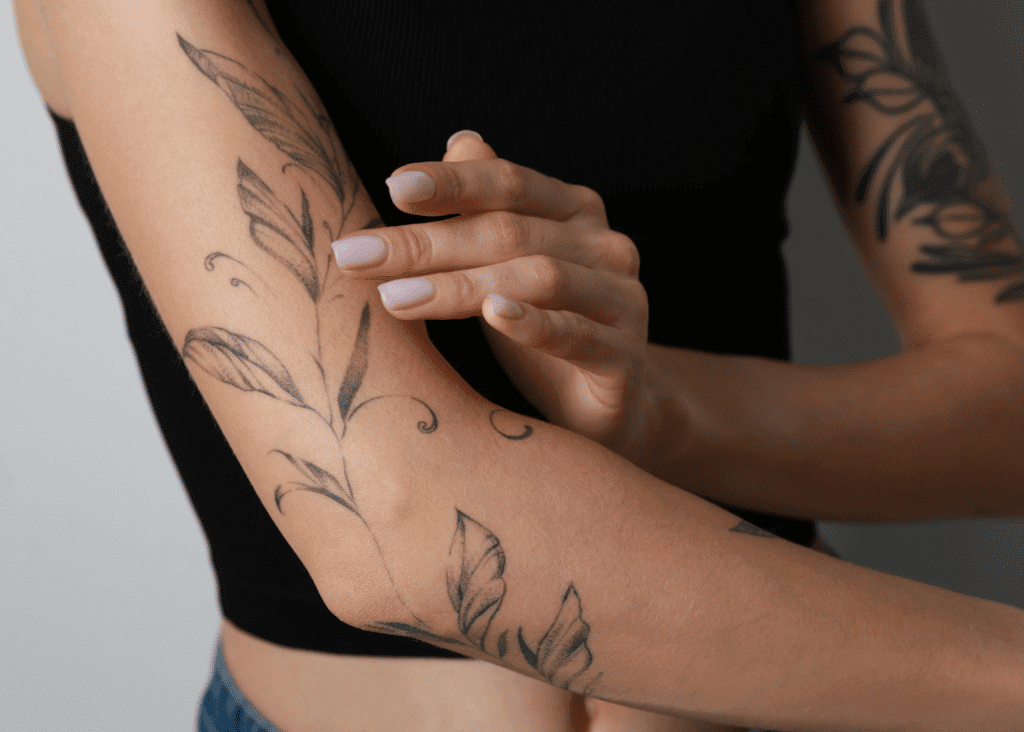
The Healing Journey Begins the Moment You Leave the Studio
Getting a tattoo is one of the most personal and permanent decisions a person can make. You have chosen your design, found the right artist, and sat through the session — now you are walking out with fresh ink wrapped in a bandage, buzzing with excitement and probably a little soreness. But the experience does not end when the needle stops. In many ways, it is only just beginning.
One of the most common questions new and even experienced tattoo collectors ask is how long it takes for a tattoo to heal. The honest answer is that it depends on several factors, and it happens in layers — both literally and figuratively. The surface of your skin may look healed within a couple of weeks, but the deeper layers of skin are still completing a complex biological repair process that takes considerably longer.
Understanding the full healing timeline is not just interesting trivia. It is genuinely important knowledge that affects how you care for your tattoo, when you can safely return to activities like swimming or intense exercise, and what warning signs to watch for that indicate something might be going wrong. This guide covers all of it, from day one to the final stage of deep skin healing, in a way that is practical, clear, and grounded in what actually happens beneath the surface of your skin.
Understanding the Two Layers of Tattoo Healing
Before diving into timelines, it helps to understand that when you are waiting for a tattoo to heal, you are actually waiting for two separate but related processes to complete.
The first is surface healing, which involves the outer layer of skin known as the epidermis. This is the layer you can see, and it typically completes its initial recovery within two to four weeks. During this time, your skin goes through a visible transformation involving redness, swelling, peeling, and the gradual settling of the tattoo’s color.
The second is deep healing, which involves the dermis — the layer of skin where tattoo ink is actually deposited by the needle. This deeper layer takes significantly longer to fully stabilize, often between three and six months. During this period, the tattoo may look slightly cloudy, dull, or uneven until the dermis fully settles and the ink locks into its permanent position.
This distinction matters because many people assume their tattoo to heal is complete once the peeling stops and the surface looks smooth. In reality, the most important healing is still happening below the surface, which is why aftercare and protection remain important well beyond those first few weeks.
The Week-by-Week Tattoo Healing Timeline
Week One: The Acute Phase
The first week after getting a tattoo is the most intense part of the healing process. Your body has essentially experienced a controlled wound, and it responds accordingly. During the first 24 to 72 hours, expect the tattooed area to be red, warm to the touch, swollen, and tender. Some oozing of plasma and excess ink is completely normal during this stage and is not a sign that anything is going wrong.
Your tattoo artist will have applied a bandage or protective wrap immediately after the session. Depending on whether they use traditional plastic wrap or a modern adhesive membrane like Saniderm, the instructions for when to remove it will vary. Traditional wrap is typically removed after a few hours, while adhesive membranes can be left on for several days.
During this first week, your skin begins forming a thin layer of scabbing over the tattooed area. This is a natural protective response and is part of how a tattoo to heal properly. Picking, scratching, or pulling at any scabs during this phase can pull ink out of the skin and lead to patchy healed results, so resisting the urge to touch it is critical.
Keeping the tattoo moisturized with a gentle, fragrance-free lotion or a dedicated tattoo aftercare product, washing it gently with mild soap twice a day, and protecting it from direct sunlight are the most important things you can do during week one.
Week Two: The Peeling and Itching Phase
By the second week, most tattoos will begin peeling — a process that looks alarming to first-timers but is completely normal. Think of it like a sunburn peeling: the dead outer cells are shedding as the underlying skin regenerates.
The peeling is often accompanied by itching, which is equally normal. The new skin forming underneath is sensitive and reactive, and the mild itching is a sign that the tattoo to heal process is progressing as it should. The golden rule here is to never scratch the tattoo. If the itching becomes unbearable, gently patting the area with clean hands can provide relief without damaging the healing skin.
Some people notice that their tattoo looks duller or faded during this phase, which can be alarming. This is caused by a thin layer of regenerating skin forming over the ink, which creates a slightly milky or washed-out appearance. This is temporary. As that new skin matures and becomes more transparent, the colors and lines of your tattoo will re-emerge with their intended vibrancy.
Weeks Three and Four: Surface Healing Completes
By the third and fourth weeks, the visible signs of healing — peeling, scabbing, redness, and swelling — should have largely resolved. Your tattoo to heal at the surface level is essentially complete at this stage for most people on most body parts.
The skin will feel smoother, the outline of the tattoo will look sharper, and the ink will appear more settled. You can begin to get a realistic picture of how the finished tattoo will look, though the colors may still appear slightly muted compared to how they will look once deep healing is fully complete.
Even though the surface looks healed, continuing to moisturize and protect the tattoo from prolonged sun exposure is still important during this phase. The new skin is still relatively thin and sensitive, and UV exposure at this stage can cause premature fading.
The Deep Healing Phase: Months Two Through Six
What Is Happening Below the Surface
This is the phase that most people do not know about, and it is where patience genuinely becomes a virtue. During the two to six month period after getting tattooed, the dermis — the deeper skin layer where the ink lives — is completing a slow, invisible healing process.
According to Healthline, the outer skin of a tattoo typically heals within two to three weeks, but complete healing of all skin layers can take up to six months. During this time, the immune system is also finishing its process of encapsulating the tattoo ink particles in specialized cells that will hold the pigment in place for life.
During this phase, you might notice that the tattoo still does not look as vibrant or crisp as you expected. This is completely normal. The deep skin layers are still organizing themselves around the ink, and the slight cloudiness you see is a temporary effect of that ongoing process. Most tattoos look their absolute best between three and six months after the session, once all layers of skin have fully settled.
Factors That Affect How Long a Tattoo Takes to Heal
Not everyone heals at the same rate, and not every tattoo heals on the same timeline. Several factors have a meaningful impact on how long it takes for a tattoo to heal in any individual case.
The placement of the tattoo is one of the biggest variables. Areas with thinner skin, more movement, or more friction — like the hands, feet, elbows, inner wrists, and neck — tend to take longer to heal and are more prone to ink fading or fallout during the healing process. Areas with more stable skin and less daily friction, like the upper arm or thigh, typically heal more smoothly and predictably.
The size and complexity of the tattoo also play a role. A small, simple design with minimal shading will generally heal faster than a large, detailed piece with heavy saturation and color blending. More trauma to the skin means a longer healing period for the tattoo to heal fully and settle.
Your overall health, immune function, age, and skin type all influence the healing rate as well. Younger skin tends to heal more quickly than older skin. People who are well-hydrated, eat a balanced diet, avoid smoking, and get enough sleep generally heal faster. Certain medications, particularly those that affect the immune system or blood clotting, can also slow the healing process.
Aftercare Practices That Speed Up and Support Healing
The Non-Negotiables of Tattoo Aftercare
Proper aftercare is the single most controllable factor in how quickly and cleanly a tattoo to heal. While you cannot change your skin type or the placement of your tattoo, you have complete control over how you treat the tattoo during recovery.
Washing the tattoo gently with fragrance-free soap twice a day removes bacteria and excess plasma without stripping the skin of the moisture it needs to heal. Following each wash with a thin layer of moisturizer keeps the skin supple and prevents the tight, cracking feeling that can lead to deeper scabbing.
Sun protection is another critical element. UV radiation breaks down tattoo ink and damages healing skin simultaneously, which is why keeping a new tattoo covered or applying SPF 50 sunscreen to healed tattoos outdoors is so strongly recommended by tattoo artists and dermatologists alike. According to the American Academy of Dermatology, protecting tattoos from the sun is one of the most important long-term factors in keeping ink looking vibrant over time.
What to Avoid During the Healing Period
Equally important to what you do is what you avoid while waiting for a tattoo to heal. Swimming in pools, oceans, or hot tubs should be avoided for at least two to four weeks, because these environments expose the healing skin to bacteria, chemicals, and prolonged moisture that can lead to infection or ink loss.
Tight clothing rubbing against a new tattoo can cause irritation and disrupt the surface healing. Intense exercise that causes heavy sweating can introduce bacteria to the healing wound and can stretch or irritate the tattooed skin in ways that affect how the ink settles.
And as mentioned earlier, picking at scabs or peeling skin is perhaps the single most damaging thing a person can do to a healing tattoo. Each piece of scab that is forcibly removed before it is ready can take a small amount of ink with it, leaving behind light spots or patchy areas that may require a touch-up to correct.
Signs That Your Tattoo Is Not Healing Normally
When to Seek Medical Attention
Knowing the normal signs of healing is also important for recognizing when something is not right. While some redness, swelling, and soreness in the first few days is expected, certain symptoms suggest an infection or allergic reaction that requires medical attention.
Signs that your tattoo to heal is not progressing normally include excessive swelling or redness that worsens after the first three days rather than improving, pus or foul-smelling discharge from the tattoo, fever or chills, or red streaks extending outward from the tattooed area. These are warning signs of potential infection that should prompt a visit to a doctor promptly.
Allergic reactions to tattoo ink, particularly red pigments, can also occur and may present as raised, itchy, or blistering areas within the tattoo design. These reactions can sometimes appear weeks or even months after the session and are worth discussing with both a dermatologist and your tattoo artist.
Conclusion: Patience Is the Most Important Aftercare Product
Knowing how long it takes for a tattoo to heal changes the way you approach the entire experience — not just the session itself but the weeks and months that follow. The surface heals in two to four weeks, but the deeper skin layers take up to six months to fully settle and stabilize around the ink.
Respecting this timeline, following a consistent aftercare routine, and protecting your tattoo from sun and physical damage are the most important things you can do to ensure your tattoo heals beautifully and stays vibrant for years to come. The time and care you invest during healing is just as important as the time and thought you put into choosing your design.
Your tattoo is a piece of art permanently embedded in your skin. Giving it the attention it deserves during the healing process is how you ensure it looks as good in twenty years as it does on the day it was created.
Frequently Asked Questions About Tattoo Healing
Q1: How long does it take for a tattoo to heal completely?
A tattoo heals in two distinct phases. The surface of the skin typically heals within two to four weeks, during which you will see peeling, scabbing, and a gradual settling of the tattoo’s appearance. The deeper skin layers, where the ink is permanently deposited, take between three to six months to fully heal and stabilize. So while your tattoo may look healed on the outside after a month, complete healing is a process that takes much longer.
Q2: Is it normal for a tattoo to look dull or faded while healing?
Yes, this is completely normal and very common. During the peeling phase, a thin layer of regenerating skin forms over the tattoo and creates a slightly milky or washed-out appearance. This layer gradually becomes more transparent as it matures, and the true colors and sharpness of your tattoo will re-emerge. If the tattoo still looks significantly faded or patchy after six months, consult your artist about a possible touch-up.
Q3: Can I exercise while my tattoo is healing?
Light activity is generally fine shortly after getting a tattoo, but intense exercise should be avoided for at least the first two weeks of healing. Heavy sweating introduces moisture and bacteria to the healing wound, and stretching or rubbing the tattooed area can disrupt how the ink settles. High-impact activities that cause significant movement of the tattooed skin are particularly worth avoiding during the first month of healing.
Q4: When can I go swimming after getting a tattoo?
Most tattoo artists and dermatologists recommend avoiding swimming in pools, oceans, lakes, and hot tubs for at least two to four weeks after getting a tattoo. Submerging a healing tattoo in water exposes it to bacteria and chemicals that can cause infection and can also cause the ink to leach from the skin before it has fully set. Showering is fine, but prolonged soaking should be avoided until the surface is fully healed.
Q5: What can I put on my tattoo to help it heal faster?
The best products for supporting tattoo healing are gentle, fragrance-free moisturizers or dedicated tattoo aftercare balms. Applying a thin layer after each gentle wash helps keep the skin hydrated and prevents tight, cracking scabs. Avoid petroleum-based products in thick layers, as these can clog pores and trap bacteria. Keeping the tattoo out of direct sunlight and applying SPF 50 sunscreen once the surface is healed will also protect the ink and support long-term vibrancy.
How to Clean a Cast Iron Pan Rust
How to Make a Perfect Baked Potato
How to Hang a Picture Perfectly Every Single Time