
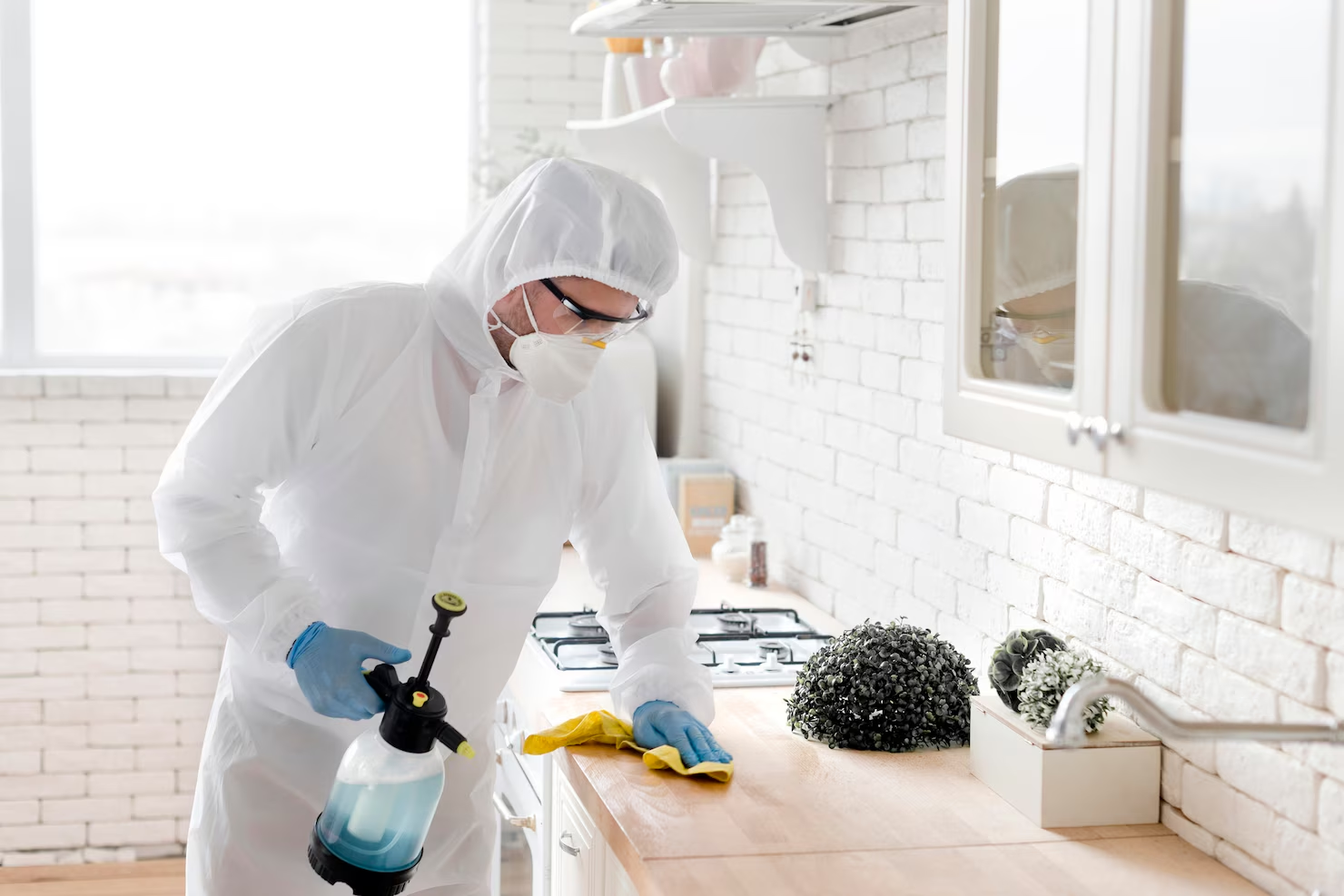
Ant invasions in the kitchen can turn a peaceful cooking space into a source of constant frustration. Discovering trails of tiny invaders marching across countertops or near the sink often prompts an urgent search for solutions. Learning how to get rid of ants effectively helps restore order while protecting your family and food from unwanted visitors.
This comprehensive guide explores practical strategies that deliver both fast results and long-term prevention. By understanding ant behavior and combining smart cleaning practices with proven techniques, you can reclaim your kitchen and minimize future problems. Whether dealing with a minor scout party or a larger colony, these methods focus on safe, reliable approaches suitable for most homes.
Many homeowners face this issue seasonally when ants seek food and water indoors. Addressing the root causes rather than just the visible ants leads to more permanent success when you want to get rid of ants for good.
Why Ants Keep Coming Back to Your Kitchen
Ants operate as highly organized teams, sending scout workers to locate resources before recruiting the rest of the colony. In kitchens, even tiny crumbs, grease splatters, or sugary residues act like beacons that attract these persistent foragers. Once a trail forms, hundreds more can follow the pheromone path within hours.
Different species show varying preferences. Some favor sweets while others target proteins or fats. Common kitchen varieties include odorous house ants and Argentine ants, which thrive near moisture sources like sinks and dishwashers. Understanding these patterns helps target efforts more effectively when you need to get rid of ants.
Environmental factors play a big role too. Warmer months increase activity as colonies expand and search for new resources. Leaks under sinks or poor sealing around pipes create ideal entry points and nesting spots. Ignoring these invitations practically guarantees repeated visits.
Taking time to observe patterns, such as where trails originate or what foods they prefer, provides valuable clues. This knowledge transforms reactive cleaning into a strategic defense that supports lasting results.
Identifying Entry Points and Sealing Your Kitchen
One of the most important steps when you want to get rid of ants involves cutting off their access routes. Inspect baseboards, windowsills, door frames, and areas around plumbing for gaps or cracks. Even hairline openings allow determined ants to slip through undetected.
Use caulk to seal cracks in walls or around pipes, and consider steel wool for larger holes before covering them. Weatherstripping around doors and windows adds another layer of protection. These physical barriers prevent new ants from entering while you deal with any existing colony.
Pay special attention to the space under cabinets and behind appliances where crumbs accumulate unnoticed. Pulling out the refrigerator or stove occasionally reveals hidden trails or nesting sites. Thorough inspection during this process often uncovers surprising entryways that explain persistent problems.
Maintaining these seals over time requires occasional checks, especially after storms or seasonal changes that might shift building materials. This proactive maintenance forms the foundation for permanent control when working to get rid of ants in the house kitchen.
For more home maintenance tips, explore our guide on seasonal home pest prevention.
Natural Cleaning Solutions That Disrupt Ant Trails
Vinegar stands out as a powerful ally in the fight against kitchen ants. A mixture of equal parts white vinegar and water not only cleans surfaces effectively but also erases the scent trails ants rely on for navigation. Wiping counters, floors, and baseboards with this solution removes both visible ants and their invisible highways.
Citrus-based cleaners offer similar benefits while leaving a fresh scent that many ant species dislike. Lemon juice mixed with water creates an inhospitable environment that discourages return visits. These natural options prove especially valuable in food preparation areas where stronger chemicals raise safety concerns.
Essential oils like peppermint, tea tree, or cinnamon provide additional repellent power. Diluting a few drops in water and spraying along entry points creates a barrier effect that lasts several days. Refreshing these applications regularly strengthens their effectiveness as part of your overall plan to get rid of ants.
Coffee grounds scattered near potential entryways can also deter foraging workers due to their strong aroma and texture. These household items transform routine cleaning into targeted pest management without introducing harsh toxins.
Creating Effective Baits for Colony Elimination
Surface sprays might handle visible ants quickly, but true long-term success requires reaching the hidden colony. Bait stations encourage worker ants to carry poisoned food back to the nest, where it eventually affects the queen and entire population. This indirect approach often achieves more permanent results than killing individuals on sight.
Simple homemade options using borax mixed with sweet substances like sugar water or honey attract many common kitchen species. The slow-acting nature allows ants to share the mixture before succumbing, maximizing impact on the colony. Placing these baits along active trails but away from high-traffic human areas balances effectiveness with safety.
Commercial baits offer convenient alternatives with pre-measured formulations designed for specific ant types. Following label instructions carefully ensures optimal performance while minimizing risks around food and children. Combining baits with thorough cleaning creates a comprehensive strategy that addresses both immediate and underlying issues.
Patience proves essential here. It may take several days to notice fewer ants as the colony gradually declines. This waiting period often tests resolve, but it leads to more complete elimination compared to quick-kill methods alone.
Using Physical and Mechanical Barriers
Diatomaceous earth provides a mechanical solution that dehydrates ants on contact without chemical residues. Sprinkling food-grade versions along baseboards and in hidden corners creates an abrasive barrier that damages their exoskeletons. This powder works particularly well in dry areas and maintains effectiveness as long as it stays undisturbed.
Boiling water poured directly into outdoor anthills near the foundation can reduce outdoor populations that feed indoor incursions. While not suitable for all situations, this technique offers an immediate reduction in colony size when applied carefully to accessible nests.
Maintaining extreme cleanliness forms perhaps the most important physical defense. Wiping surfaces after every meal, storing food in airtight containers, and taking out trash regularly removes the attractions that draw ants inside. These habits, combined with other methods, create an environment where ants find little reason to return.
For additional natural home solutions, read our article on eco-friendly cleaning routines that support pest prevention.
When to Consider Professional Help
While many infestations respond well to DIY approaches, certain situations benefit from expert intervention. Large colonies, carpenter ants that damage wood structures, or persistent problems despite consistent efforts may require professional assessment. Licensed exterminators can identify specific species and apply targeted treatments safely.
Before calling professionals, document the extent of the issue with photos and notes about locations and ant behavior. This information helps experts develop efficient solutions tailored to your home. Many services now emphasize integrated pest management that combines chemical and non-chemical methods for sustainable results.
Preventive treatments applied seasonally by professionals can provide peace of mind for those in areas with chronic ant pressure. Weighing the costs against potential damage from unchecked infestations often makes this investment worthwhile.
Long-Term Prevention Strategies for Ant-Free Kitchens
Sustainable success comes from creating conditions that discourage ant activity year-round. Regular deep cleaning schedules, prompt repair of leaks, and proper food storage form the backbone of prevention. Educating family members about these practices ensures everyone contributes to maintaining an ant-resistant environment.
Landscaping choices outside also influence indoor problems. Keeping vegetation trimmed away from the foundation and clearing debris reduces outdoor nesting sites. These external measures complement indoor efforts for comprehensive protection.
Staying vigilant during peak seasons allows early intervention before small scout groups become major invasions. Quick response to initial sightings often prevents the need for more intensive measures later.
Conclusion
Learning how to get rid of ants in the house kitchen quickly and permanently combines immediate action with thoughtful prevention. Through careful observation, smart cleaning, effective baits, and physical barriers, you can address both current problems and future risks. The key lies in consistency and addressing root causes rather than just symptoms.
Your kitchen deserves to remain a clean, welcoming space for preparing meals and gathering with loved ones. Implementing these strategies restores that comfort while building habits that protect your home long-term. With patience and the right approach, ant-free living becomes an achievable reality rather than a constant battle.
Take pride in creating a space where food preparation feels safe and enjoyable again. The effort invested in proper ant management pays dividends through reduced stress and a healthier home environment.
FAQs
What is the fastest way to get rid of ants in the kitchen?
A combination of vinegar cleaning to erase trails and placing effective baits near active paths typically shows results within a few days by targeting both visible ants and the colony.
Are natural methods effective for permanent ant control?
Yes, natural options like borax baits, diatomaceous earth, and essential oils can provide lasting results when combined with sealing entry points and maintaining cleanliness.
How do I prevent ants from returning after treatment?
Store all food in sealed containers, clean spills immediately, seal cracks around pipes and windows, and maintain regular deep cleaning routines to remove attractions.
Is borax safe to use around children and pets when getting rid of ants?
Borax baits should be placed in areas inaccessible to children and pets. Always follow safety guidelines and consider commercial enclosed bait stations for added protection.
When should I call a professional for ant problems?
Consider professional help if ants persist despite consistent DIY efforts, if you suspect carpenter ants damaging wood, or for large-scale infestations that risk structural issues.