
Introduction: The Dish That Has Everyone Asking “Where Is the Best Pasticho Venezuelan Lasagna Near Me?”
Some dishes travel well. Some dishes travel extraordinarily well — carrying with them the flavors, memories, and soul of an entire culture. Pasticho Venezuelan lasagna is one of those dishes. Rich, layered, deeply satisfying, and unmistakably tied to Venezuelan family life, pasticho has earned devoted fans far beyond South America’s northern coast.
If you have found yourself searching for the best pasticho Venezuelan lasagna near me, you are in excellent company. As Venezuelan communities have grown and flourished in cities across the United States, Europe, and beyond, so has the availability of this magnificent dish. But not every version you encounter will be the real thing — and understanding the difference matters deeply if you want the full experience.
This guide is built for food lovers who take their eating seriously. We will walk through the history of pasticho, break down exactly what makes it different from Italian lasagna, explain how to identify an exceptional version when you find one, and give you the tools to track it down in your city. By the time you finish reading, your next search for the best pasticho Venezuelan lasagna near me will be far more productive — and far more delicious.
What Is Pasticho? Understanding Venezuela’s Answer to Lasagna
The word pasticho is a Venezuelan adaptation of the Italian pasticcio — a baked pasta dish that arrived in Venezuela through waves of European immigration throughout the 19th and 20th century. Italy, Spain, and Portugal all left deep marks on Venezuelan cuisine, and nowhere is that influence more delicious than in this layered pasta masterpiece.
But calling pasticho Venezuelan lasagna, while accurate as a shorthand, slightly undersells how distinctly Venezuelan the dish has become. Over generations, Venezuelan cooks took the Italian structure — pasta sheets, meat sauce, cheese — and transformed it into something that reflects their own pantry, their own flavors, and their own understanding of what a celebration dish should taste like.
The result is a pasticho Venezuelan lasagna that is simultaneously familiar and surprising. Familiar because you recognize the format. Surprising because the flavors take you somewhere Italian lasagna never quite goes.
The Key Differences Between Pasticho and Italian Lasagna
The Meat Sauce: Carne Molida with Venezuelan Soul
In traditional Italian Bolognese, the meat sauce is slow-cooked with wine, milk, and a restrained hand with seasoning. Venezuelan pasticho takes a different path entirely. The meat sauce — typically called carne molida guisada — is seasoned with the foundational Venezuelan sofrito base known as hogao or guiso: a fragrant blend of onion, sweet bell peppers, garlic, tomato, and fresh cilantro. Sometimes green olives are added. Sometimes raisins appear, giving the filling unexpected sweet notes that balance the savory depth beautifully.
This is the flavor that makes pasticho Venezuelan lasagna instantly recognizable to anyone who grew up eating it in Caracas or Maracaibo. It is also the detail that separates a truly authentic version from a generic imitation.
The Béchamel: Generous, Creamy, Unapologetic
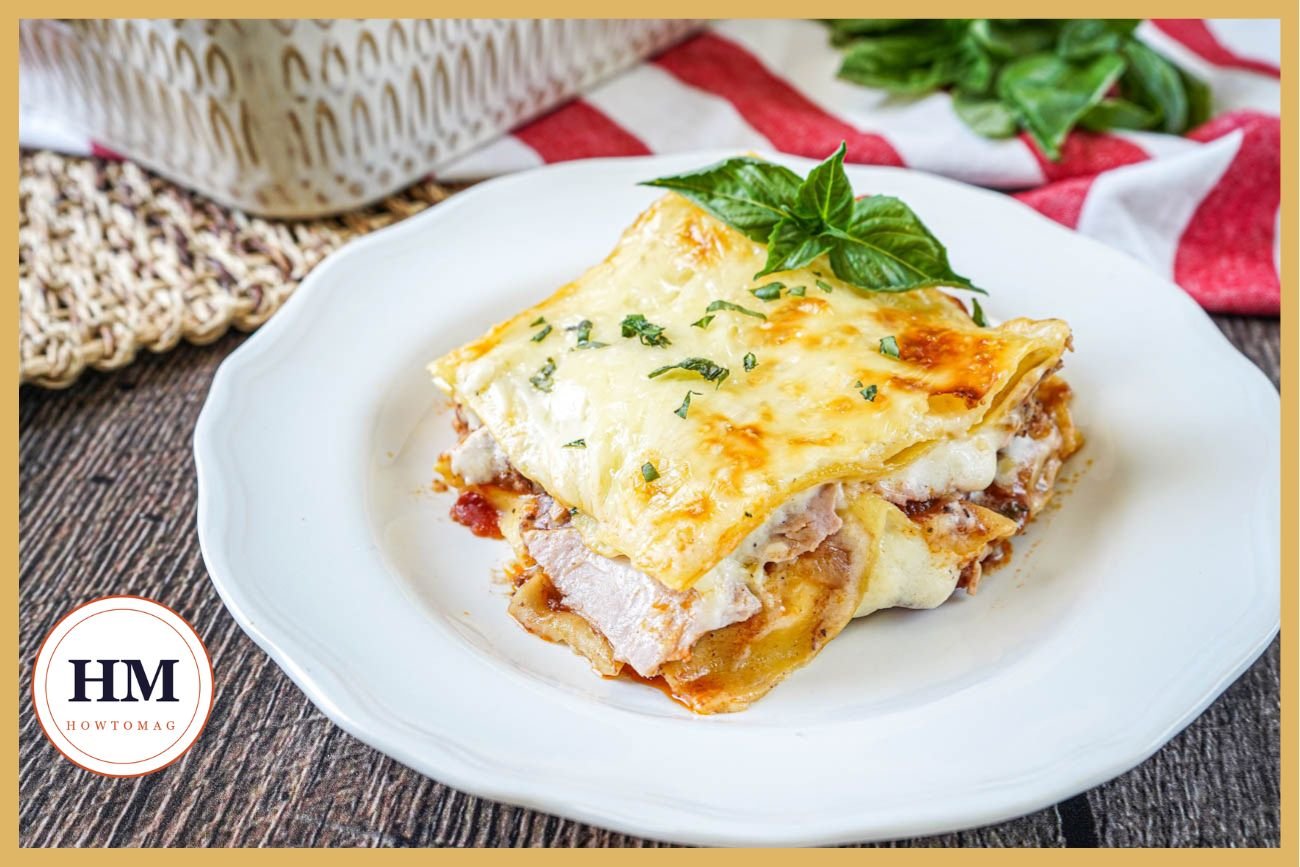
If Italian lasagna sometimes treats béchamel as one layer among equals, Venezuelan pasticho treats it like royalty. A proper pasticho has a thick, creamy, generously seasoned béchamel sauce layered throughout and mounded dramatically on top, where it browns in the oven into a golden, slightly caramelized crust. The ratio of béchamel to everything else is one of the most reliable markers of an authentic pasticho Venezuelan lasagna — if the white sauce feels restrained or thin, something has been lost in translation.
Ham and More: The Additional Layers
Many Venezuelan families add thin slices of cooked ham between their layers, a detail that adds a gentle saltiness and a different textural note. Some versions include hard-boiled eggs. Others incorporate mortadella or chicken in place of or alongside ground beef. The result is a dish with remarkable variation from household to household — which is part of what makes the search for the best pasticho Venezuelan lasagna near me such an interesting journey. No two versions are exactly alike.
The Cultural Weight of Pasticho in Venezuelan Life
To understand why people search so passionately for pasticho Venezuelan lasagna, you need to understand what this dish means in Venezuelan culture. Pasticho is not an everyday meal. It is a plato de fiesta — a celebration dish, a Sunday dish, a dish that appears at birthdays, Christmas dinners, quinceañeras, and family reunions.
For Venezuelans living abroad, pasticho carries enormous emotional weight. It tastes like home in a way that is difficult to overstate. For many Venezuelan immigrants, eating a well-made pasticho in their adopted country is an act of memory and identity as much as it is an act of nourishment. This is why Venezuelan restaurants and home cooks take such care with it — the stakes feel personal, not just culinary.
Understanding this context transforms how you approach your search for the best pasticho Venezuelan lasagna near me. You are not just looking for a good pasta dish. You are looking for a piece of Venezuelan family life served on a plate.
How to Find the Best Pasticho Venezuelan Lasagna Near Me
Venezuelan Restaurants and Areperas
The most direct path to an excellent pasticho is a dedicated Venezuelan restaurant. Look specifically for restaurants whose menus include Venezuelan staples like arepas, pabellón criollo, cachapas, and tequeños alongside their pasticho. A kitchen that takes the broader Venezuelan canon seriously will almost certainly take its pasticho seriously too.
Areperas — restaurants built around Venezuela’s beloved cornmeal flatbreads — sometimes also serve pasticho as a weekend special or a rotating feature. It is absolutely worth calling ahead or checking social media pages to see whether pasticho is on the menu on any given day, as some establishments make it only on weekends when the labor-intensive preparation fits the schedule.
Latin American Restaurants with Venezuelan Roots
In cities without a dedicated Venezuelan restaurant, look for Latin American restaurants that advertise Venezuelan-style cooking or have Venezuelan chefs. Chefs who grew up making pasticho in Venezuelan households carry the recipe in their muscle memory in a way that cannot be fully replicated by following a written formula. A restaurant run by Venezuelan immigrants or first-generation Venezuelan-Americans is your strongest signal of quality.
Community Events and Home-Based Vendors
Venezuelan community organizations, cultural festivals, and diaspora networks are often the hidden gold mines for finding exceptional pasticho Venezuelan lasagna. In many cities, Venezuelan home cooks sell their food through community networks, social media pages, or weekend pop-up events. These vendors are frequently making the dish exactly as their mothers or grandmothers taught them — which means you are tasting a deeply personal and often extraordinary version of the recipe.
Search for Venezuelan food groups on social media platforms in your city. Many of these communities actively post about where to find traditional dishes, and pasticho tends to come up frequently.
Using Review Platforms Intelligently
When searching online review platforms for the best pasticho Venezuelan lasagna near me, go beyond the star rating. Look for reviews that mention specific details: the thickness of the béchamel, the seasoning of the meat sauce, the texture of the pasta. A reviewer who describes the dish as tasting “just like my grandmother made it” is giving you infinitely more useful information than a generic “delicious food, great service” comment.
Also pay attention to photos in reviews. A properly made pasticho should show distinct, generous layers, a thick golden-brown top of béchamel, and a cross-section that holds its shape when sliced. If the restaurant’s pasticho looks like it could hold together in a clean slice, that is a strong sign of good technique and proper resting time after baking.
What Separates a Good Pasticho from a Great One
The Pasta: Al Dente Is Non-Negotiable
Great pasticho Venezuelan lasagna uses pasta that is cooked just to the point of al dente before layering, so that it finishes cooking in the oven without becoming soft or gluey. Some Venezuelan cooks use fresh pasta sheets; others use dried lasagna noodles pre-cooked carefully. Either approach can produce excellent results, but overcooked pasta is an irreversible flaw that no amount of great sauce can overcome.
Resting Time After Baking
One of the most overlooked aspects of a perfect pasticho is what happens after it comes out of the oven. A well-made pasticho needs to rest for at least 15 to 20 minutes before being sliced. This resting period allows the layers to set so that each slice comes out clean and structured rather than collapsing into a saucy mess. Restaurants that rush this step produce a pasticho that tastes fine but looks nothing like the real thing.
The Cheese Factor
Traditional Venezuelan pasticho uses cheeses that melt beautifully and complement rather than dominate the other flavors. Mozzarella is common, often combined with Parmesan for depth. Some cooks use queso blanco or other Latin cheeses that bring a milder, creamier character to the dish. The cheese should be present in every layer and visibly golden on top — not sparse, not overwhelming, but abundantly present in the way that only a truly generous cook manages.
The Nutritional Reality of Pasticho Venezuelan Lasagna
Pasticho is not a dish that makes nutritional claims. It is a celebration food, and it earns that status by being unapologetically rich, filling, and indulgent. A standard serving delivers substantial protein from the meat and cheese, carbohydrates from the pasta, and fats from the béchamel and cheese layers.
For anyone curious about the broader nutritional profile of dishes like this, the USDA FoodData Central database offers detailed breakdowns of comparable layered pasta dishes that can give a useful reference point. The important thing to understand is that pasticho is best eaten in the spirit in which it was made — as a joyful, communal, celebratory meal, not a guilt-laden indulgence.
Venezuelan cuisine as a whole draws heavily from the diverse ecosystems of a country rich in agricultural variety, as documented by culinary historians exploring the food traditions of Latin America. Pasticho sits within that broader tradition of feeding people abundantly and lovingly.
Making Pasticho Venezuelan Lasagna at Home
When the search for the best pasticho Venezuelan lasagna near me comes up empty — or when you simply want the satisfaction of making it yourself — the home kitchen is entirely up to the task. The process takes time but is well within reach of any cook with patience and decent knife skills.
Start by making your carne molida guisada: brown ground beef thoroughly, then add a sofrito of onions, sweet peppers, garlic, and tomatoes, seasoning generously with salt, cumin, and fresh cilantro. Let it simmer until the flavors meld and the sauce tightens. Meanwhile, make a smooth, properly seasoned béchamel — butter, flour, warm milk, nutmeg, salt, and white pepper, stirred patiently until thick and creamy.
Cook your pasta sheets just shy of done, then layer in a deep baking dish: pasta, meat sauce, béchamel, cheese, ham if using, and repeat. Finish with a thick, generous layer of béchamel and a heavy hand with the cheese. Bake covered for 30 minutes, then uncovered until the top is deeply golden. Rest before slicing.
Once you have made pasticho Venezuelan lasagna at home, your appreciation for a great restaurant version will deepen considerably — and so will your standards.
Conclusion: Keep Searching — the Best Pasticho Venezuelan Lasagna Near Me Is Worth Finding
The search for exceptional pasticho Venezuelan lasagna is one of the most rewarding food quests you can undertake in any city with a Venezuelan community. This is a dish built on history, immigration, family pride, and centuries of culinary evolution. Every layer tells a story: Italian influence filtered through Venezuelan hands, European technique transformed by Caribbean flavors, celebration food that carries the weight of home for anyone who grew up eating it.
When you find a truly great pasticho Venezuelan lasagna near you — with its generous béchamel crown, its fragrant spiced meat filling, its perfectly structured layers — take a moment to appreciate what you are actually eating. You are tasting one of the great layered pasta dishes of the Americas, made with love and carried across oceans by people who refused to leave their best recipes behind.
The search is worth every step. The best pasticho Venezuelan lasagna near me exists in your city — and now you have everything you need to find it.
Frequently Asked Questions
Q1: What is the difference between pasticho and regular lasagna?
Pasticho Venezuelan lasagna differs from Italian lasagna primarily in its meat sauce, béchamel ratio, and additional fillings. The meat sauce uses a Venezuelan sofrito base with sweet peppers, cilantro, and sometimes olives or raisins, giving it a distinctly Latin American flavor profile. Venezuelan pasticho also uses a much more generous béchamel sauce and often includes layers of ham alongside the ground beef. The overall result is richer, slightly sweeter, and more complex in flavor than a traditional Italian Bolognese lasagna.
Q2: Is pasticho gluten-free or available in dietary variations?
Traditional pasticho is not gluten-free, as it is made with wheat-based pasta sheets and a béchamel sauce thickened with flour. However, many Venezuelan home cooks and some restaurants now offer gluten-free adaptations using rice-based or corn-based pasta and gluten-free flour for the béchamel. It is always worth asking a restaurant directly about dietary accommodations, as Venezuelan cuisine is increasingly adapting to modern dietary needs.
Q3: How do I know if a restaurant’s pasticho is authentic?
Look for generous béchamel coverage (especially a thick, golden-browned top layer), a well-seasoned meat sauce that smells of bell pepper and cilantro, and a pasticho that holds its shape cleanly when sliced. Authentic versions also typically include ham layers and are available primarily on weekends or as a special, reflecting the labor-intensive nature of proper preparation. Reviews that mention the dish tasting “like home” from Venezuelan customers are your most reliable quality signal.
Q4: Can pasticho be made ahead of time?
Yes — and many Venezuelan cooks argue it actually tastes better the next day, once the layers have fully set and the flavors have had time to deepen. Pasticho can be assembled, refrigerated unbaked for up to 24 hours, and then baked when needed. Fully baked pasticho also reheats beautifully in the oven at a low temperature, covered with foil to prevent drying out. This make-ahead quality is part of why it became a go-to celebration dish for large family gatherings.
Q5: What are the best dishes to eat alongside pasticho Venezuelan lasagna?
Pasticho is typically served as the centerpiece of a meal, accompanied by a simple green salad dressed lightly with vinegar and olive oil. Some Venezuelan families serve it alongside pernil (slow-roasted pork) at large celebrations. Pan de jamón — a Venezuelan Christmas bread filled with ham, olives, and raisins — is another traditional accompaniment during the holiday season. A cold glass of papelón con limón (a Venezuelan drink made from raw cane sugar and lime juice) or a light red wine pairs beautifully with the richness of the dish.