
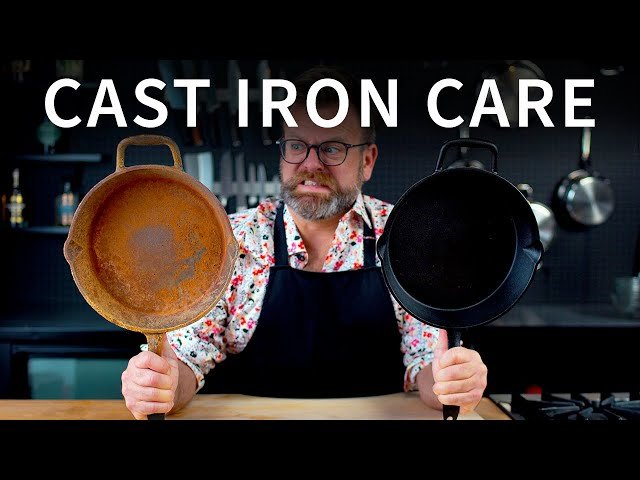
Do Not Throw Away That Rusty Pan
You open your kitchen cabinet and find it — that once-beloved skillet sitting in the back corner, spotted with rust and looking like it has seen better days. Before you decide it is beyond saving, here is a truth every experienced home cook and professional chef knows: a rusty cast iron pan is almost never a lost cause.
Unlike modern non-stick cookware that scratches, chips, or loses its coating permanently, cast iron is one of the most forgiving and durable materials ever used in a kitchen. Even a pan that looks completely overtaken by rust can be brought back to a beautiful, slick, cooking-ready surface. The process of how to remove rust from cast iron is simpler than most people expect, and once you know it, you will never be intimidated by a little surface oxidation again.
This guide walks you through everything you need to know — from understanding why rust forms on cast iron to the exact steps for how to get rust off cast iron safely and effectively, all the way to how to prevent it from coming back. Think of this as your complete cast iron rescue manual.
Why Does Cast Iron Rust in the First Place?
Understanding the problem is the first step to solving it. Cast iron is made almost entirely of iron, with very little in the way of corrosion-resistant alloys like you would find in stainless steel. Iron has a natural tendency to oxidize when exposed to moisture and oxygen, which is the chemical process that produces rust.
In practical kitchen terms, this means that leaving your pan wet after washing, storing it in a humid environment, or skipping the drying step after cleaning are the most common culprits. Even a thin film of water sitting on the surface overnight can begin the rusting process.
The good news is that rust on cast iron is almost always a surface issue. The iron beneath is almost certainly sound, and with the right approach to removing and treating it, your pan can emerge from the process in better condition than it was before. Knowing how to clean rusty cast iron is a skill that pays dividends for a lifetime of cooking.
What You Need Before You Start
Before diving into the process of how to remove rust from cast iron, it helps to gather your materials. You likely already have everything at home, which is part of what makes this restoration process so accessible.
You will need coarse salt or steel wool for scrubbing, dish soap for an initial wash, white vinegar for stubborn rust, a dry cloth or paper towels, and cooking oil with a high smoke point such as vegetable oil, flaxseed oil, or shortening. That is genuinely all it takes to restore your cast iron skillet or Dutch oven to working condition.
How to Remove Rust from Cast Iron: The Step-by-Step Approach
Start with a Good Scrub
The first thing you want to do when tackling rusty cast iron is give it an honest scrub. This is one of the rare situations where using soap on cast iron is perfectly acceptable, because you are going to re-season the pan afterward anyway.
Use warm water, a small amount of dish soap, and a piece of steel wool or a stiff brush. Scrub the entire surface of the pan with firm, circular motions, focusing especially on the rusted areas. Do not be shy about applying pressure here. The goal is to physically lift and dislodge as much rust as possible before moving on to deeper treatment.
Rinse the pan thoroughly and take a look at what you are dealing with. Light rust will often be gone at this stage, and you can move directly to drying and re-seasoning. If significant rust remains, move on to the vinegar method described below.
The Vinegar Soak Method for Stubborn Rust
For heavier rust, the most effective approach is a white vinegar soak. White vinegar is mildly acidic, and that acidity dissolves iron oxide — which is exactly what rust is — without damaging the underlying cast iron metal.
Mix equal parts white vinegar and water in a container large enough to submerge the pan. Place the pan in the solution and let it soak. Here is where experience matters: do not walk away and forget about it. Vinegar works quickly and aggressively on cast iron, and soaking for too long can actually start to pit the surface of the pan.
Check the pan every 30 minutes. For most cases of rust, a soak of one to four hours is sufficient. You will notice the rust beginning to loosen and flake off. Once the vinegar has done its work, remove the pan from the soak and scrub it again with steel wool to remove all loosened rust. Rinse thoroughly with warm water.
Dry It Completely — and We Mean Completely
This step is non-negotiable when you are working to remove rust from cast iron. Any moisture left on the surface will immediately begin the rusting process all over again, undoing all your hard work.
After rinsing, dry the pan immediately with a clean cloth or paper towels. Then place it on the stovetop over low to medium heat for several minutes. The heat will evaporate any remaining moisture from the pores of the cast iron, ensuring the surface is completely dry before you move on to seasoning.
You will know it is ready when the pan is warm to the touch and looks uniformly dull and dry across the surface. Do not skip this heating step — it makes a genuine difference.
How to Re-Season Cast Iron After Rust Removal
Why Seasoning Matters So Much
Seasoning is the layer of polymerized oil that protects cast iron from moisture, creates a natural non-stick surface, and gives older pans their characteristic dark, almost black finish. When you have been working to remove rust from cast iron, you inevitably strip away some or all of that seasoning in the process. Restoring it is essential.
According to Lodge Cast Iron, one of the most trusted manufacturers of cast iron cookware in the United States, the seasoning process involves applying a thin layer of oil to the entire pan and baking it at high temperature to allow that oil to bond permanently with the surface.
The Seasoning Process
With your pan completely dry and still warm from the stovetop, apply a very thin layer of your chosen cooking oil across the entire surface — inside, outside, and the handle. Use a cloth or paper towel to work the oil in and then wipe away any excess. The layer should be so thin it barely looks like anything is there. Too much oil leads to a sticky finish rather than a hard, protective layer.
Place the pan upside down in your oven on the center rack, with a sheet of aluminum foil on the rack below to catch any drips. Bake at 450 to 500 degrees Fahrenheit for one hour. Then turn off the oven and allow the cast iron to cool completely inside before removing it.
This single session of seasoning will significantly improve the surface of your pan. For a pan that had heavy rust, repeating this process two or three times before cooking with it will build up a stronger, more protective layer.
Preventing Rust from Returning
The Habits That Keep Cast Iron in Perfect Shape
Knowing how to get rust off cast iron is valuable knowledge, but developing the habits that prevent rust from forming in the first place is even more important. The maintenance routine for cast iron is not complicated — it just requires consistency.
Always dry your cast iron thoroughly after every wash. Never let it air dry or sit in water. After drying, apply a tiny amount of oil to the surface and wipe it in before storing. Store the pan in a dry location, and if stacking pans, place a paper towel between them to absorb any ambient moisture.
Avoid soaking cast iron in water, using the dishwasher, or leaving acidic foods sitting in the pan for long periods. Tomatoes, citrus, and vinegar-based sauces can break down the seasoning layer if left in contact with the surface for extended cooking or storage.
Cooking with Cast Iron Helps Too
Interestingly, regular cooking is one of the best things you can do for your pan. Every time you cook with oil in your cast iron skillet, you are adding micro-layers of seasoning. A well-used cast iron pan that gets cooked in weekly and properly dried after each use will naturally build up a remarkable protective surface over time.
This is why antique cast iron pans that have been in continuous use for decades often have the most flawless and durable surfaces imaginable. The seasoning on those pans was built up meal by meal, year by year.
Special Situations: When the Rust Is Extremely Severe
Electrolysis for Deep Rust Restoration
In cases where rust has truly taken over a pan — covering the entire surface, caked on thickly, or embedded in pitted areas — the vinegar and scrubbing approach may not be enough. In these extreme situations, a process called electrolysis can be used to how to clean rusty cast iron at a deeper level.
Electrolysis uses a low-voltage electrical current passed through a solution of washing soda and water to chemically convert rust back into iron. It is a more advanced process that requires basic supplies including a battery charger, a sacrificial piece of steel, and a plastic container, but it is remarkably effective on even the most badly deteriorated cast iron pieces.
The Cast Iron Collector provides detailed guidance on setting up an electrolysis tank for cast iron restoration and is considered one of the most authoritative resources for serious cast iron enthusiasts and collectors.
When to Call It Quits
Truly, there are very few situations where a cast iron pan cannot be saved. Cracks, warping from extreme heat, or pieces so thin and eaten through by rust that the iron itself is compromised are the main exceptions. Surface rust, even when it looks dramatic, is almost always treatable.
Cast Iron vs. Other Cookware: Why It Is Worth the Effort
You might wonder whether all of this effort to remove rust from cast iron is really worth it when modern cookware is so widely available. The answer, for anyone who has cooked seriously in both, is a resounding yes.
Cast iron retains heat better than virtually any other cookware material. It can go from stovetop to oven without any concern. It adds trace amounts of dietary iron to food, which is a genuine nutritional benefit. And with proper care, a cast iron pan can last not just a lifetime but generations, becoming an heirloom passed down through families. According to Serious Eats, well-maintained cast iron offers cooking performance that rivals far more expensive modern cookware.
That kind of long-term value is impossible to find in a non-stick pan that needs replacing every few years. The effort to restore and maintain your cast iron is an investment that keeps paying back with every single meal you cook.
Conclusion: Your Cast Iron Deserves a Second Chance
Rust is not a death sentence for your favorite skillet. As you now know, the process of how to clean a cast iron pan rust is entirely manageable with basic household supplies and a bit of patience. Whether you are dealing with light surface spots or a pan that has been sitting forgotten in a garage for years, the steps are the same: scrub, soak if necessary, dry completely, and re-season.
Cast iron has survived centuries of use precisely because it is tough enough to be restored and returned to service time and time again. Every pan you rescue from rust is a small victory against the throwaway culture of modern consumerism, and every seasoned surface you build is a foundation for years of great cooking ahead.
So do not let that rusty pan intimidate you. Roll up your sleeves, gather your supplies, and give your cast iron the second chance it deserves. You will be rewarded with one of the finest cooking tools available — and a genuine sense of satisfaction in knowing you brought it back yourself.
Frequently Asked Questions About Removing Rust from Cast Iron
Q1: Is it safe to cook in a cast iron pan that has rust on it?
Small amounts of surface rust on cast iron are generally not dangerous, and ingesting tiny rust particles is not considered harmful to healthy adults according to most food safety guidelines. However, a heavily rusted pan will affect the flavor of your food and may indicate that the seasoning has been fully compromised. It is always best to remove rust from cast iron and re-season the pan properly before cooking in it again.
Q2: How long should I soak cast iron in vinegar to remove rust?
The right soak time depends on how severe the rust is, but as a general rule you should check the pan every 30 minutes and remove it from the vinegar solution as soon as the rust has loosened enough to be scrubbed away. Most pans respond well within one to four hours. Leaving cast iron in vinegar for longer than eight hours risks pitting the surface of the metal, so never walk away and forget about a soaking pan.
Q3: Can I use steel wool to clean a cast iron pan without damaging it?
Yes, steel wool is safe to use on cast iron, especially when you are specifically trying to remove rust. Because cast iron is so dense and thick, steel wool will remove rust and old, flaking seasoning without scratching the underlying metal. After scrubbing with steel wool to address rust, always follow up with drying and re-seasoning to restore the protective layer.
Q4: How do I know if my cast iron pan is too far gone to save?
The main signs that a cast iron pan may be beyond saving are visible cracks running through the metal, severe warping that makes the pan rock on a flat surface, or areas where rust has eaten completely through the iron leaving holes or extremely thin spots. Surface rust, no matter how widespread or dramatic it looks, is almost always treatable. If the pan is structurally sound, it can almost certainly be restored.
Q5: How often should I re-season my cast iron pan to prevent rust?
There is no single answer, because it depends on how frequently you cook with your pan and how you maintain it. A pan that is used regularly and dried and lightly oiled after each use may only need a full oven seasoning session once or twice a year. A pan that sees heavier use, more acidic foods, or more vigorous scrubbing may benefit from re-seasoning every few months. Watch for signs like food beginning to stick more than usual, a dull gray surface, or the appearance of dry patches, as these indicate the seasoning needs refreshing.